June 27, 2026
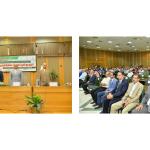
As part of the implementation of Egypt's National Population and Development Strategy, the Emergency Action Plan, and the Presidential Initiative "The Golden 1,000 Days for the Development of the Egyptian Family," Assiut University organized, on Saturday, June 27, an awareness workshop at the Family Medicine Center in El-Hawatka Village entitled "A Healthy Family... A Better Future." The event was held under the patronage of Professor Ahmed El-Minshawy, President of Assiut University, and under the supervision of Professor Mohamed Adawy, Vice President for Community Service and Environmental Development, and Professor Rehab El-Dakhly, Media Advisor to the University President and the University's Media Coordinator for the Presidential Initiative.
The workshop was organized as part of the activities of Assiut University's comprehensive development convoy, which was launched the same day to El-Hawatka Village under the supervision of Professor Mohamed Abdel Baset Mohamed Darwish, Vice Dean of the Faculty of Specific Education for Community Service and Environmental Development and General Coordinator of the University's development convoys, and Professor Mohamed Mostafa Hamad, Professor at the Faculty of Education and Supervisor of the Community Service and Environmental Development Sector's Convoy Impact Assessment Committee.
The awareness sessions were delivered by Professor Marzouka Abdel Aziz Gadallah, Professor of Pediatric Nursing at the Faculty of Nursing; Professor Naglaa Ahmed Ahmed, Assistant Professor of Critical Care and Emergency Nursing at the Faculty of Nursing; and Dr. Nora Okasha from the University's Media Administration.
The workshop aimed to raise awareness among women and rural mothers about the importance of maternal and child care during the first 1,000 days of a child's life. Activities included interactive awareness sessions, educational videos, and open discussions covering breastfeeding, family planning, and proper nutrition, thereby promoting positive health practices and supporting the objectives of the Presidential Initiative.
Professor Ahmed El-Minshawy affirmed that Assiut University remains committed to supporting the State's efforts to implement the National Population and Development Strategy. He praised the fruitful cooperation with the Ministry of Health and Population and highlighted the Presidential Initiative, "The Golden 1,000 Days for the Development of the Egyptian Family," for its comprehensive programs aimed at improving family health and enhancing Egypt's population characteristics.
The University President added that the initiative is built upon several key pillars, including strengthening family counseling services, promoting healthy birth spacing, encouraging natural childbirth, and improving neonatal intensive care and newborn healthcare services, all of which contribute to enhancing quality of life and reducing mortality rates.
For his part, Professor Mohamed Adawy emphasized that the success of the initiative depends on effective collaboration among all sectors. He explained that the Community Service and Environmental Development Sector continues to implement awareness campaigns and strengthen community partnerships, alongside the contributions of the University's faculties and its medical, nursing, and media professionals in delivering evidence-based health messages in a simple and accessible manner to all segments of society.
Professor Rehab El-Dakhly, the University's Media Coordinator for the initiative, stated that the workshop reflects the University's commitment to supporting the Presidential Initiative "The Golden 1,000 Days for the Development of the Egyptian Family" and promoting health awareness among women and mothers, particularly in rural communities, through simple and interactive educational approaches that help reinforce essential health messages.
She explained that the workshop focused on women's health as the cornerstone of family well-being and highlighted the significance of the first 1,000 days of a child's life—from pregnancy through the child's second birthday—as the most critical stage for physical, cognitive, and psychological development. The sessions also emphasized the importance of breastfeeding, healthy birth spacing, family planning, proper maternal and child nutrition, regular prenatal care, and adherence to childhood vaccination schedules.
Professor Rehab El-Dakhly further noted that the workshop featured small-group interactive discussions, educational videos, and participatory activities, while providing participants with opportunities to ask questions, address common misconceptions, and receive practical guidance. These efforts contribute to strengthening health awareness, promoting positive behavioral change, and advancing the initiative's goal of reaching families in villages and underserved communities.