

– Measuring Students' Sustainability Literacy
Assiut University – International Ranking Office, Center for Sustainable Development, and Faculty of Education
Question 17.4.4 Does your university as a body measure the sustainability literacy of students? |
Answer: YES | Assiut University measures and evaluates its students' sustainability literacy, meaning their ability to learn, retain and apply key sustainability concepts. It uses a university-wide SDG knowledge questionnaire, a field study of sustainable development values among 1,701 students, assessment within sustainability-embedded courses, tracking of student participation in SDG activities, and follow-up evaluations by the Center for Sustainable Development. |
5 measurement mechanisms for sustainability literacy | 1,701 students surveyed on sustainable development values | 5 value dimensions rated positive (0.75–0.79) | 1,341 sustainability courses where mastery is assessed |
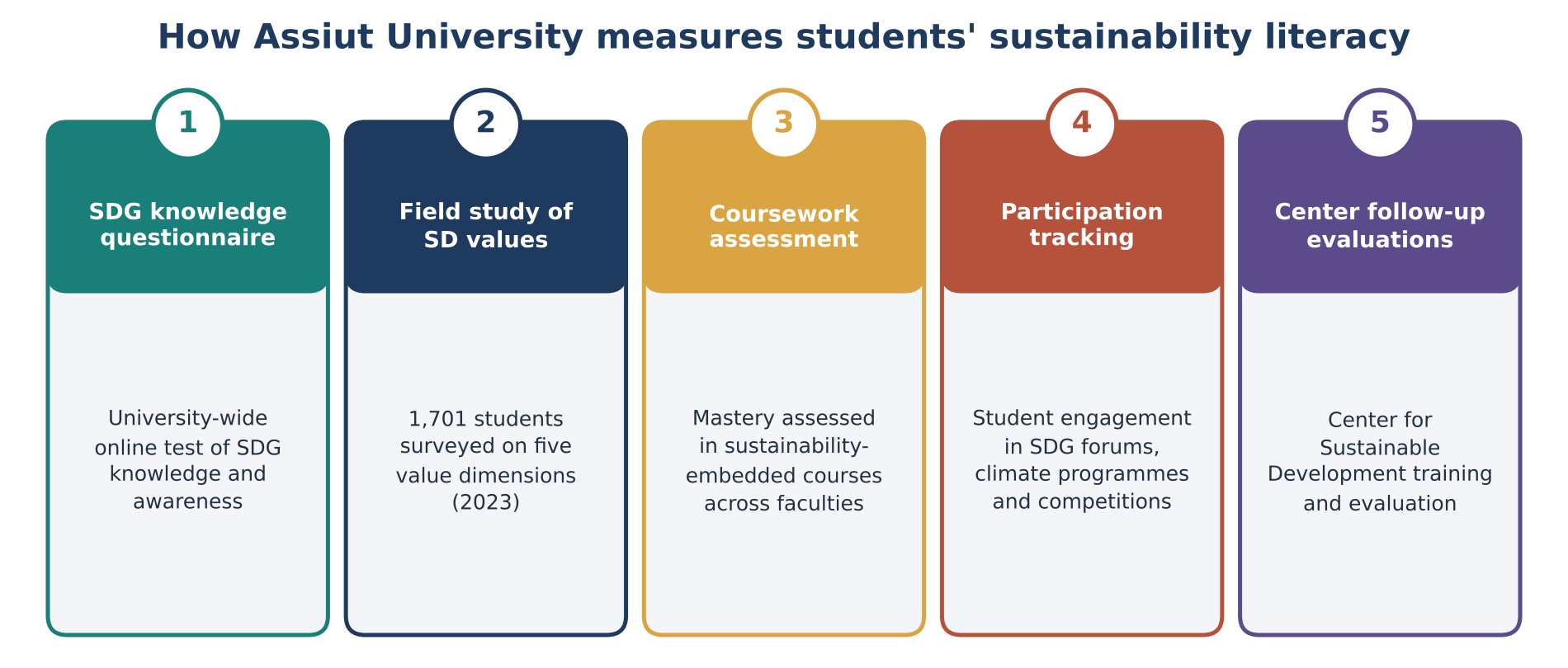
Figure 1. Five mechanisms the university uses to measure sustainability literacy
1. University-wide SDG knowledge questionnaire
The university runs an online questionnaire for its members to assess their knowledge and awareness of the SDGs. It has three parts:
- Knowledge of the SDGs: how many SDGs there are, when they were adopted, which organisation set them, what SDG 4 is, and which ranking measures universities' contribution to the SDGs.
- Awareness of the university's SDG work: whether respondents know that Assiut University has an active SDG policy, and whether they have heard of or attended an SDG seminar or workshop at the university.
- Respondent profile: faculty (22 faculties and institutes), academic status, university and age, so results can be compared across faculties and groups.
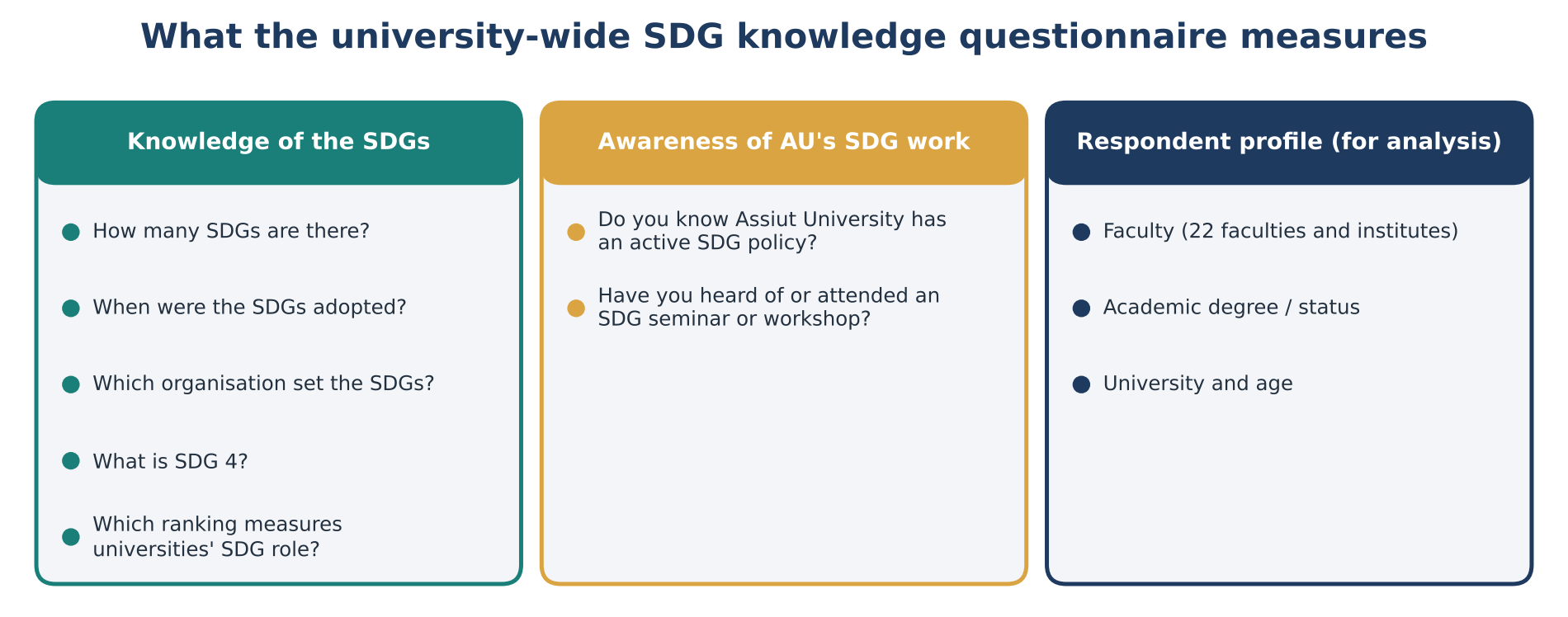
Figure 2. Structure of the SDG knowledge questionnaire
2. Field study of students' sustainable development values
A field study by the Department of Educational Foundations, Faculty of Education, measured the university's role in developing sustainable development values among its students. An electronic questionnaire was given to 1,701 Assiut University students. The study found that the university plays a positive role in developing these values. All five dimensions were rated positive:
- technological values: 0.79 (ranked first)
- social values: 0.78
- environmental values: 0.77
- economic values: 0.76
- political values: 0.75
Based on the results, the authors proposed a vision, with objectives, procedures and implementation mechanisms, to strengthen the university's role. The study was published in the Fayoum University Journal of Educational and Psychological Sciences (Vol. 17, Issue 11, September 2023).
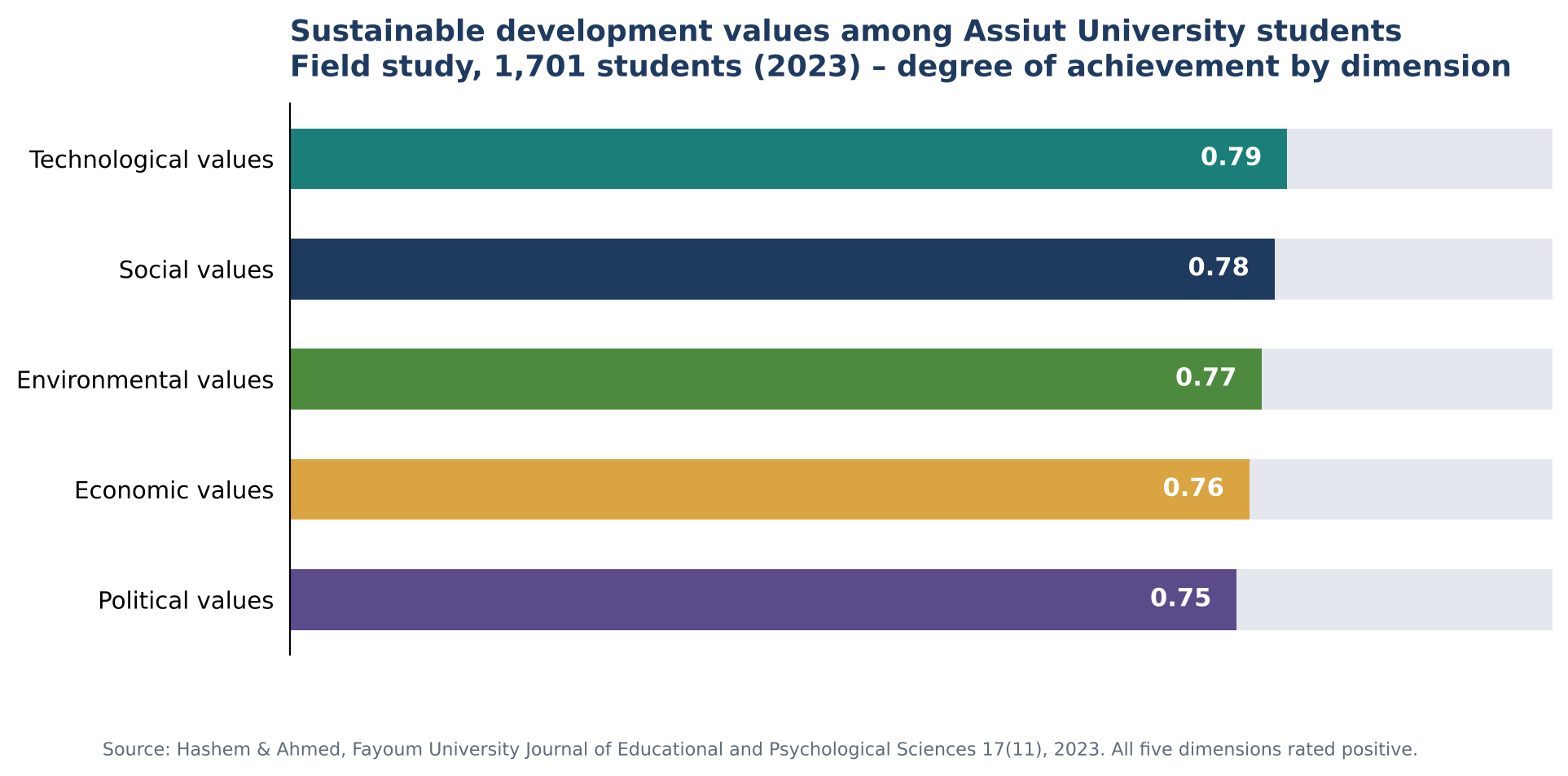
Figure 3. Sustainable development values among 1,701 students, by dimension
3. Assessment within sustainability-embedded courses
Through the Curriculum Refresh Programme, sustainability is integrated into the university's courses, and students' mastery of sustainability principles is assessed as part of their coursework. In 2025–2026 this covers 344 undergraduate courses in 13 faculties and 997 graduate courses, so sustainability literacy is assessed in each student's own discipline, for example in Environmental Health Basics (Medicine), Environmental Economics (Commerce), Legal Protection of Air and Water (Law) and Education for Sustainable Development (Education).
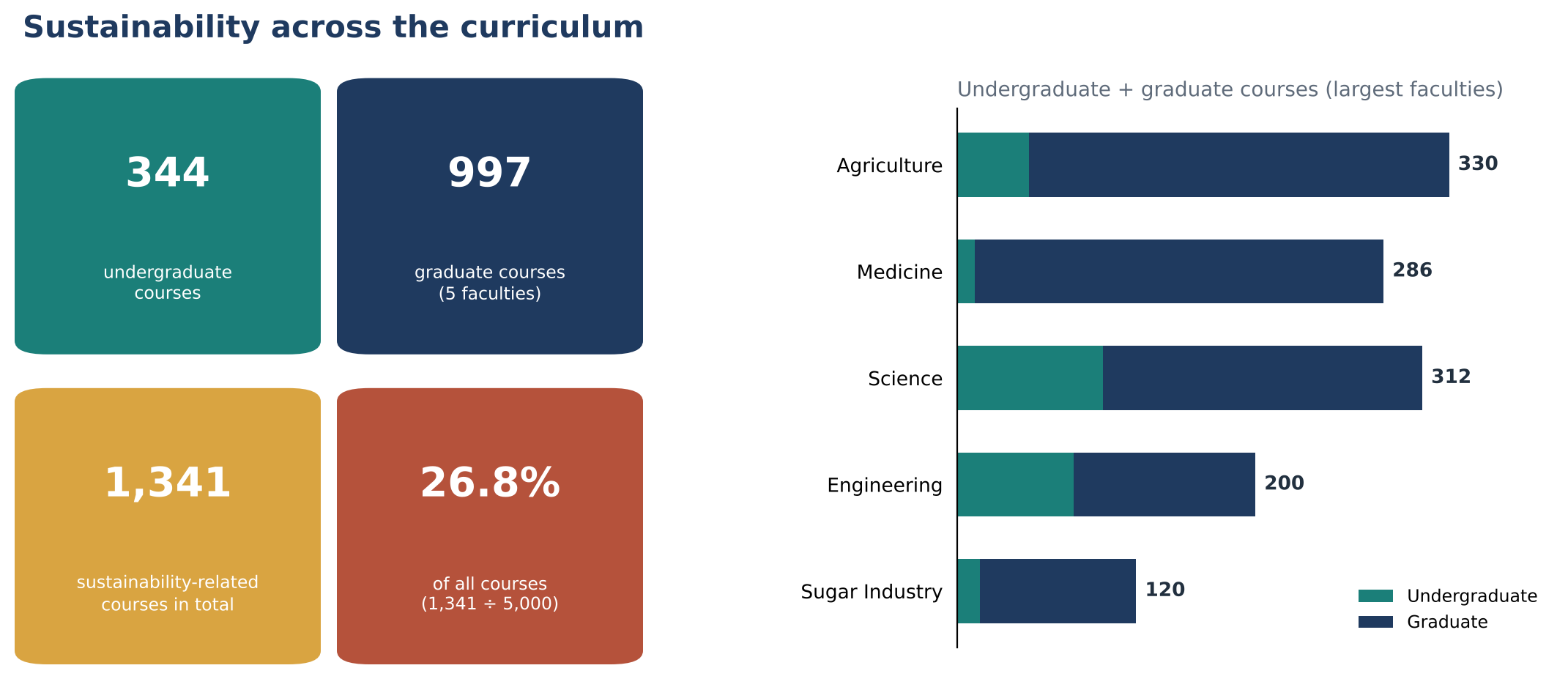
Figure 4. Sustainability-embedded courses where mastery is assessed
4. Tracking student participation in SDG activities
The university records students' engagement in environmental and SDG activities as a practical measure of their sustainability literacy and behaviour:
- youth forums, climate change awareness programmes and the Green Future Forum
- about 151 sustainability-related events a year (144 in 2023, 158 in 2024, 150 in 2025)
- results in external competitions: two “Green University” student teams won second and fourth place at Climathon Upper Egypt (October 2023), organised by the Ministry of Environment with the EU and GIZ
- 26 sustainability-related start-up projects, which show students applying sustainability concepts to real problems
5. Follow-up evaluation by the Center for Sustainable Development
The Assiut University Center for Sustainable Development, part of the Community Service and Environmental Development Sector, runs awareness initiatives, training programmes and student forums across faculties, and follows them with evaluations. Its 2025 plan includes training courses and student programmes on the SDGs and Egypt Vision 2030, the green economy, and environmental, economic and social awareness. The seminar “The University: A Driver of Sustainable Development” (9 November 2025) explained the 17 SDGs to deans, staff and students.
Summary of measurement mechanisms
Mechanism | What it measures | How | Coverage |
SDG knowledge questionnaire | Knowledge of the SDGs and awareness of the university's SDG policy and events | Online questionnaire with knowledge items and profile fields for analysis by faculty | University-wide, 22 faculties and institutes |
Field study of sustainable development values | Technological, social, environmental, economic and political values | Electronic questionnaire; descriptive analysis | 1,701 students (2023) |
Coursework assessment | Mastery of sustainability principles in each discipline | Assessment within sustainability-embedded courses | 1,341 courses (2025–2026) |
Participation tracking | Applying sustainability knowledge in practice | Records of student participation in SDG forums, climate programmes, competitions and start-ups | About 151 events a year; 26 start-ups |
Center for Sustainable Development | Awareness and skills gained from SDG training | Follow-up evaluations of initiatives, training and student forums | Across faculties |
Evidence links
- 17.4.4 evidence page
- SDG knowledge questionnaire
- Field study of 1,701 students (2023)
- Student participation in environmental activities and the SDGs
- Courses related to the environment and sustainability
- Assiut University Center for Sustainable Development
- Center for Sustainable Development training plan (Mar 2025)