Does your university provide public access to libraries, including books and publications?
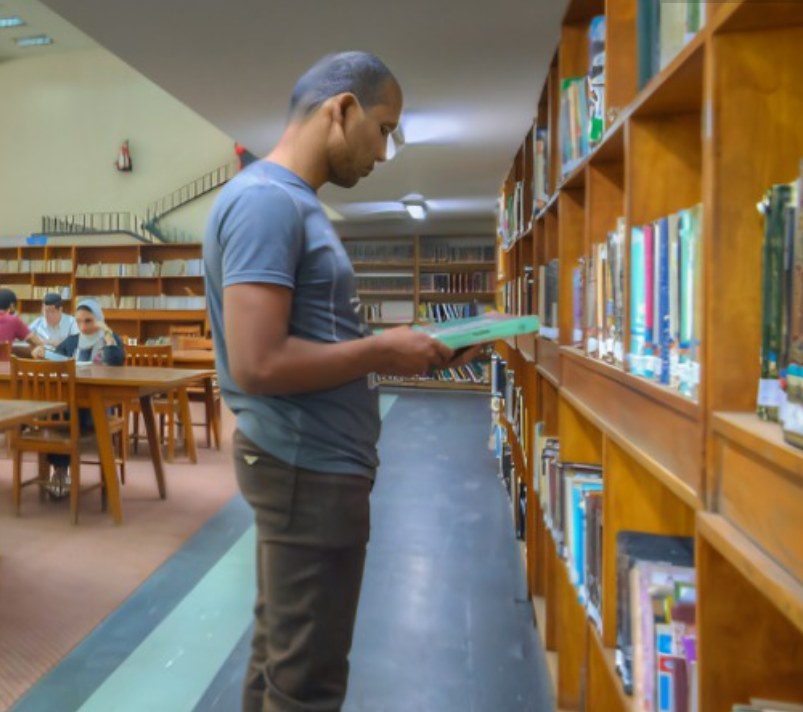
Yes, Assiut University is committed to supporting education, scientific research, and knowledge dissemination through its network of university libraries and electronic information resources. The university's library system includes a Central Library and faculty libraries that provide access to books, periodicals, scientific theses, reference materials, and other academic resources.
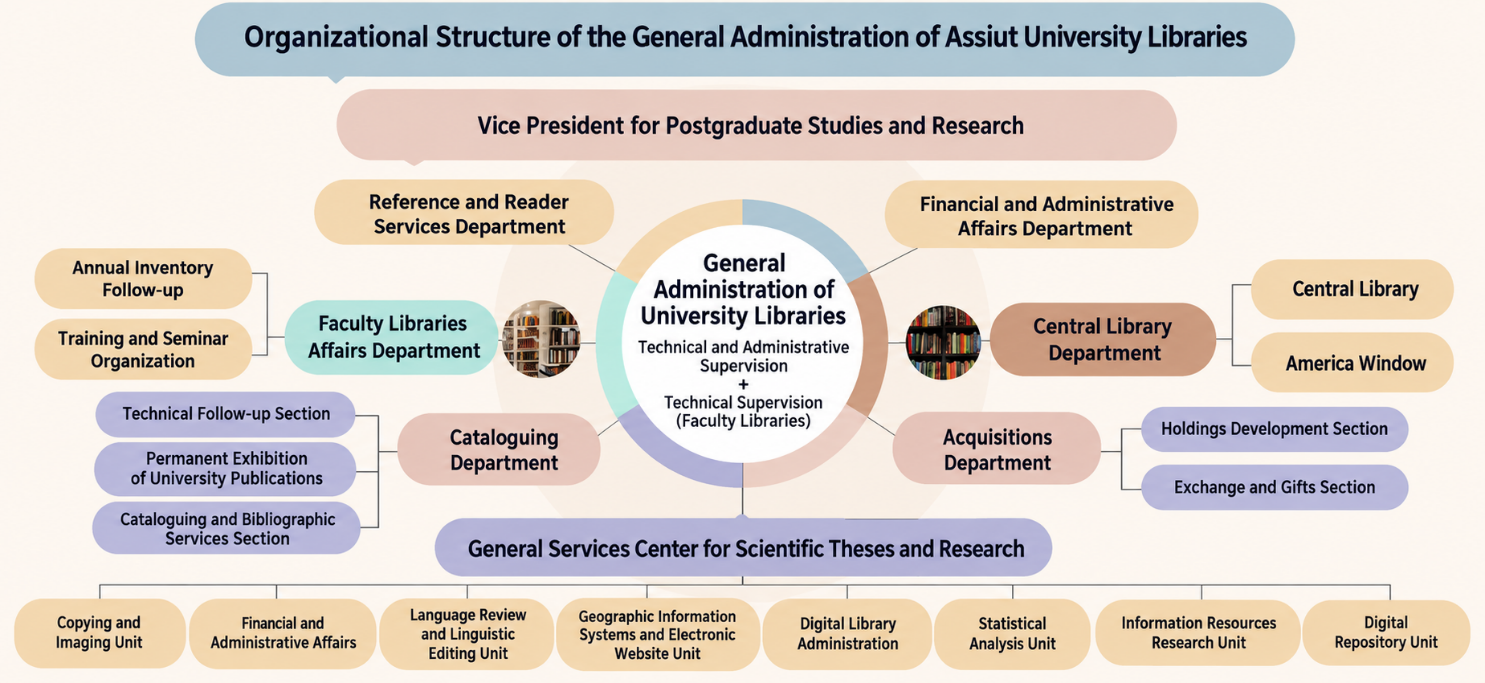
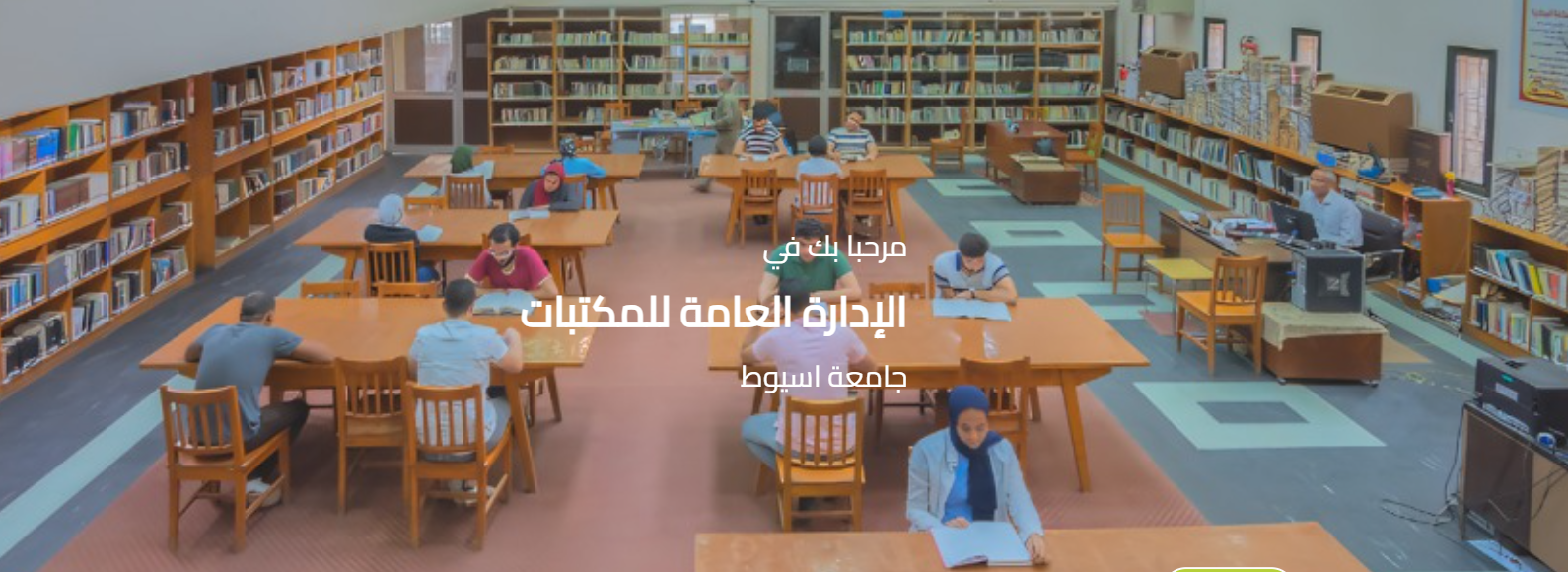
The General Administration of University Libraries coordinates library services, including reference and reader services, cataloguing, acquisitions, bibliographic services, and the development of electronic library resources.
Public Access to Libraries and Publications
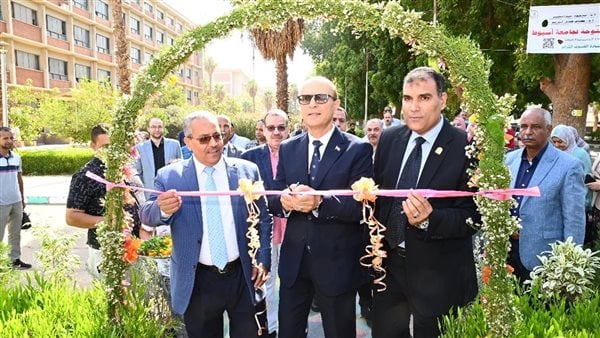
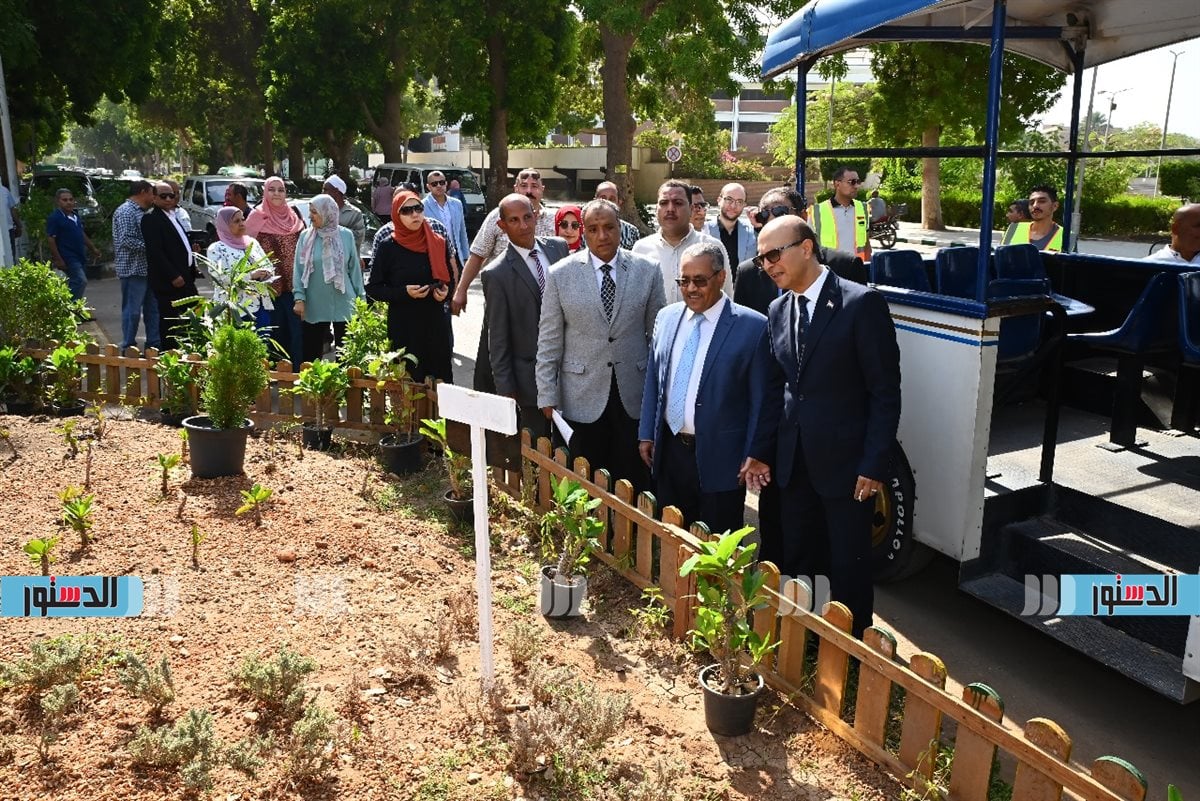
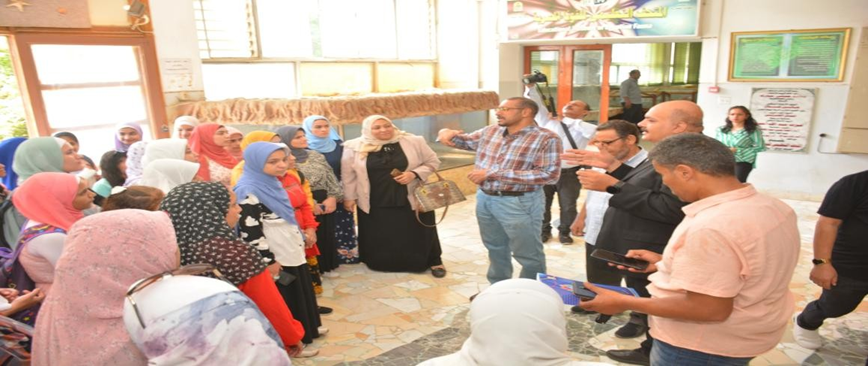
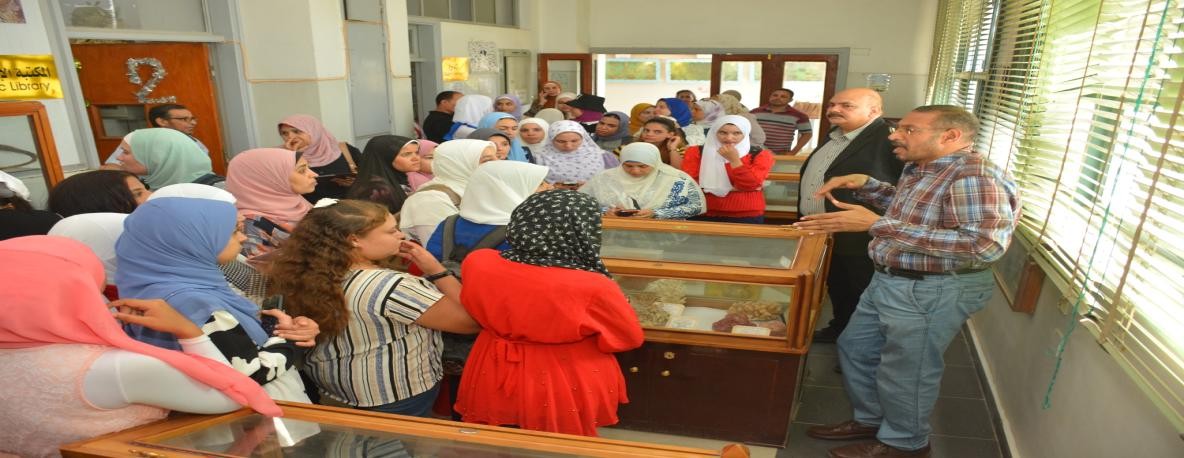
Access to the university's physical libraries is primarily intended for students, academic staff, researchers, and other eligible university users, in accordance with the applicable library regulations. Physical access is not generally unrestricted for all members of the public throughout the year. However, the university permits public access to its libraries on specific occasions and for designated activities.
The university also facilitates access to knowledge beyond its physical library facilities through online information resources and electronic library services. These resources support the dissemination of academic knowledge and enable eligible users to consult scholarly publications and research materials, subject to applicable registration, subscription, and access requirements.
Library Services and Information Resources
The university's library system provides a range of services designed to support learning, teaching, and research, including:
Reading and reference services: On-site consultation of library holdings and assistance in locating relevant information.
Books and periodicals: Access to printed academic books, journals, and other publications held in the university's libraries.
Scientific theses and dissertations: Access to research theses through the university's library services and digital repository, subject to applicable regulations.
Cataloguing and bibliographic services: Assistance in identifying library materials and searching bibliographic records.
Electronic information resources: Access to digital library services and scholarly databases, subject to the relevant access arrangements.
Research support: Information services that help students and researchers identify and use academic resources effectively.
These services are coordinated through the General Administration of University Libraries and the libraries of the university's faculties.
Digital Access and Knowledge Dissemination
Assiut University supports digital access to academic information through its electronic library resources and participation in Egypt's broader academic information infrastructure. The university provides information about access to electronic resources, including scholarly databases available through the Egyptian Knowledge Bank, subject to applicable authentication and eligibility requirements.
The university's digital library initiatives and digital repository for academic theses contribute to the organization, preservation, and dissemination of scholarly materials. These services complement the physical library network and extend opportunities to access academic information beyond the library premises.
Public Access Arrangements
The university distinguishes between access to physical library facilities and access to electronic information resources. While physical library use is primarily organized around the university community, public access may be provided during designated events and special occasions. Electronic access is governed by the conditions applicable to each platform, resource, or subscription.
Accordingly, the university provides access to books, publications, and scholarly information through its library system, while unrestricted public access to all physical library facilities is not generally available.
Official Sources and Supporting Evidence
The following official university webpages provide supporting information for this report:
Assiut University – Libraries:
General Administration of University Libraries:
University Libraries and Their Collections:
Library Services:
Assiut University International Academic Rankings Office – SDG 11:
Assiut University provides organized library services and access to academic books, publications, research theses, and electronic information resources. Although its physical libraries are primarily intended to serve the university community, the institution facilitates broader knowledge access through digital resources and permits public access to library facilities on designated occasions. This approach supports the university's educational and research mission and contributes to the dissemination of knowledge.
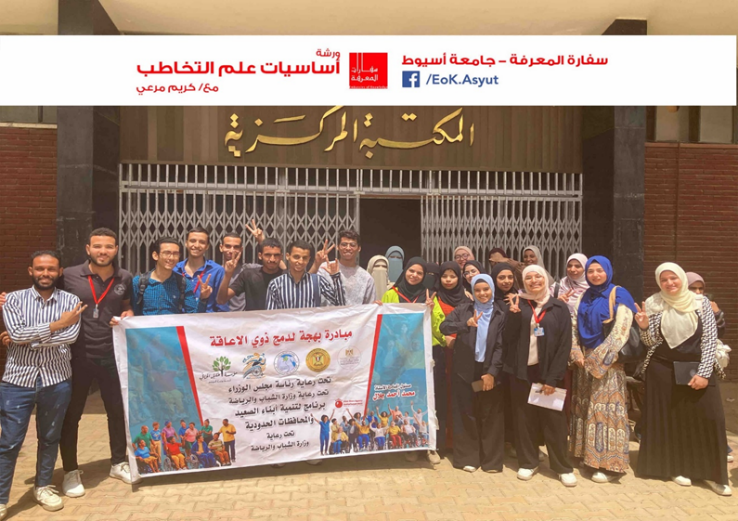
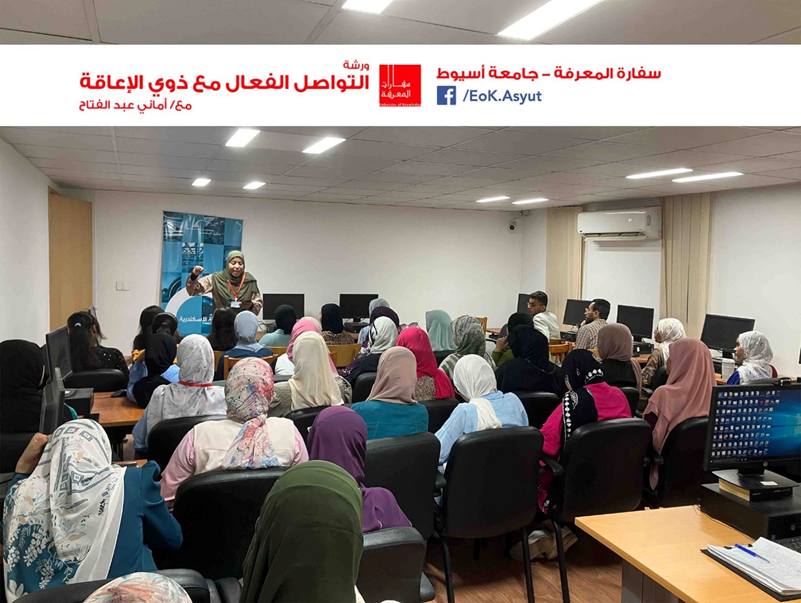
There are also some activities held at the Embassy of Knowledge affiliated with the Bibliotheca Alexandrina, such as workshops and seminars that serve the university community and the local community of Assiut Governorate within the Central Library, which are:
the date | Activity name | M |
|---|
2/3/2024 | workshop:How to construction biography Subjective Professionalism | 1 |
19/3/2024 | workshop:health Psychological And support People with ambitions | 2 |
20/3/2024 | workshop:basics Communication | 3 |
7/4/2024 | workshop:removal stigma on the patient Psychological | 4 |
10/4/2024 | workshop:communication Effective with People with Disability | 5 |
29/4/2024 | workshop:10mistakes in Education Private | 6 |
26/5/2024 | workshop:basics Speech therapy | 7 |
12/6/2024 | workshop:First aid Primary and emergencies | 8 |
12/6/2024 | workshop:Disability Visual | 9 |
4/8/2024 | workshop:skills the offer And the presentation | 10 |
11/8/2024 | Workshop: Speak English Fluently | 11 |
12/8/2024 | Workshop: Arabic calligraphy | 12 |
20/8/2024 | Montessori Philosophy Workshop | 13 |
Central Library
The Central Library was inaugurated on 30 November 2008. It is located on the ground floor of the General Administration of University Libraries building, next to the Central Restaurant. The library consists of a single reading hall, covering an area of approximately 250 square meters.
The library is open throughout the year from 8:00 a.m. to 2:15 p.m.
Number of Internet access points: 4
Library | Books | Periodicals | Theses |
|---|
Central Library | 17,328 | 184 | — |
Faculty of Commerce Library
The Faculty of Commerce Library was established in 1963 in the Faculty of Commerce building, covering an area of 650 square meters. It comprises three reading rooms:
Postgraduate Studies Reading Room
Arabic Language Reading Room
English Language Reading Room
During the academic year, the library is open from 8:00 a.m. to 5:00 p.m. During the summer vacation, it operates from 8:00 a.m. to 2:30 p.m.
Number of Internet access points: 9
Library | Books | Periodicals | Theses |
|---|
Faculty of Commerce Library | 31,261 | 264 | 2,116 |
Faculty of Arts Library
The Faculty of Arts Library was established in 1996 in the Faculty of Arts building, covering an area of 564 square meters. It comprises six reading rooms:
Main Reading Room
Theses Reading Room
Mass Communication Reading Room
Arabic Language Reading Room
English Language Reading Room
French Language Reading Room
During the academic year, the library is open from 8:00 a.m. to 4:00 p.m. During the summer vacation, it operates from 8:00 a.m. to 2:00 p.m.
Number of Internet access points: 9
Library | Books | Periodicals | Theses |
|---|
Faculty of Arts Library | 34,964 | 1,350 | 1,429 |
The Faculty of Science Library:
The libraries of the Faculty of Science were established in 1957 and include the Mathematics Library, Chemistry Library, Physics Library, Botany Library, and Zoology Library. The General Library in the Administrative Building was established in 1994, while the Chemistry (B) Library, which serves postgraduate studies, was established in 2005.
All libraries of the Faculty of Science are open from 8:00 a.m. to 5:00 p.m., except for the Chemistry (A) Library, which is open until 3:00 p.m.
Number of Internet access points: 36
Library | Books | Periodicals | Theses |
|---|
General Library | 5,868 | 2,570 | – |
Mathematics Department | 7,857 | 8,771 | 1,434 |
Chemistry Department (A) | 8,159 | – | 1,433 |
Chemistry Department (B) | 3 | 18,393 | – |
Zoology Department | 6,132 | 12,159 | 611 |
Botany Department | 5,064 | 9,863 | 918 |
Physics Department | 8,260 | 25,501 | 1,117 |
Geology Department | 6,611 | 13,454 | 1,104 |
Total | 47,954 | 90,711 | 6,617 |
Engineering Faculty Libraries:
The departmental libraries of the Faculty of Engineering were established in 1957. They include the Mechanical Engineering Library, Electrical Engineering Library, Architectural Engineering Library, Civil Engineering Library, Mining and Metallurgical Engineering Library, and the Preparatory-Year Engineering Students’ Library.
All libraries of the Faculty of Engineering are open from 8:00 a.m. to 5:00 p.m. During the summer vacation, they are open from 8:00 a.m. to 2:15 p.m.
Number of Internet Access Points: 20
Library | Books | Periodicals | Theses |
|---|
Architectural Engineering Department | 6,359 | 5,214 | 736 |
Civil Engineering Department | 11,710 | 7,760 | 1,099 |
Electrical Engineering Department | 12,272 | 20,614 | 1,510 |
Mechanical Engineering Department | 13,752 | 15,387 | 805 |
Mining and Metallurgical Engineering Department | 8,324 | 15,022 | 513 |
Preparatory-Year Engineering Department | 9,496 | 1,371 | – |
Total | 61,913 | 65,368 | 4,663 |
The Faculty of Agriculture Library:
The library was established in 1959–1960 in the Faculty of Agriculture building on the university campus, covering an area of 684 square meters. It comprises five reading rooms: the Scientific Theses Hall, the FAO Publications Hall, the Periodicals Hall, the Arabic and Foreign Books Hall, and the Computer Hall.
The library is open from 8:00 a.m. to 2:30 p.m.
Number of Internet Access Points: 5
Library | Books | Periodicals | Theses |
|---|
Faculty of Agriculture | 26,858 | 48,534 | 4,280 |
The Faculty of Medicine Library:
The library was established in 1961 in the Faculty of Medicine building on the university campus, covering an area of 1,050 square meters. It comprises eleven halls, including the Students’ Library, Computer Library, Postgraduate Studies and Research Library, Scientific Theses Library, Cultural Library, Rare Books Library, Research Library, and Technology Club Library, which comprises four rooms.
During the academic year, the library is open from 8:30 a.m. to 5:00 p.m. During the summer vacation, it is open from 8:00 a.m. to 3:00 p.m.
Number of Internet Access Points: 55
Library | Books | Periodicals | Theses |
|---|
Faculty of Medicine | 12,839 | 57,629 | 6,361 |
The Faculty of Pharmacy Library:
The library was established in 1960 in the Faculty of Pharmacy building on the university campus. It covers an area of 331 square meters for the Faculty Members’ Library, 235 square meters for the Students’ Library, and 37 square meters for the Theses Library.
The library comprises three halls: the Faculty Members’ Library, the Students’ Library, and the Theses Library.
During the academic year, the library is open from 8:00 a.m. to 5:00 p.m. During the summer vacation, it is open from 8:00 a.m. to 2:00 p.m.
Number of Internet Access Points: 13
Library | Books | Periodicals | Theses |
|---|
Faculty of Pharmacy | 13,211 | 14,785 | 1,854 |
The Faculty of Veterinary Medicine Library:
The library was established in 1961 in the Faculty of Veterinary Medicine building on the university campus, covering an area of 500 square meters. It comprises two halls: the Main Hall, serving students and faculty members, and the Postgraduate Studies Hall, which houses periodicals and theses.
During the academic year, the library is open from 8:00 a.m. to 5:00 p.m. During the summer vacation, it is open from 8:00 a.m. to 2:30 p.m.
Number of Internet Access Points: 9
Library | Books | Periodicals | Theses |
|---|
Faculty of Veterinary Medicine | 15,802 | 22,869 | 2,284 |
The Faculty of Education Library:
The library was established in 1957 and was originally affiliated with the Ministry of Higher Education. It became part of Assiut University in 1966 and was relocated to the college’s new administrative building in 1992. The library covers an area of 708.7 square meters and comprises three halls: two Students’ Library halls and one Postgraduate Studies Library Hall, which also includes a Students’ Library section for English and French languages.
During the academic year, the library is open from 8:00 a.m. to 5:30 p.m. During the summer vacation, it is open from 8:00 a.m. to 2:15 p.m.
Number of Internet Access Points: 36
Library | Books | Periodicals | Theses |
|---|
Faculty of Education | 28,162 | 3,819 | 2,080 |
The Faculty of Law Library:
The library was established in 1975 in the Faculty of Law building on the university campus, covering an area of 3,000 square meters. It comprises seven halls: the Human Rights Hall, Sharia Hall, Periodicals and Theses Hall, Public Law Hall, Private Law Hall, Foreign References Hall, and Students’ Hall.
During the academic year, the library is open from 8:00 a.m. to 5:00 p.m. During the summer vacation, it is open from 8:00 a.m. to 2:15 p.m.
Number of Internet Access Points: 20
Library | Books | Periodicals | Theses |
|---|
Faculty of Law | 52,746 | 29,317 | 3,719 |
The Faculty of Physical Education Library:
The library was established in 1980/1981 in the Faculty of Physical Education building on the university campus, covering an area of 386.80 square meters. It comprises three halls: one Postgraduate Studies Hall and two Students’ Halls.
During the academic year, the library is open from 8:00 a.m. to 5:00 p.m., Sunday through Wednesday, and until 2:00 p.m. on Thursdays. During the summer vacation, it is open from 8:00 a.m. to 2:15 p.m. every day of the week.
Number of Internet Access Points: 10
Library | Books | Periodicals | Theses | Theses |
|---|
Faculty of Physical Education | 15,499 | 808 | 808 | 2,751 |
The Faculty of Social Work Library:
The library was established in 1995 in the Faculty of Social Work building, covering an area of 504 square meters. It comprises five halls: one Postgraduate Studies and Research Hall, three Students’ Halls, and one Microfiche and Microfilm Hall.
During the academic year, the library is open from 8:00 a.m. to 4:00 p.m. During the summer vacation, it is open from 8:00 a.m. to 2:15 p.m.
Number of Internet Access Points: 7
Library | Books | Periodicals | Theses |
|---|
Faculty of Social Work | 20,507 | 103 | 1,617 |
The Faculty of Specific Education Library:
The library was established in 1992 in the Faculty of Specific Education building. It covers an area of 80 square meters for the Students’ Library and 40 square meters for the Postgraduate Studies Library. It comprises two halls: the Students’ Library Hall and the Postgraduate Studies Library Hall.
During the academic year, the library is open from 8:00 a.m. to 5:00 p.m. During the summer vacation, it is open from 8:00 a.m. to 2:15 p.m.
Number of Internet Access Points: 7
Library | Books | Periodicals | Theses |
|---|
Faculty of Specific Education | 11,992 | 220 | 361 |
The Youth Welfare Library:
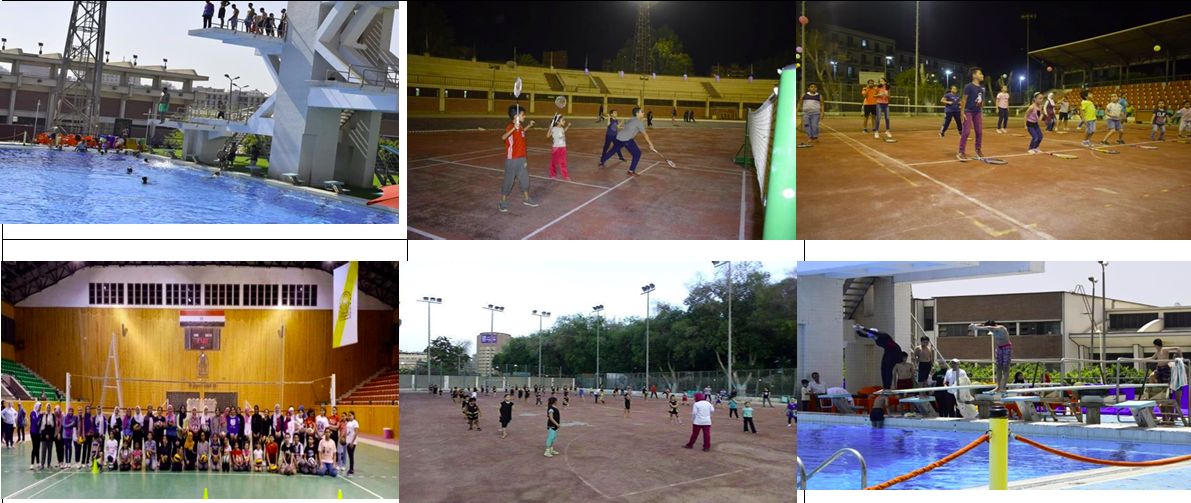
The library was established in 1975 in the Youth Welfare building on the university campus, at the stadium building, and in a room in the indoor sports hall. It covers an area of 32 square meters and includes a reading room.
The library is open from 8:00 a.m. to 2:15 p.m. throughout the year.
Number of Internet Access Points: 2
Library | Books | Periodicals | Theses |
|---|
Youth Welfare | 8,649 | 12 | 1 |
University Women’s Health Hospital Library:
The library was established in the 2006 academic year. It consists of a single hall in the building, covering an area of approximately 16 m × 7.85 m (125.6 square meters).
The library is open from 8:00 a.m. to 2:15 p.m. throughout the year.
Number of Internet Access Points: 2
Library | Books | Periodicals | Theses |
|---|
University Women’s Health Hospital | 2,609 | 4,794 | 617 |
The Faculty of Computers and Information Library:
The library was established in 2001/2002 in the Faculty of Computers and Information building on the university campus, covering an area of 206 square meters. It comprises two halls: the Students’ Hall and the Postgraduate Studies Hall.
During the academic year, the library is open from 8:00 a.m. to 4:00 p.m. During the summer vacation, it is open from 8:00 a.m. to 2:15 p.m.
Number of Internet Access Points: 4, plus 1 wireless device.
Library | Books | Periodicals | Theses |
|---|
Faculty of Computers and Information | 5,798 | 892 | 46 |
The Faculty of Nursing Library:
The library was established in 1982 in the Faculty of Nursing building, covering an area of 230 square meters. It comprises three halls: the Students’ Hall, the Postgraduate Studies Hall, and an Audiovisual Equipment Hall.
During the academic year, the library is open from 8:00 a.m. to 5:00 p.m. During the summer vacation, it is open from 8:00 a.m. to 2:15 p.m.
Number of Internet Access Points: 8
Library | Books | Periodicals | Theses |
|---|
Faculty of Nursing | 8,730 | 4,766 | 905 |
The Faculty of Sugar Industry Technology and Integrated Industries Library:
The library was established in 1994/1995 in the Faculty of Sugar Industry Technology and Integrated Industries building, covering an area of 300 square meters. It comprises three reading halls housing collections that meet the academic needs of students in the following disciplines: Agricultural Engineering, Chemical Engineering, Fermentation, Pulp and Paper, and Environmental Studies. The library also includes a reading hall dedicated to the faculty’s graduation projects and a hall dedicated to the World Bank Development Information Center.
The library is open from 8:00 a.m. to 5:00 p.m., except on official holidays.
Number of Internet Access Points: 5
Library | Books | Periodicals | Theses |
|---|
Faculty of Sugar Industry Technology and Integrated Industries | 5,559 | 978 | 141 |
The Faculty of Fine Arts Library:
The library was established in 2016 and is located on the first floor of the faculty building. It consists of a single hall equipped with three tables and 23 wooden chairs.
The library is open from 8:00 a.m. to 2:00 p.m., except on official holidays.
Number of Internet Access Points: 1
Library | Books | Periodicals | Theses |
|---|
Faculty of Fine Arts | 1,284 | 148 | – |
Oncology Institute Library:
The library was established in 2004 in the Oncology Institute building and includes a reading room.
The library is open from 7:30 a.m. to 2:30 p.m.
Number of Internet Access Points: 5
Library | Books | Periodicals | Theses |
|---|
Oncology Institute | 3,441 | – | 130 |
The Technical Institute of Nursing Library:
The library was established in 1987 in the Technical Institute of Nursing building, covering an area of 212 square meters. It comprises one hall housing Arabic and foreign-language books.
The library is open from 8:30 a.m. to 2:00 p.m. during the academic year and on official holidays.
Number of Internet Access Points: 2
Library | Books | Periodicals | Theses |
|---|
Technical Institute of Nursing | 3,423 | – | 3 |