

– International Collaboration on Gathering and Measuring SDG Data
Assiut University – International Ranking Office and Community Service and Environmental Development Sector
Question 17.2.3 Does your university as a body participate in international collaboration on gathering or measuring data for the SDGs? |
Answer: YES | Assiut University takes part, as an institution, in several international efforts to gather and measure SDG data. It submits audited institutional data to international sustainability rankings that use standardised SDG indicators; it serves as a data-collection site in multi-country studies led by the WHO, UN agencies and international universities; and it runs its own systems to measure SDG performance and research output against international methods. |
301st THE Impact Rankings 2025 (2nd in Egypt) | #631 UI GreenMetric 2025 world rank | 15 cities in the Global Early Adolescent Study | 2,067 SDG-related research articles mapped |
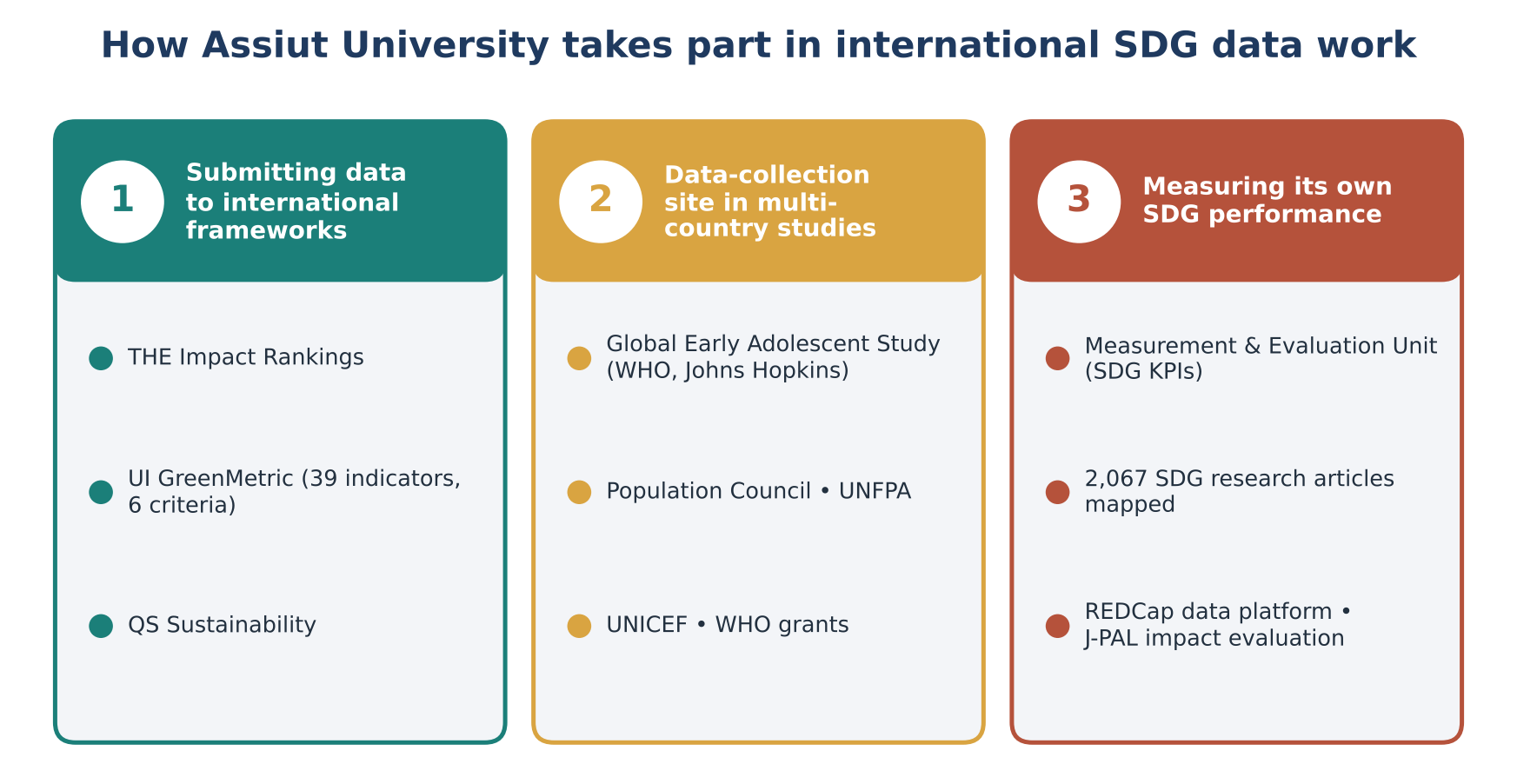
Figure 1. Three levels of the university's international SDG data work
1. Submitting SDG data to international measurement frameworks
- Times Higher Education (THE) Impact Rankings. The university submits evidence and data for each SDG every year. The International Ranking and International Relations Office (AUIRO) coordinates the documentation, monitoring and evidence-based reporting so that it is consistent with the THE Impact Rankings methodology. In 2025, the university advanced 100 places, ranking 301st globally and second in Egypt.
- UI GreenMetric World University Rankings (Universitas Indonesia). This ranking assesses universities on 39 indicators in 6 criteria: setting and infrastructure, energy and climate change, waste, water, transportation and education. A dedicated university committee gathers the data, and the Community Service and Environmental Development Sector reviews it against the template issued by the UI GreenMetric office before it is uploaded to the GreenMetric platform. In 2025, the university climbed 100 places to world rank #631.
- QS Sustainability Rankings. The university rose 168 places in the QS Sustainability ranking for 2025, which measures environmental, social and governance impact.
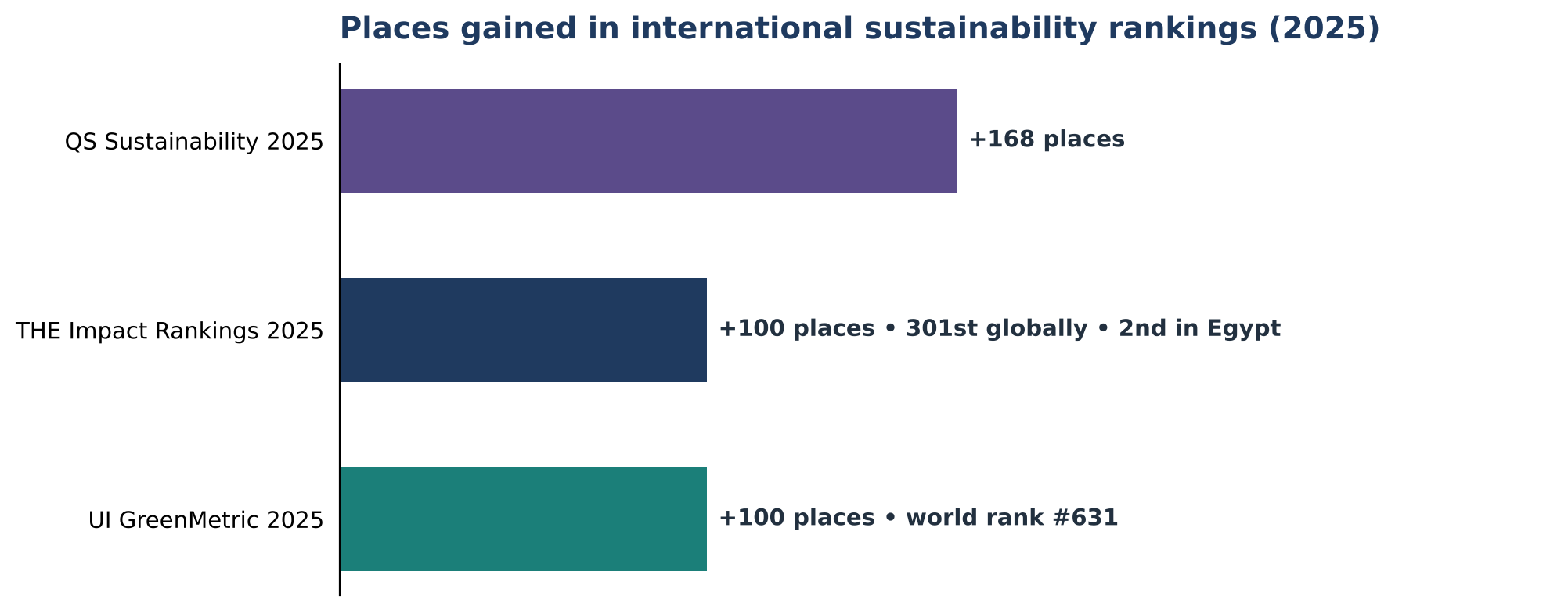
Figure 2. Places gained in international sustainability rankings, 2025
2. Multi-country SDG research and data-collection studies
- Global Early Adolescent Study (GEAS), with the WHO and Johns Hopkins University. A multi-country study of gender norms and adolescent health (SDG 3 and SDG 5). The Department of Public Health and Community Medicine is the Egyptian site. GEAS was launched in 2014 with partner institutions in 15 cities, including Assiut, Baltimore, Blantyre, Cape Town and Ghent. Researchers at every site used the same tools, so the data can be compared across countries. It was the first global study to show that gender norms can be measured among 10–14-year-olds worldwide.
- Gates Institute at Johns Hopkins Bloomberg School of Public Health (2006–2014). A partnership to build reproductive health research capacity for Upper Egypt. Its main lasting result was a Master's degree in Demography and Population Reproductive Health.
- Population Council. Joint work included:
- a mid-term evaluation of female genital mutilation/cutting (2009)
- collaboration to develop Assiut as a Centre of Excellence in youth sexual and reproductive health (2014–2015)
- UNFPA. Joint studies on:
- the impact of midwifery training on deliveries in rural Assiut
- the knowledge, attitudes and practices of imams on sexual and reproductive health and rights
- UNICEF. The Basic Minimum Needs project in Azaiza village (Ghanayem district) and the Baby-Friendly Hospital Initiative.
- WHO. Several research grants on smoking, violence and breast cancer.
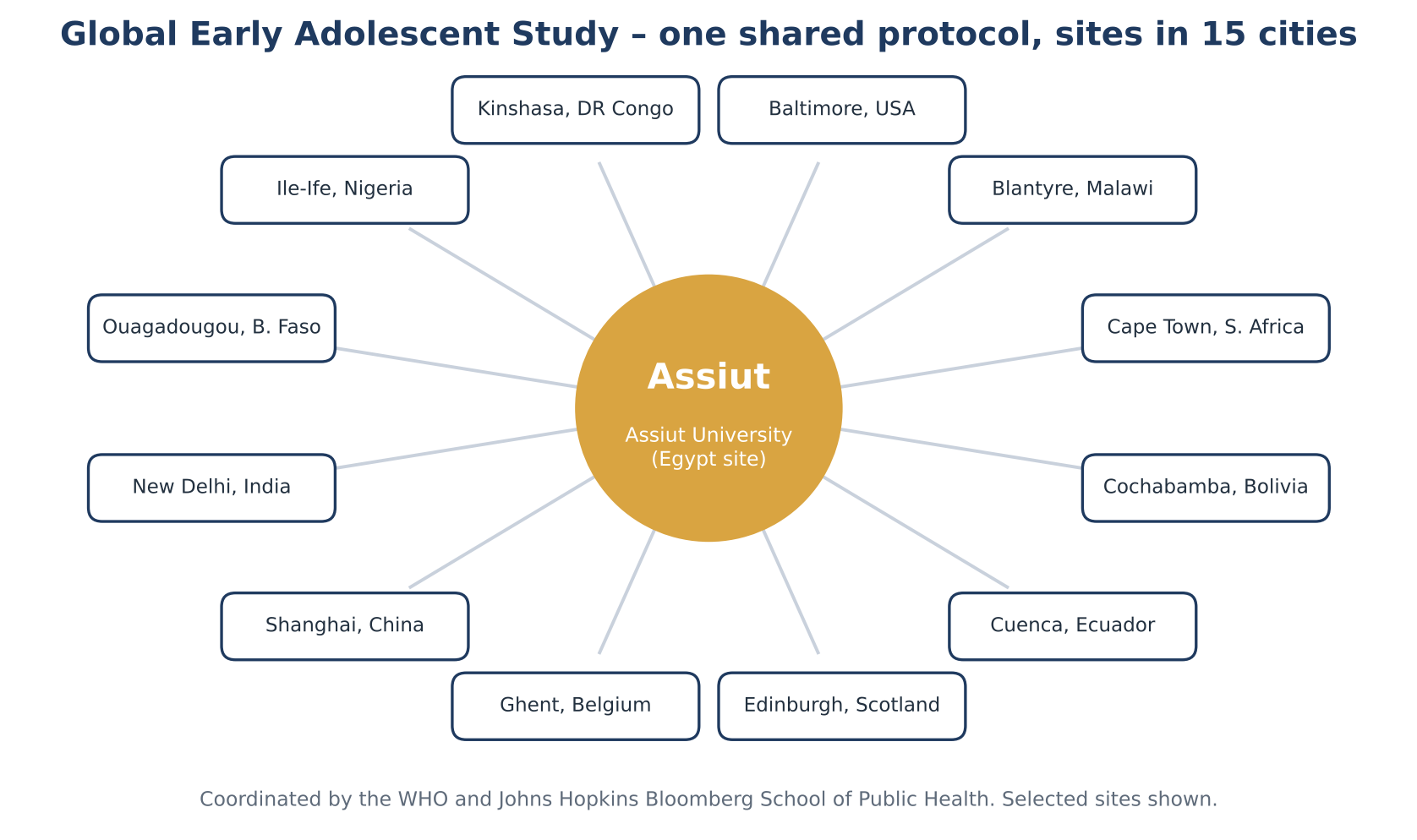
Figure 3. Assiut University as the Egyptian site of the Global Early Adolescent Study
3. International research data infrastructure
- REDCap Consortium (USA, 2017–present). The university is a member of the global REDCap consortium, an international digital platform for collecting and managing research data. Its researchers use it to gather standardised data for health and SDG-related studies.
4. Measuring the university's own SDG performance
- Measurement and Evaluation Unit. The university set up this unit to measure its SDG key performance indicators.
- Research mapping. The International Ranking Office identified 2,067 research articles that directly relate to the SDGs, analysed their strengths and weaknesses, and advised the administration on strategic research planning.
- Teaching. SDG-related courses rose to 63 across the university's faculties.
- Evidence-based evaluation with J-PAL MENA (American University in Cairo). Joint seminars trained researchers and practitioners in randomised impact evaluation, so that SDG interventions in Upper Egypt can be measured with international methods.
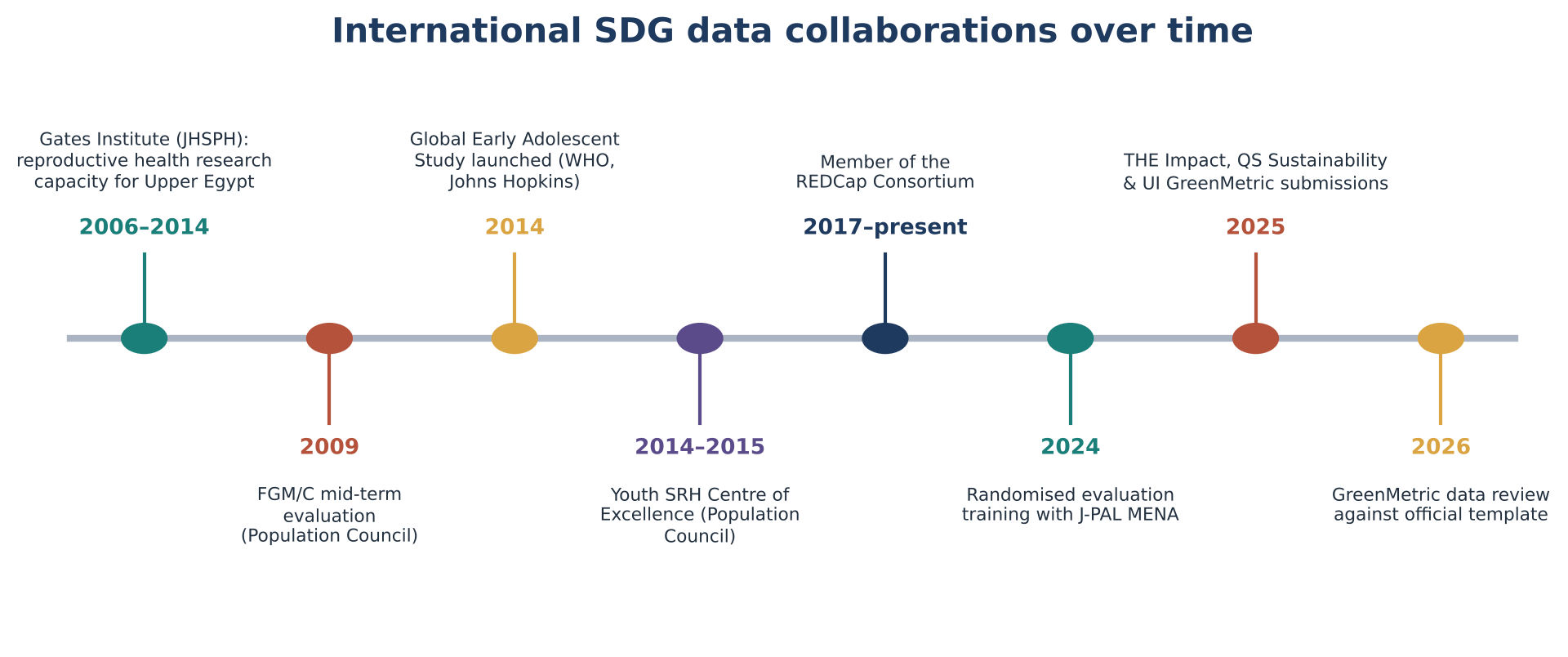
Figure 4. International SDG data collaborations over time
Summary of international data collaborations
International partner / framework | Period | Data gathered or measured |
Times Higher Education Impact Rankings | Annual | Institutional evidence and data for each SDG |
UI GreenMetric (Universitas Indonesia) | Annual | 39 indicators in 6 criteria: infrastructure, energy & climate, waste, water, transport, education |
QS Sustainability Rankings | Annual | Environmental, social and governance impact |
Global Early Adolescent Study (WHO, Johns Hopkins) | 2014 onwards | Gender norms and adolescent health, same protocol in 15 cities (SDG 3, 5) |
Gates Institute, Johns Hopkins Bloomberg School of Public Health | 2006–2014 | Reproductive health research capacity for Upper Egypt (SDG 3) |
Population Council | 2009; 2014–2015 | FGM/C mid-term evaluation; youth sexual and reproductive health (SDG 3, 5) |
UNFPA | — | Impact of midwifery training in rural Assiut; KAP of imams on SRH and rights (SDG 3, 5) |
UNICEF | — | Basic Minimum Needs project (Azaiza village); Baby-Friendly Hospital Initiative (SDG 1, 3) |
WHO | — | Research grants on smoking, violence and breast cancer (SDG 3) |
REDCap Consortium (USA) | 2017–present | International platform for collecting and managing research data |
J-PAL MENA (American University in Cairo) | 2024 | Randomised impact evaluation of SDG interventions |
Evidence links
- 17.2.3 evidence page
- SDG 17 report 2025
- UI GreenMetric profile
- THE Impact Rankings 2025 news
- QS Sustainability 2025 news
- GreenMetric 2025 news
- GreenMetric file review meeting (May 2026)
- Public Health Department – joint research with international agencies:
- WHO – Global Early Adolescent Study
- SDG 17 overview (Measurement and Evaluation Unit, 2,067 articles, 63 courses)