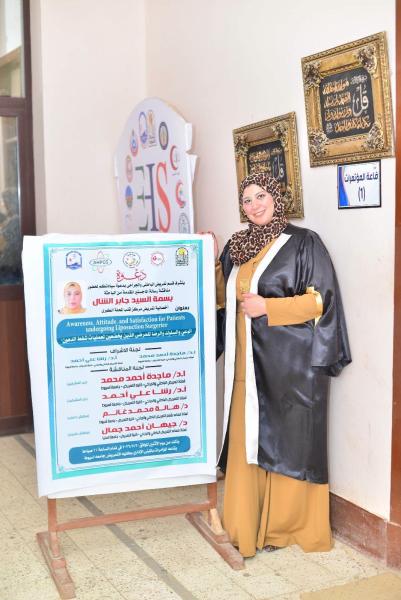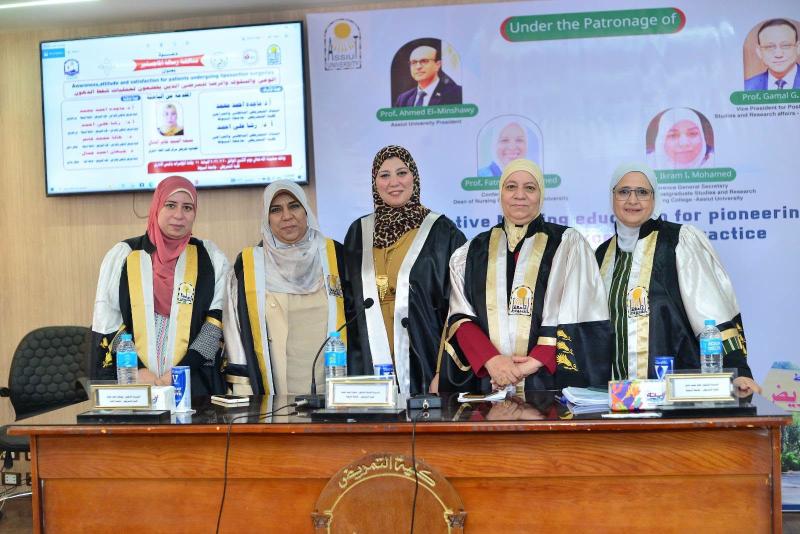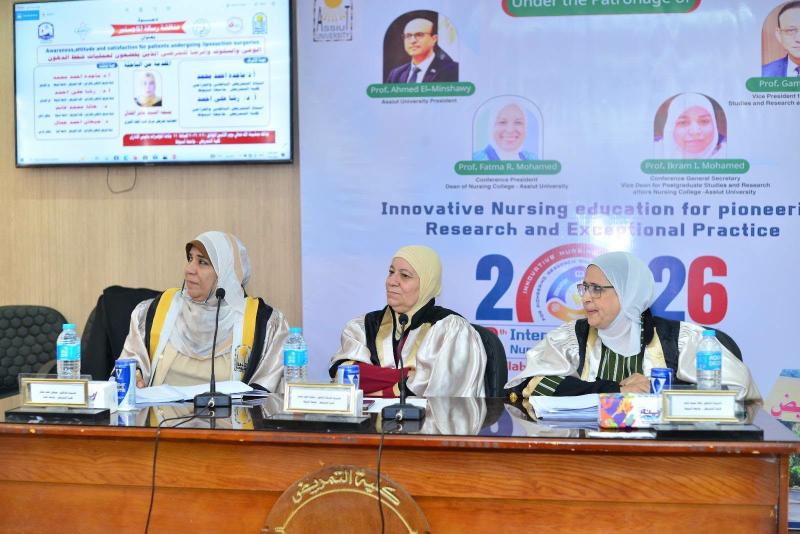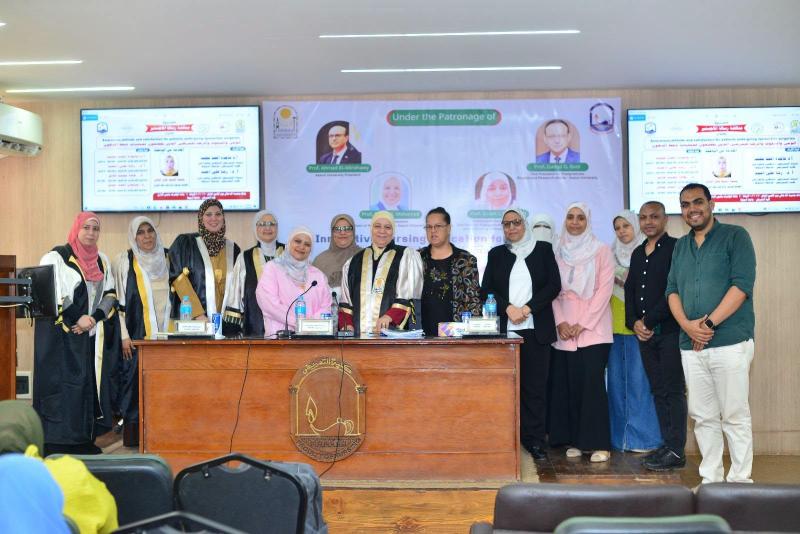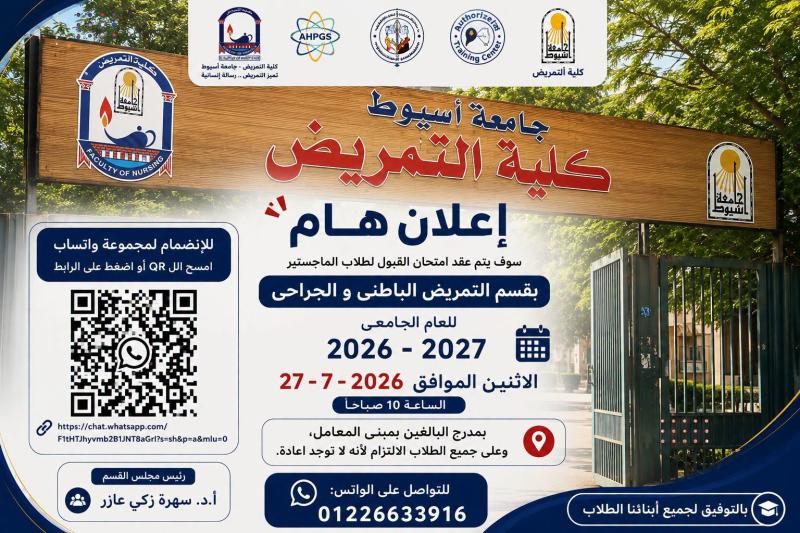

Assiut University Faculty of Nursing is participating in the Eid al-Adha exhibition under the patronage of Professor Dr. Ahmed El-Menshawy, the University President, and Professor Dr. Mohamed El-Adawy, Vice President of the University


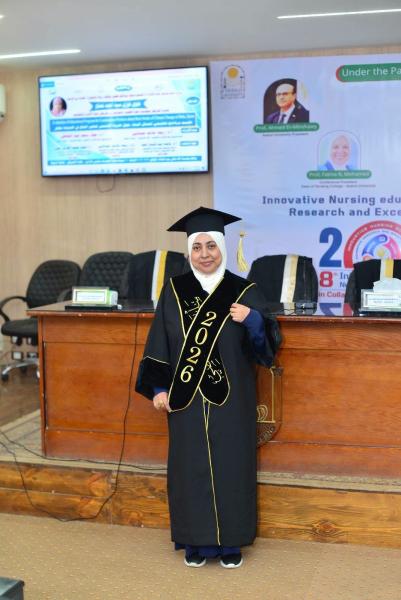
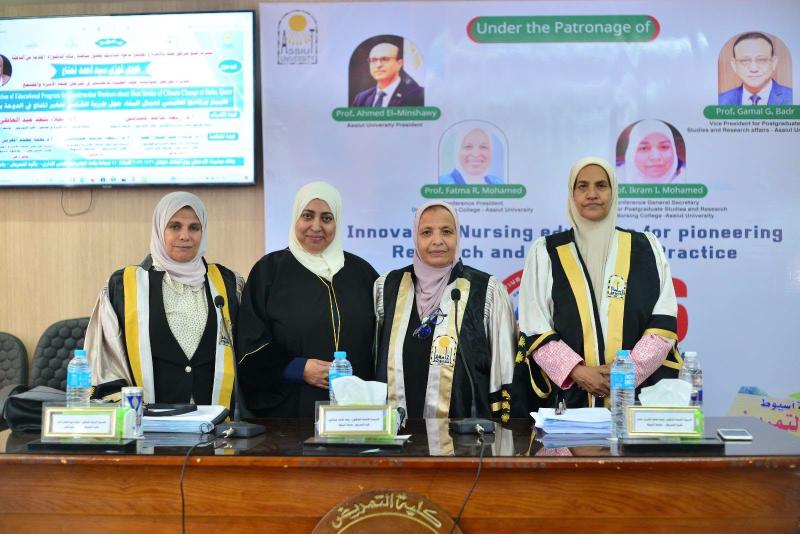
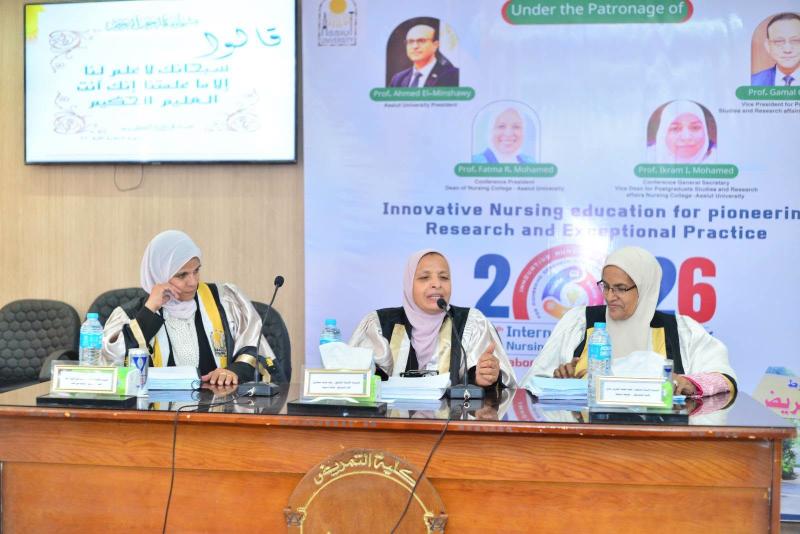
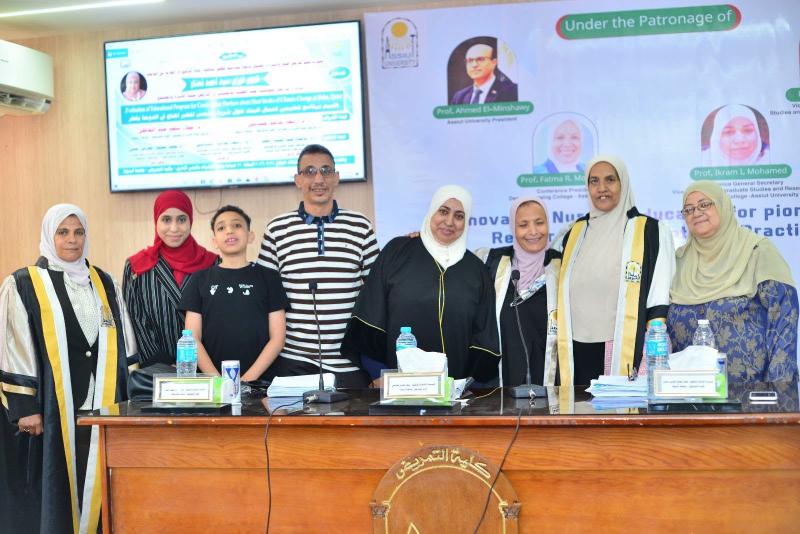
upervisor in the Department of Geriatric Nursing - Faculty of Nursing - Assiut University, on the acceptance of her master's thesis titled:


, staff, students, and all Muslims on the occasion of Eid al-Adha. Wishing that it brings goodness, prosperity, and blessings to all of you, and that God accepts your righteous deeds. Happy Eid to all of you!
#Media_Faculty_of_Nursing_Assiut_University
ABSTRACT: Background: Integrating nurse-caring behavior protocols in acute diabetic crisis management enhances patient satisfaction and outcomes by addressing both clinical and emotional care needs. Aim: evaluate the effect of implementing nurse-caring behavior protocols on enhancing patients’ satisfaction and their outcomes in acute diabetic crisis management. Design: Quasi-experimental research design was used in the present study. Setting: ICU and emergency care unit at Aswan university hospital. Sample: This study was performed on 60 patients who were not randomly selected and assigned in to control and study group. Tools: Tree tools were used to collect data include Tool (I): Patient assessment tool contained personal characteristic. Tool (II): Patients satisfaction with NCBs evaluation scale. Tool (III) Patients Outcomes assessment tool. Results: the majority being aged 50-60 years in study and control group (70.1% and 66.7% respectively), Gender distribution was nearly equal, with slightly more females in (56.0 % and 50%) respectively, a higher percentage of participants with higher education (33.3% and 50%) respectively. A higher percentage of patients in the study group reported satisfactory levels of satisfaction (73.3%) compared to the control group (33.3%) Conversely. The study group had a significantly higher percentage of patients staying less than 5 days (63.3%). The study group had significantly more patients discharged to home (76.7%). A significantly lower rates of complications, including hypoglycemia, hypokalemia, cerebral edema, arrhythmia and acidosis among study group. Conclusion: The nurse-caring behaviors have a positive impact on patient satisfaction, outcomes, and a reduction in complications associated with acute diabetic crises. Recommendation: Implementing and evaluating nurse-caring behavior protocols, to enhance early discharge and complication management in acute diabetic crisis management.
Background: critical care nurses have an important role in applying High-Frequency Chest Wall Oscillation (HFCWO) devices which offers a great practical advantage in improvement of airway clearance in patient with various respiratory conditions. Objectives of study: to evaluate the effect of using high frequency chest wall oscillation device on respiratory outcomes among critically ill patients. Method: This study was carried out at the respiratory intensive care units at Assiut University Hospital, Egypt by using Quazi experimental research design. A Purposive sample of 60 adult critically ill patients from August 2024 to March 2025. Patients were randomly assigned into intervention group and control group. Tools: Three tools were utilized in this study; I: Patient assessment tool. II: Respiratory system assessment. III: Patients Outcomes. Results: regarding arterial blood gases; study results revealed that intervention group showed an improvement than control group in mean PaO2 from 72.53 ±21.03 pre intervention to 85.90 ± 14.92 at 7th day and mean SaO2 from 90.13 ±6.66 pre intervention to 93.23 ±5.67 at 7th day with statistically significant differences (P = 0.033, 0.022) respectively. Also, intervention group had lower length of ICU stay than control group with statistically significant difference (P = 0.032). Conclusion: HFCWO device was an effective way to enhance patients' respiratory status and decrease length of ICU stay than manual chest physiotherapy. Recommendations: study results encourage using HFCWO device in all ICUs at Assiut university hospitals.
Background: ChatGPT, a language model developed by Open AI, has the potential to play a role in nursing education. This study aims to evaluate effectiveness of ChatGpt as an educational tool for nurses regarding ICU-acquired muscle weakness. Design: A quasi-experimental study design was used. Setting: The study was conducted in general intensive care unit at Sohag main University Hospital. Subjects: Convenient sample of all available nurses working in general ICU. Three tools were used in this study. Tool I: Structured Interview Questionnaire, Part I: Personal and Sociodemographic Data, Part II: Nurses Knowledge Assessment Questionnaire pre &post-test. Tool II: Nurses’ Attitude Assessment Questionnaire: Pré/Post test. Tool III: Feedback from Nurses about ChatGPT Usability and Satisfaction. Results: 77% of the studied nurses had good knowledge versus 23% had inadequate level of knowledge in the Post-test. Also, 72% of the studied nurses revealed satisfied attitude toward using Chat GPT posttest versus 28% of them had unsatisfactory attitude in the post-test. Conclusion: ChatGPT was effective in improving nurses’ knowledge and attitude regarding ICU acquired weakness. Recommendations: Nurses as educators should carefully consider how to integrate ChatGPT into their learning practices.
Background: Sound therapy can successfully relieve a variety of painful symptoms and is one of the most popular non-pharmacological treatments utilized by clinical personnel. Through pitch and rhythm, it activates the limbic system, which in turn triggers the pituitary gland to release endorphins, which results in a feeling of wellbeing Aim of study to evaluate the impact of sound therapy on pain and agitation during endotracheal suctioning in critically ill patients Research design: A Quasi-experimental study design was used. Setting: the study was conducted in General intensive care unit at Sohag main University Hospital. Subjects: Convenient sample of 79 patients were included in the study and they were assigned randomly to a control group and an intervention group. Five tools were utilized in this study: I: sheet for patient assessment, II: Critical-Care Pain Observation Tool (CPOT), III: Richmond Agitation-Sedation Scale (RASS), IV: Glasgow coma scale (GCS), V: Clinical outcomes assessment sheet. Results: revealed that Patient in the intervention group had significant relief of pain 5 min, and 15 min after intervention in comparison with control group patients, as indicated with P=0.04*&0.001**. According to the results, the study group's agitation levels were significantly lower than those of the control group five, three, and five minutes after the intervention (p values of 0.005**, 0.005**, and 0.04*, respectively). Conclusion: Sound therapy was effective in the reduction of pain and agitation level among critically ill patients. Recommendations: Provide in-service education about the importance of sound therapy inside the intensive care unit.
Abstract Background: Critically ill intubated and mechanically ventilated patients are usually kept sedated and their mobility is limited, with only passive movement provided through routine nursing care and regular repositioning. Early mobilization of critically ill patients seeks to improve management outcomes and enhance the quality of life for the patients. Aim of the study: to assess the effect of early abdominal mobilization exercise on gastrointestinal outcomes among mechanical ventilation patients. Design: a quasi experimental research design. Setting: The study was conducted at the Intensive Care Unit in Qena Main University Hospital. Subjects: a purposive sample of approximately thirty critically ill patients attached with invasive mechanical ventilation for more than 24 hours. Tools: Gastrointestinal outcomes assessment sheet used to assess gastrointestinal outcomes after the abdominal mobilization exercise program. Results: 86.7% of the participants experienced reduced distention after abdominal exercises. 83.3% of them had a softer abdomen after the intervention. Concerning abdominal characteristics, 83.3% of the study sample had a soft abdomen after the intervention, and only 16.7% had a tense abdomen after the intervention. Regarding of gastric residual volume, 100.0% of the study sample had less than 50 ml after the early abdominal exercise intervention. Conclusion: early abdominal mobilization showed significant improvement in gastrointestinal functions and reduced the signs of enteral feeding intolerance as distension, tense abdomen, vomiting, constipation, and gastric residual volume which means improvement in the digestion process and gastric emptying time. Recommendations: early abdominal exercise and massage should be included in the routine patient’s care at the ICU and further researches are needed.
Background: High Flow Nasal Cannula appears to be a promising alternative to standard oxygen and non-invasive ventilation for treating patients with hypoxemic acute respiratory failure. Therefore, the present study aimed to evaluate the effect of high-flow nasal cannula versus non invasive ventilation on critically ill patient outcomes. Research hypotheses: high-flow nasal cannula is expected to be more effective than non-invasive continuous positive airway pressure in reducing the length of stay, mortality rate, and post-extubation complications. A comparative, Descriptive research design was used. The study was conducted in ICUs of the anesthesia department at Assuit Main University Hospital. A purposive sample of 60 adult male and female patients who were aged (18-60 years) was included in the study and they were assigned into two groups (HFNC and NIV). Five tools were used to gather data, I: Patient assessment sheet, II: Glasgow coma scale (GCS), III: Dyspnea Visual Analogue Scale (D-VAS), IV: Device-related discomfort visual analogue scale and V: Clinical outcomes assessment sheet. Results: revealed that half of the patients in both the HFN and NIV (CPAP) groups stayed in the hospital for 6-10 days. Regarding patient progress, there is a statistically significant difference between both groups, with patients using the HFN protocol showing greater improvement than patients using the CPAP protocol. Conclusion: The patient in HFN protocol shows improvement in the level of progress than NIV (CPAP). Recommendations: High-Flow Nasal Cannula may serve as an alternative treatment for hypercapnic respiratory failure, particularly for patients who do not tolerate Non-Invasive Ventilation well.