


?
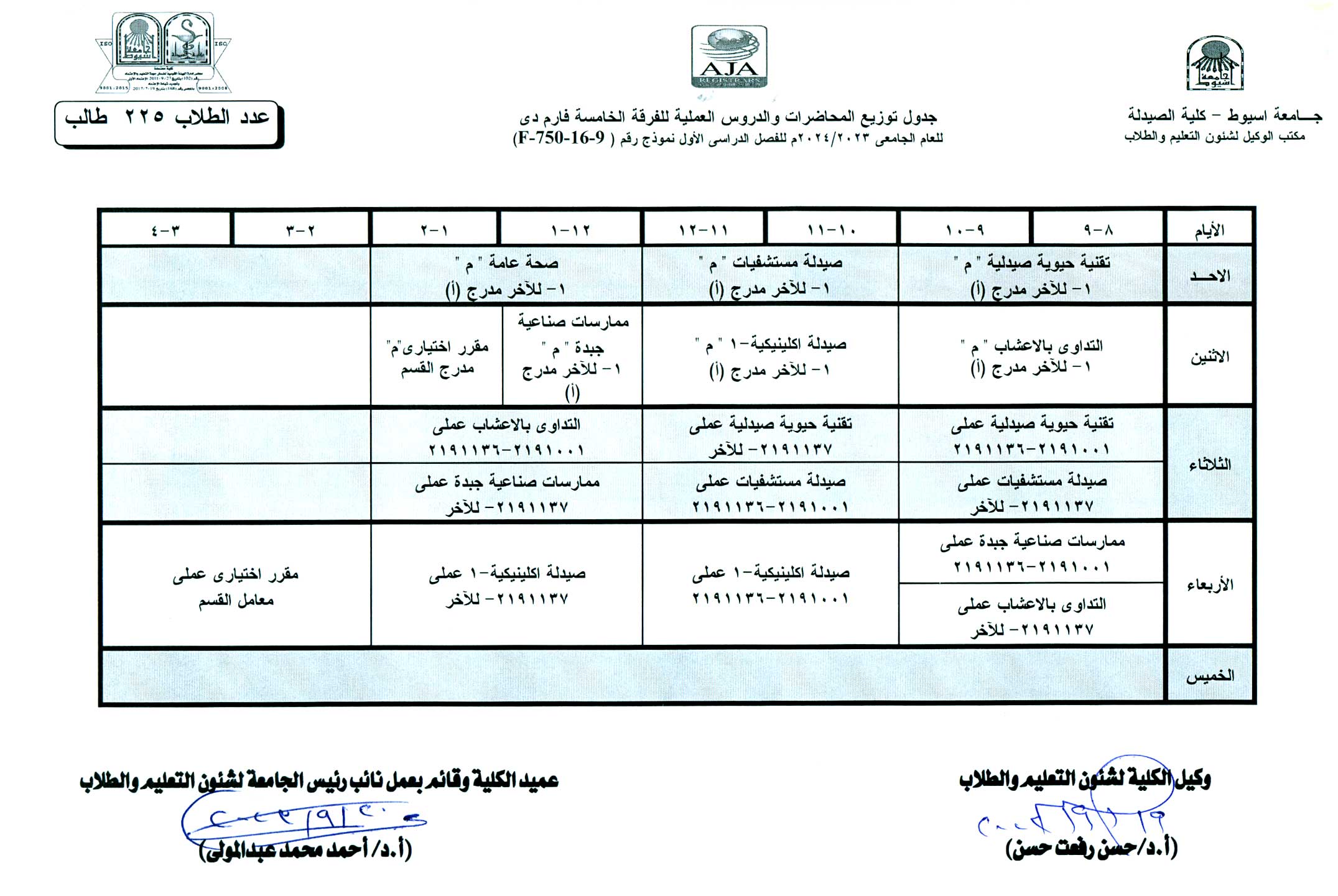
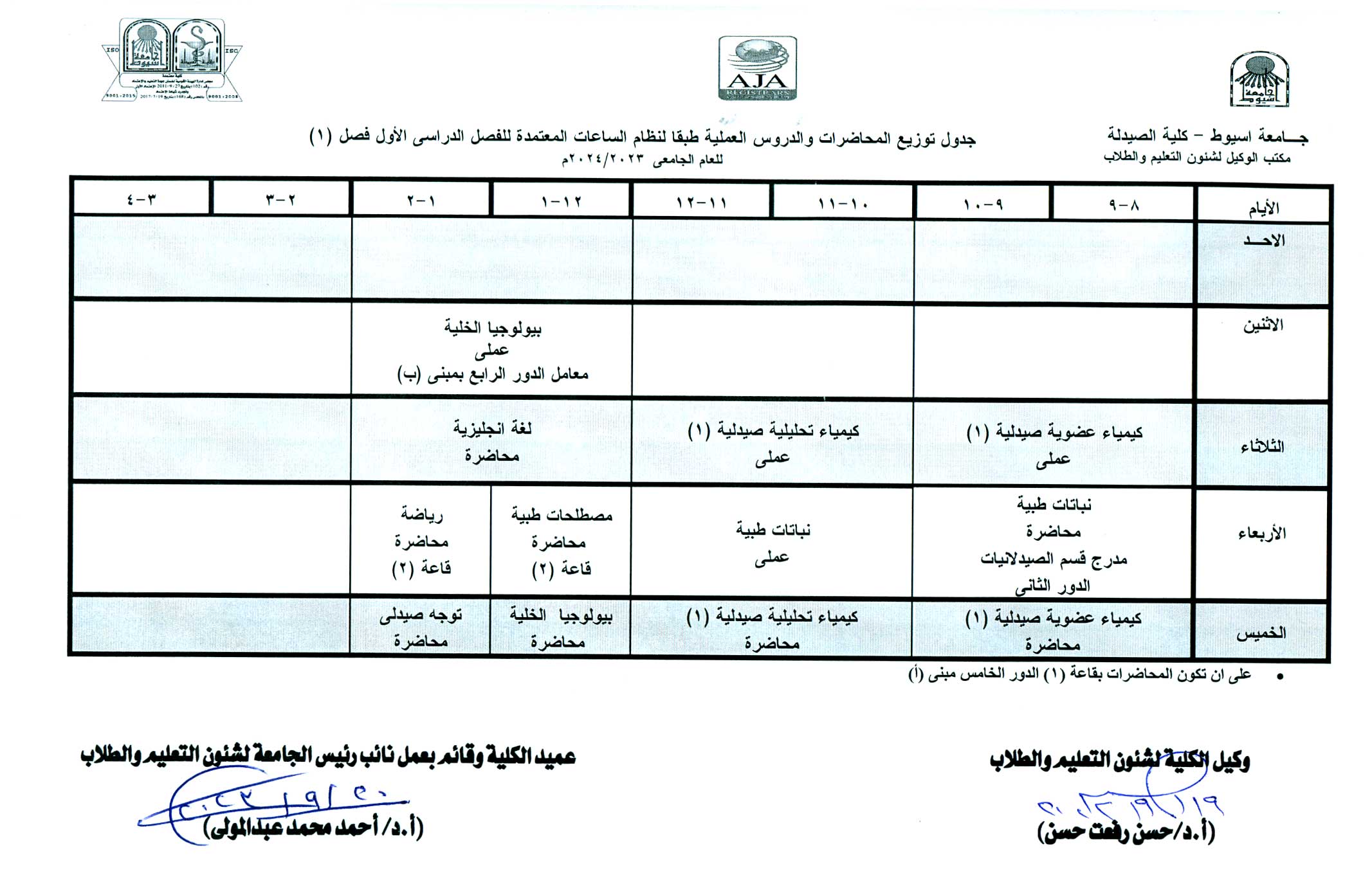
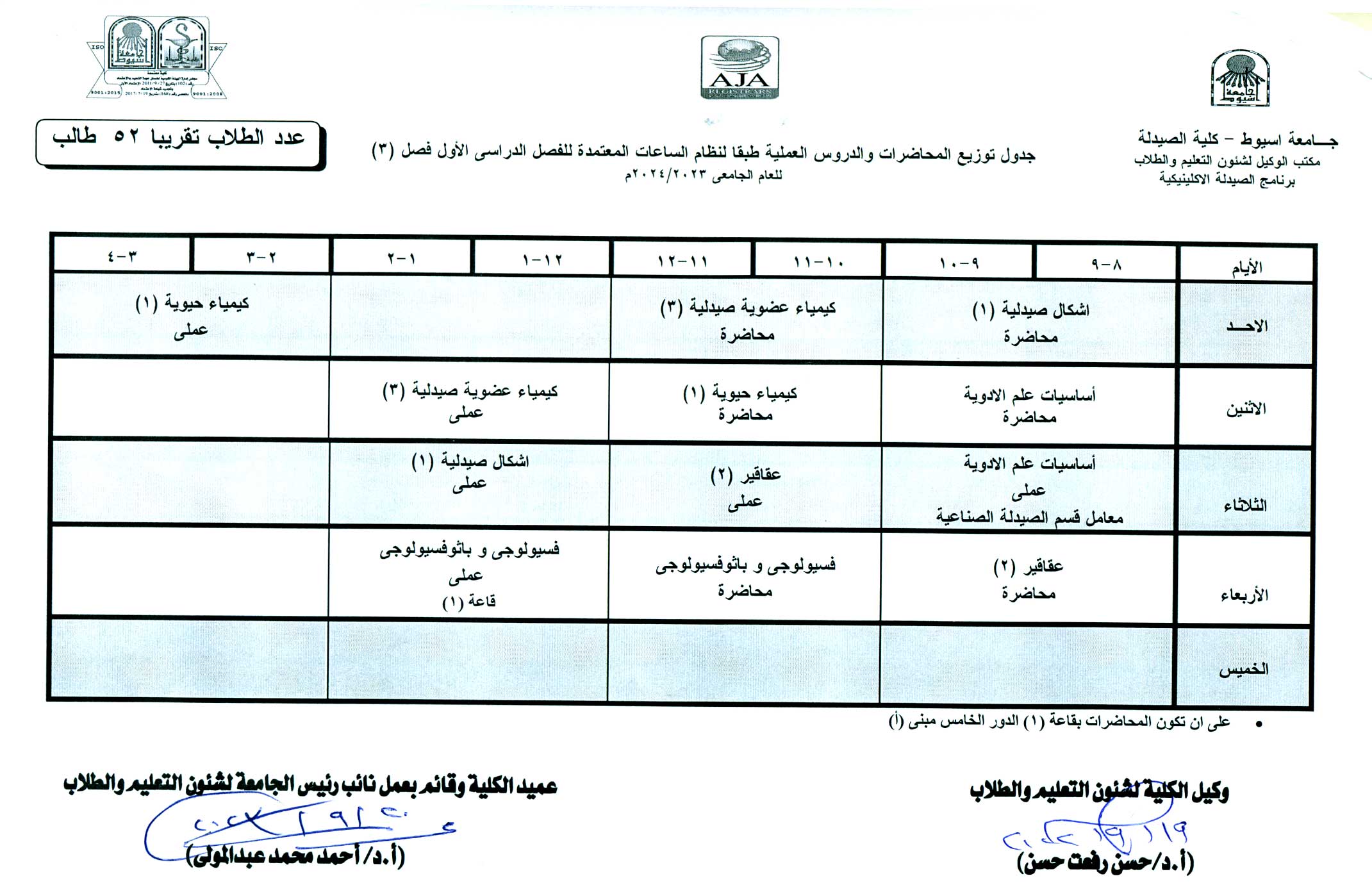
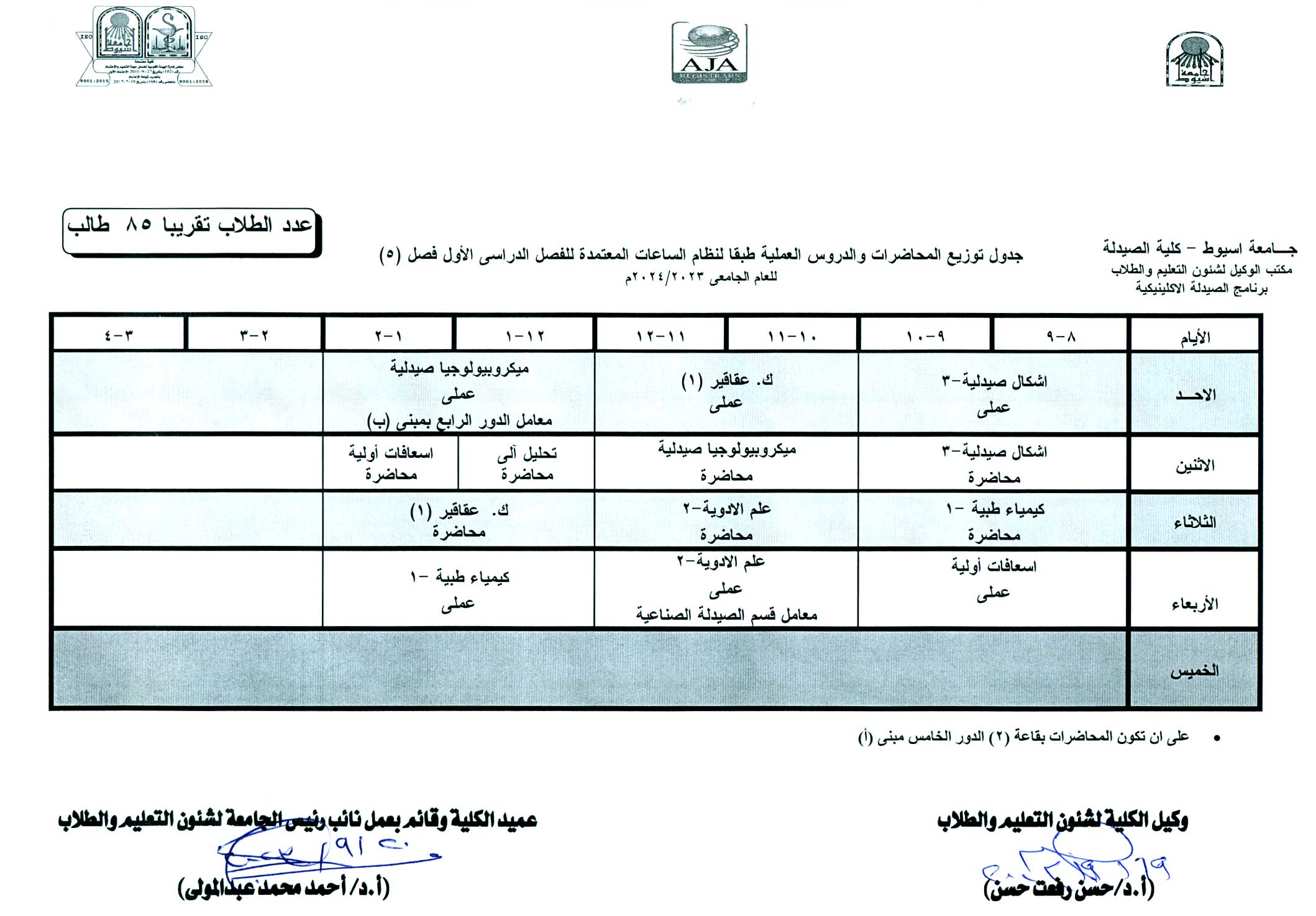
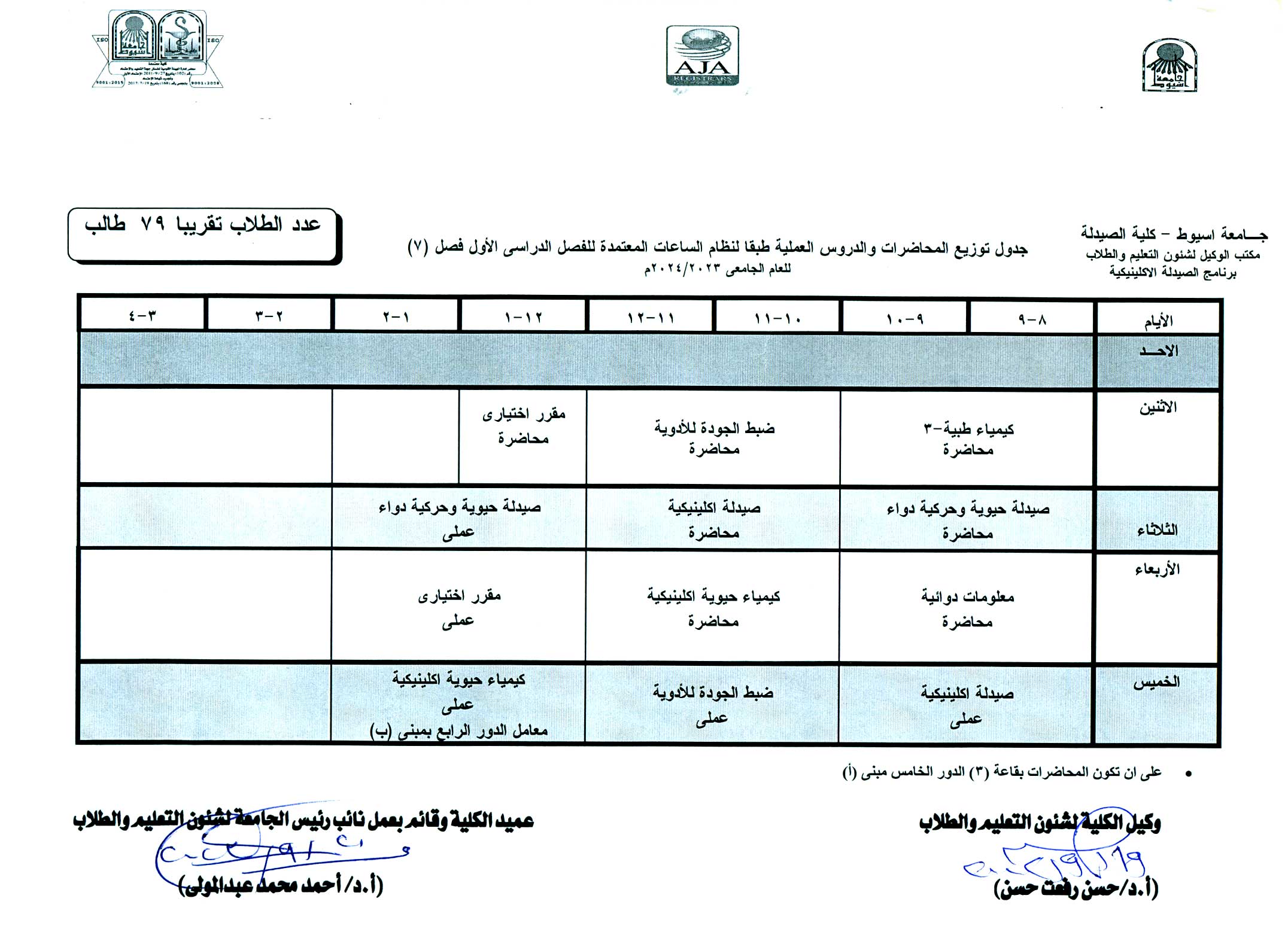
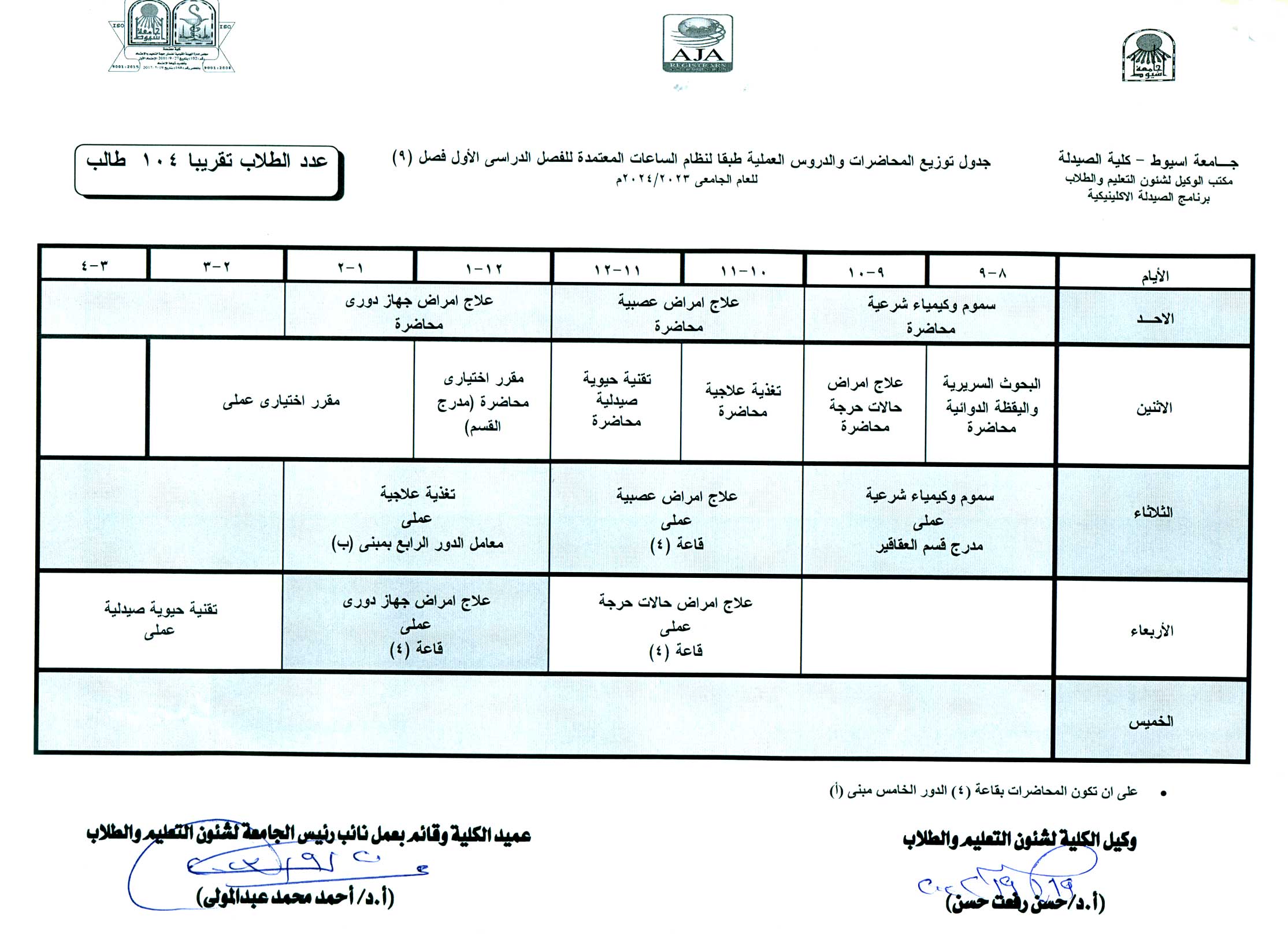
اضغط لتحميل جدول برنامج الصيدلة الاكلينيكية

 Do you have any questions? (088) 2080369 - 2345622 Pharmacy_QAAU@pharm.aun.edu.eg
Although burn wound management in medical practice has improved, the challenge still exists and demands multidisciplinary participation. Wheat has been extensively used as a remedy of different skin conditions especially burns in almost all parts of Italy. However, the mechanism is still unclear.
To examine the effects of different wheat bran extracts on the healing of burn wound estimated grossly, histopathologically, and immunologically.
Wistar male rats were divided into 5 groups; (control) saline treated group, Mebo (Moist Exposed Burn Ointment), cold water extract, hot water extract and methanolic extract groups. After the burn, four groups from the experimental groups were treated with Mebo, cold water extract, hot water extract and methanolic extract, respectively, but the negative-control group was treated daily with saline only. The observation was made along days 0, 5, 9, 13, 17 and 21. At the end of the study, rats were sacrificed, and blood samples were collected for biochemical and cytokines estimation in addition to wound samples were collected for histopathological and immunohistochemical studies.
The histopathological examination showed that the inflammation was significantly decreased in all extract-treated groups when compared with saline and Mebo-treated groups. Epithelial tissue and granulation tissue formation most significantly appeared in the cold water extract-treated group.
Cold water and methanolic extract groups showed the most rapid and effective healing of the burn wound. Particularly the cold water extract, due to the sufficient concentration of zinc and phenolic components.
Candida species are one of common opportunistic pathogens in humans. Detection of antifungal resistance between candida species become increasing, a great interest in creating new antifungals utilizing natural sources like plant essential oils (EOs) .
This study aimed to evaluate the effect of EOs of selected plants on Candida species growth, transition, and biofilm formation as well on the expression levels of certain virulence genes.
Patients and methods: Fifty candida isolates were collected from napkin dermatitis and oral candidiasis patients, different Candida species were identified phenotypically. Essential oils for some medicinal plants (basil, clove, garlic, and peppermint) were extracted by hydro-distillation. Their antifungal activity was assessed by minimal inhibitory concentration methods. In addition the effect of EOs on different Candida ultrastructure was detected by scanning electron microscope, the antibiofilm characteristics were examined by microtiter plate method. The ability of tested EOs to interfere with transition of candida from blastopore to hyphae form was evaluated. The effect of basil and clove oils on various virulent genes was determined by analyzing the expression levels of HWP, ALS3, SAP3 genes by RT-PCR.
Results: C. albicans was the most prevalent species. For all tested Candida isolates, the EOs displayed a high antifungal activity. The EOs decreased the Candida transition, disrupted the Candida ultrastructure and suppressed their ability of biofilm formation, clove oil exposure significantly downregulated the expression of HWP1, ALS3 and SAP3 genes, in addition basil oil downregulated the expression of ALS3 and SAP3.
Malaria as an infectious disease is one of the world's most dangerous parasitic diseases. There is an urgent need for the development of new antimalarial drugs. Natural products are a very rich source of new bioactive compounds. Our research aims to shed light on the recent studies which demonstrated the antimalarial potential of phenylpropanoids as a major natural-products class. This study involves an in silico analysis of naturally-occurring phenylpropanoids and phenylethanoids which showed 25 compounds with moderate to strong binding affinity to various amino acid residues lining the active site; P. falciparum kinase (PfPK5), P. falciparum cytochrome bc1 complex (cyt bc1), and P. falciparum lysyl-tRNA synthetase (PfKRS1); of Plasmodium falciparum parasite, a unicellular protozoan which causes the most severe and life-threatening malaria. Furthermore, the study was augmented by the assessment of antiplasmodial activity of glandularin, a naturally occurring dibenzylbutyrolactolic lignan, against chloroquine-sensitive 3D7 strain of P. falciparum using SYBR green I-based fluorescence assay, which showed high antimalarial activity with IC50 value of 11.2 μM after 24 hours of incubation. Our results highlight phenylpropanoids and glandularin in particular as a promising chemical lead for development of antimalarial drugs.
Cancer poses a health threat, with an increased incidence worldwide. Thus, it is essential to develop new natural anticancer agents. Dypsis pembana (H.E.Moore) Beentje & J.Dransf (DP) is an ornamental plant belonging to the family Arecaceae. This study aimed to isolate and identify phytoconstituents from the leaves of this plant and evaluate their in vitro cytotoxic activities.
Different chromatographic techniques were applied to fractionate the hydro-alcoholic extract of DP and separate the major phytoconstituents. The isolated compounds were structurally elucidated based on their physical and spectroscopic data. The in vitro cytotoxic activities of the crude extract and fractions thereof were evaluated against human colon carcinoma (HCT-116), human breast carcinoma (MCF-7), and human hepatocellular carcinoma (HepG-2) cell lines via MTT assay. Moreover, selected isolates were tested against HepG-2 cell line. Molecular docking analysis was performed to investigate the interactions of these compounds with two potential targets, the human topoisomerase IIα and cyclin-dependent kinase 2 enzymes.
Thirteen diverse compounds were reported for the first time from DP, providing significant chemotaxonomic biomarkers. Among tested compounds, vicenin-II (7) was the most cytotoxic against HepG-2 cell line, with an IC50 value of 14.38 µg/mL, followed by isovitexin (13) (IC50 of 15.39 µg/mL). These experimental findings were complemented by molecular docking, which demonstrated that vicenin-II exhibited superior enzyme-binding affinities to the studied vital targets and shed light on the structure–activity relationships among the investigated flavone-C-glycosides members.
The phytochemical profile of DP was characterized for the first time, reflecting chemotaxonomic data about the concerned species, genus, or even the family. Biological and computational findings revealed that vicenin-II and isovitexin are possible lead structures as inhibitors of the human topoisomerase IIα and cyclin-dependent kinase 2 enzymes.

?
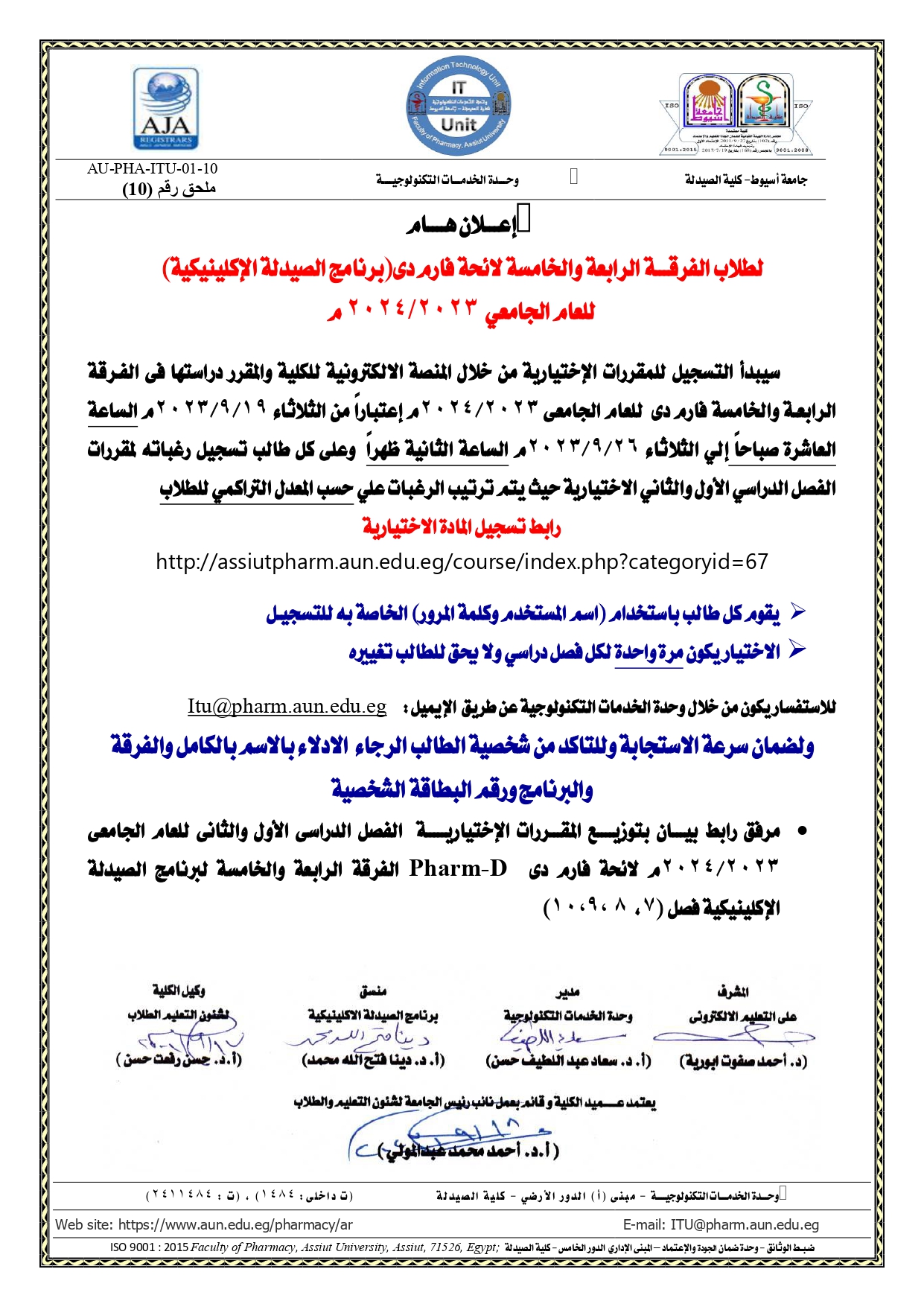
اضغط للدخول إلى بيــان بتوزيــع المقــررات الإختياريـــة
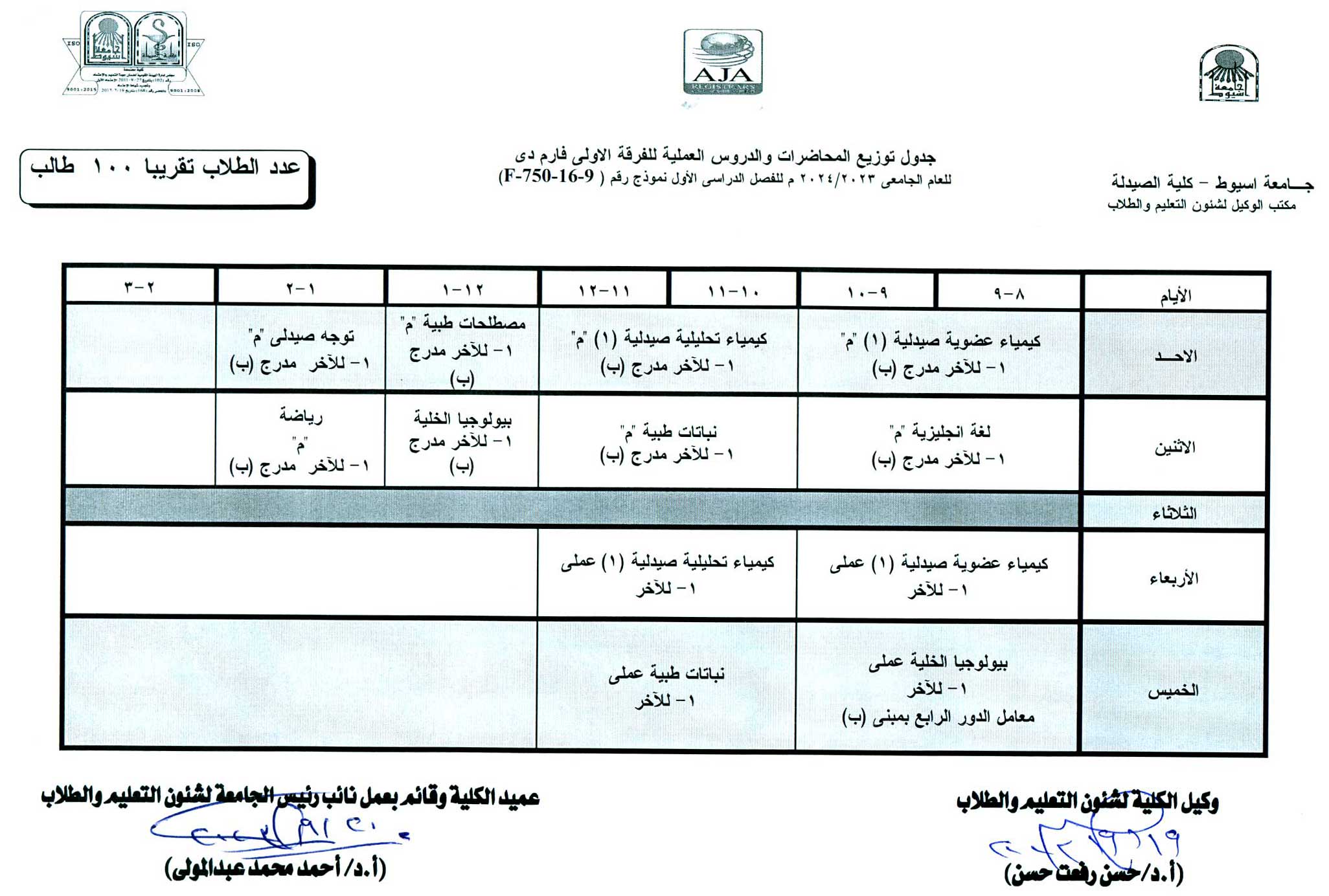
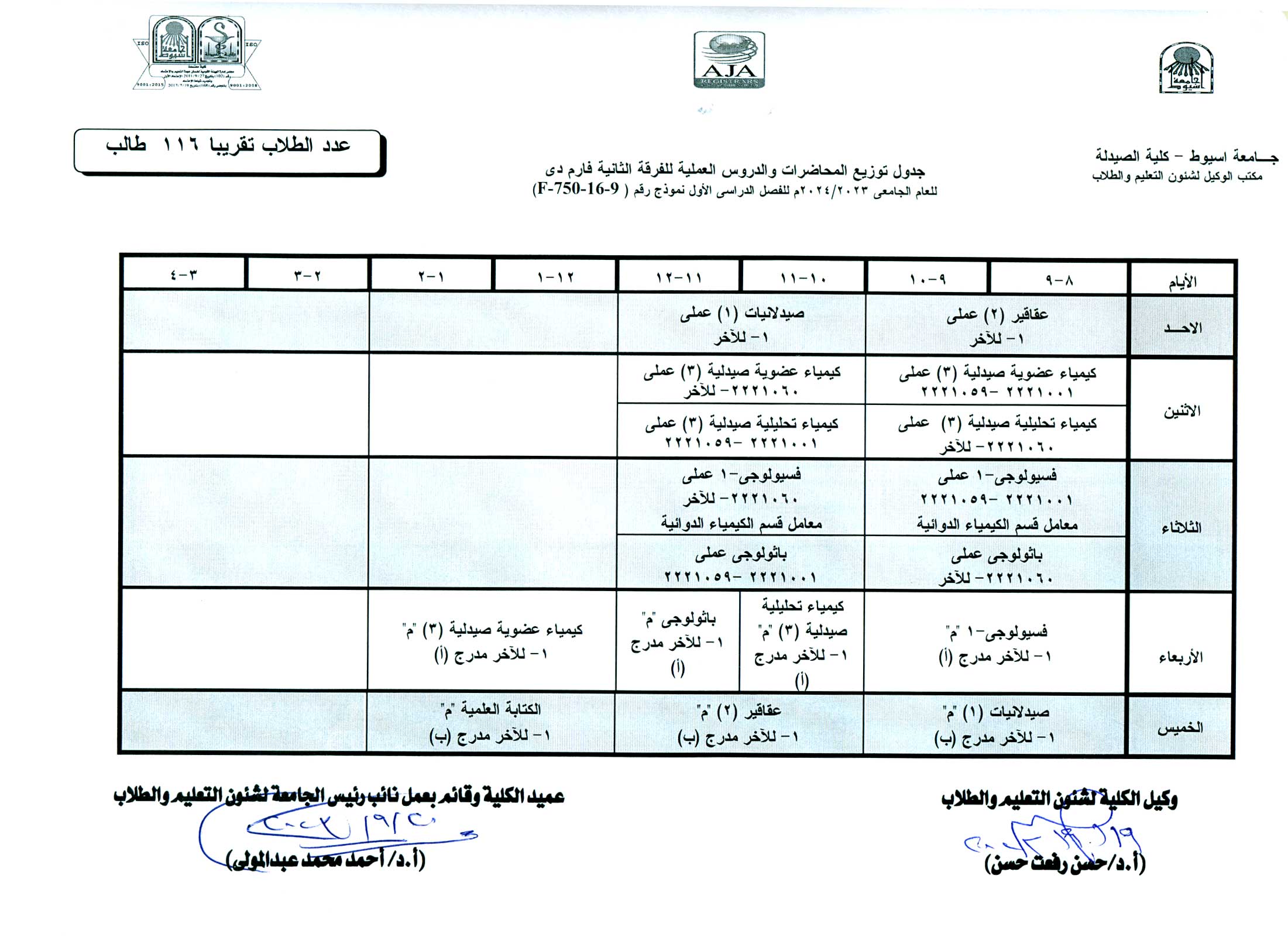
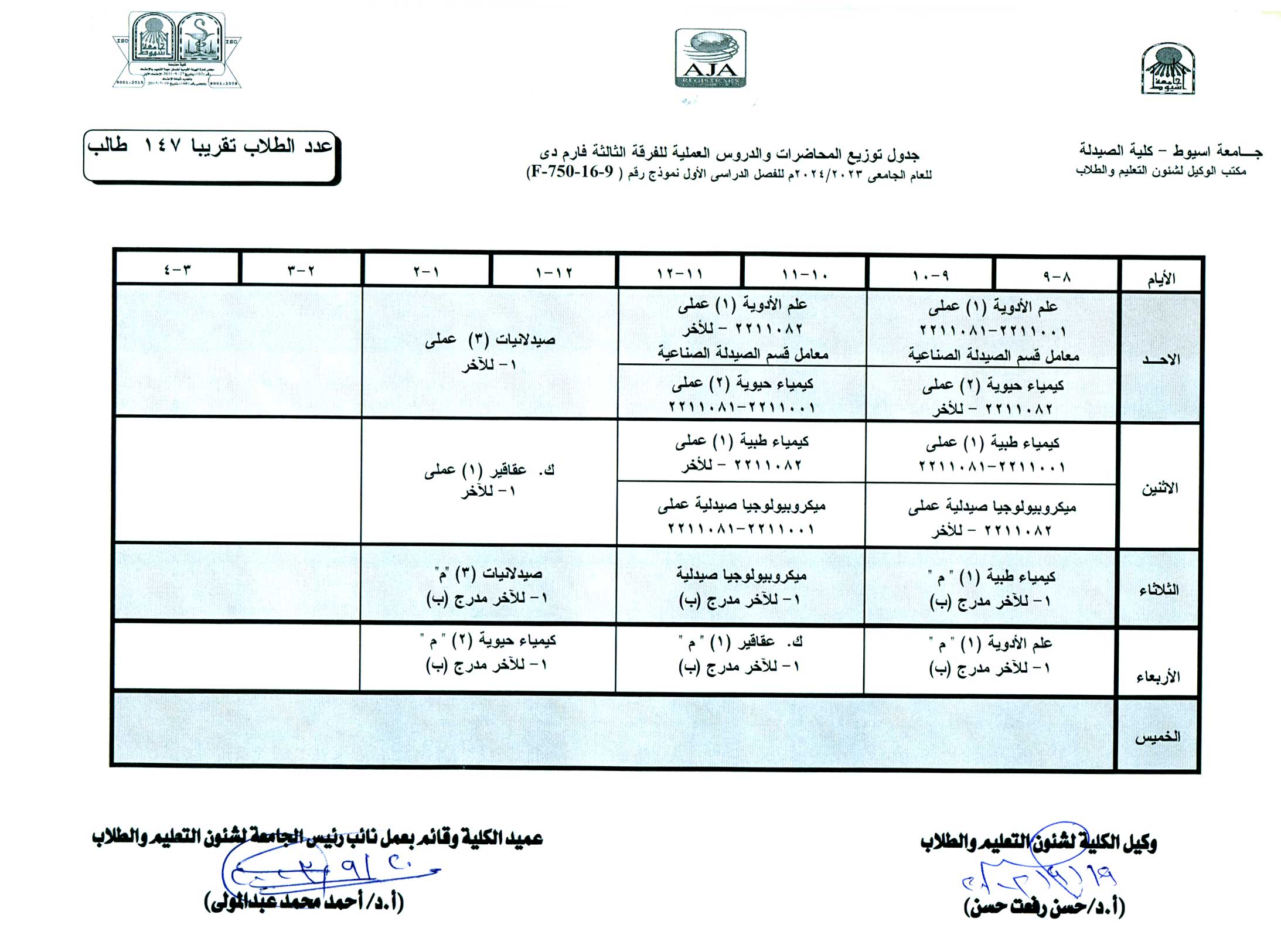
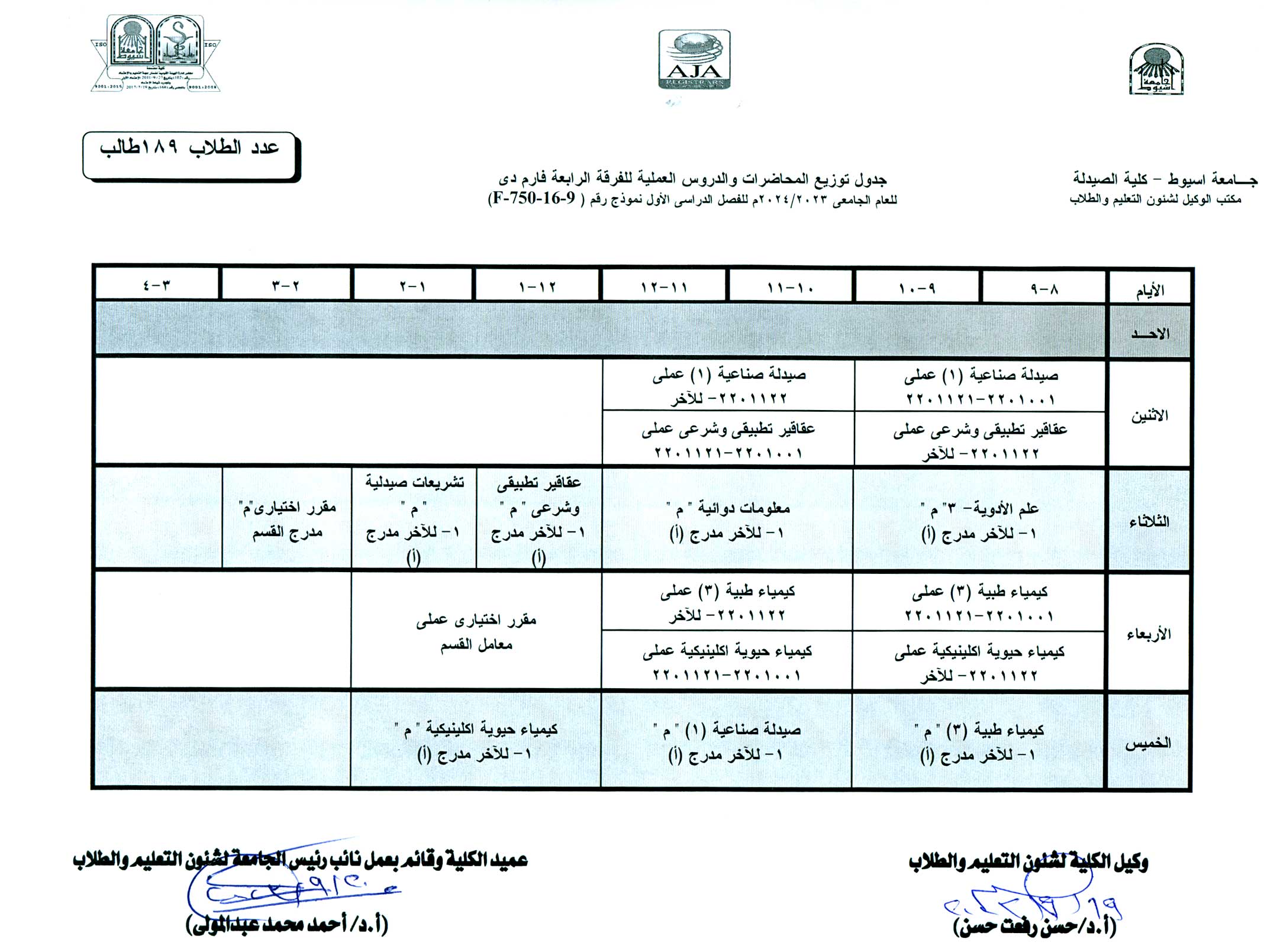
لائحة فارم دى برنامج الصيدلة الاكلينيكيةPharm-D
الفصل الدراسى الأول والثانى العام الجامعى 2023/2024م
?
رابط تسجيل المادة الاختيارية الفرقـــة الرابعة والخامسة لائحة فارم دى(برنامج الصيدلة الإكلينيكية)
http://assiutpharm.aun.edu.eg/course/index.php?categoryid=67
?
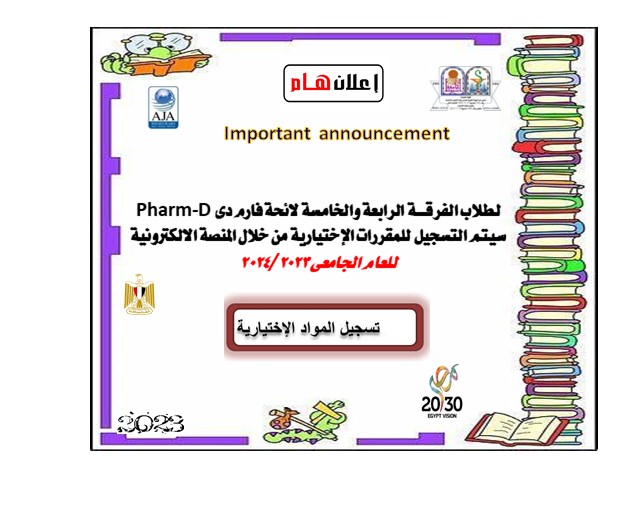
اضغط للدخول إلى بيــان بتوزيــع المقــررات الإختياريـــة
الفصل الدراسى الأول والثانى العام الجامعى 2023/2024م
?
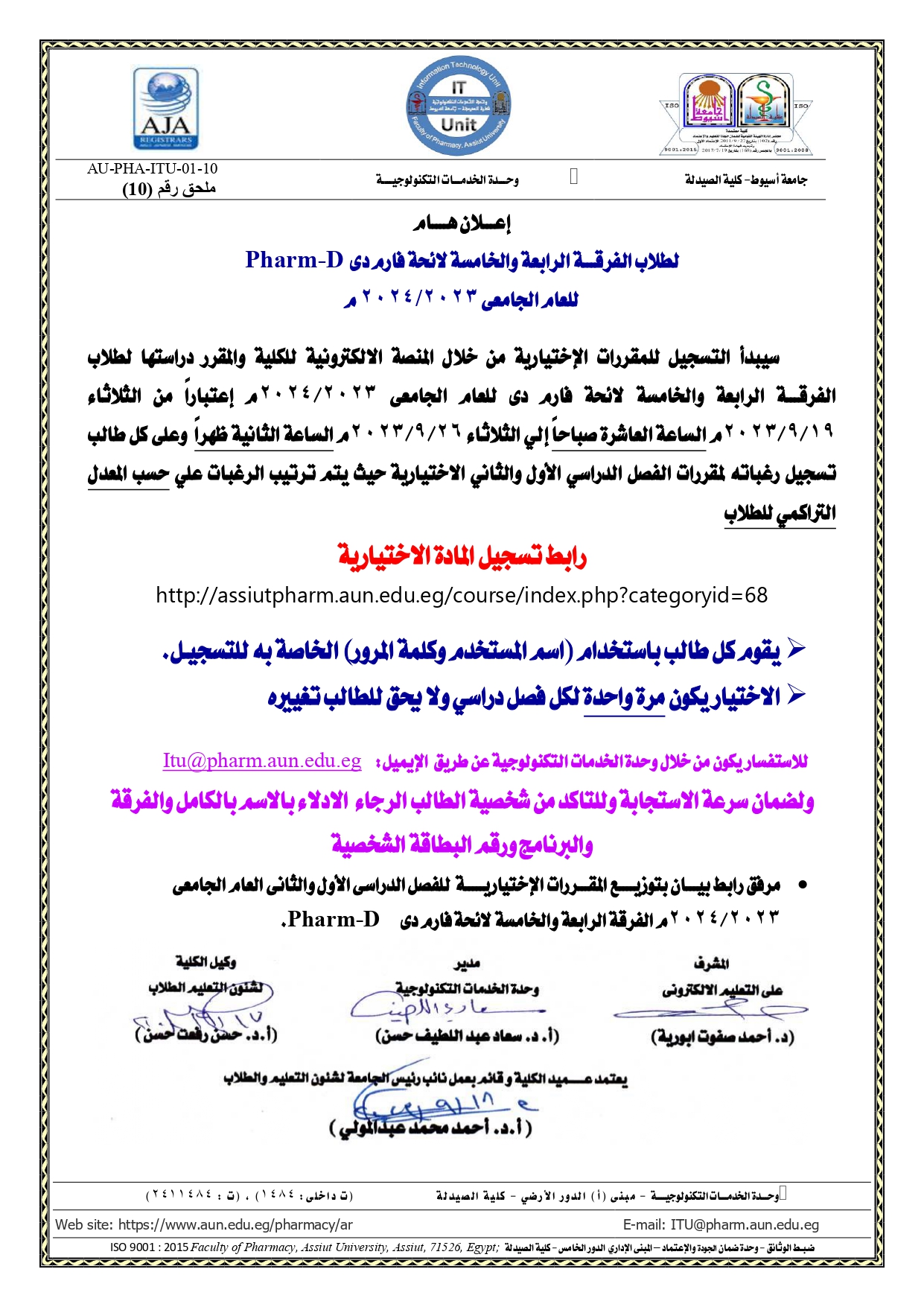
رابط تسجيل المادة الاختيارية الفرقـــة الرابعة والخامسة لائحة فارم دى Pharm-D
http://assiutpharm.aun.edu.eg/course/index.php?categoryid=68
Quercetin is a bioactive flavonoid widely used as a health supplement. Quercetin was formulated in different dermatological preparations
as gel, emulgel and microemulsion gel. Different gel bases were used for the preparation of quercetin gel as sodium carboxymethylcellulose
(NaCMC), Carbopol 934 and Pluronic F-127. Also different formulae of both emulgel and microemulsion gel were prepared using different gel
bases and surfactants. These formulations were evaluated for their drug content, in vitro release of the drug from cellophane membrane and skin
permeability through hairless mouse skin. The antibacterial activity against Gram positive and Gram negative organisms was also studied. The
results of the drug release indicated that the highest release was obtained from the microemulsion gel followed by gel and emulgel, respectively.
The same results were obtained for drug penetration through hairless mouse skin. Analysis of the data according to different kinetic mechanisms
revealed that the release pattern of the drug from the tested bases followed zero-order and the Higuchi diffusion model. Results also indicated an
excellent activity against all tested organisms and the inhibition zone was dependent on the type of formulation used.