

– Commitment to Meaningful SDG Education for All Students
Assiut University – Education and Student Affairs, Community Service and Environmental Development Sector, and Center for Sustainable Development
Question 17.4.1 Does your university as a body have a commitment to meaningful education around the SDGs across the university, that is relevant and applicable to all students? |
Answer: YES | Assiut University has a university-wide commitment, set out in its SDG policy, to embed sustainability in the programmes and courses of every faculty. Through its Curriculum Refresh Programme, 344 undergraduate courses in 13 faculties and 997 graduate courses now address the SDGs, so that every student, whatever their field, meets sustainability concepts relevant to their discipline. Classroom learning is matched by student organisations, sustainability events, start-up projects and international programmes. |
1,341 sustainability-related courses (344 UG + 997 PG) | 13 faculties teaching undergraduate SDG courses | 26.8% of all courses embed sustainability | 26 sustainability-related start-up projects |
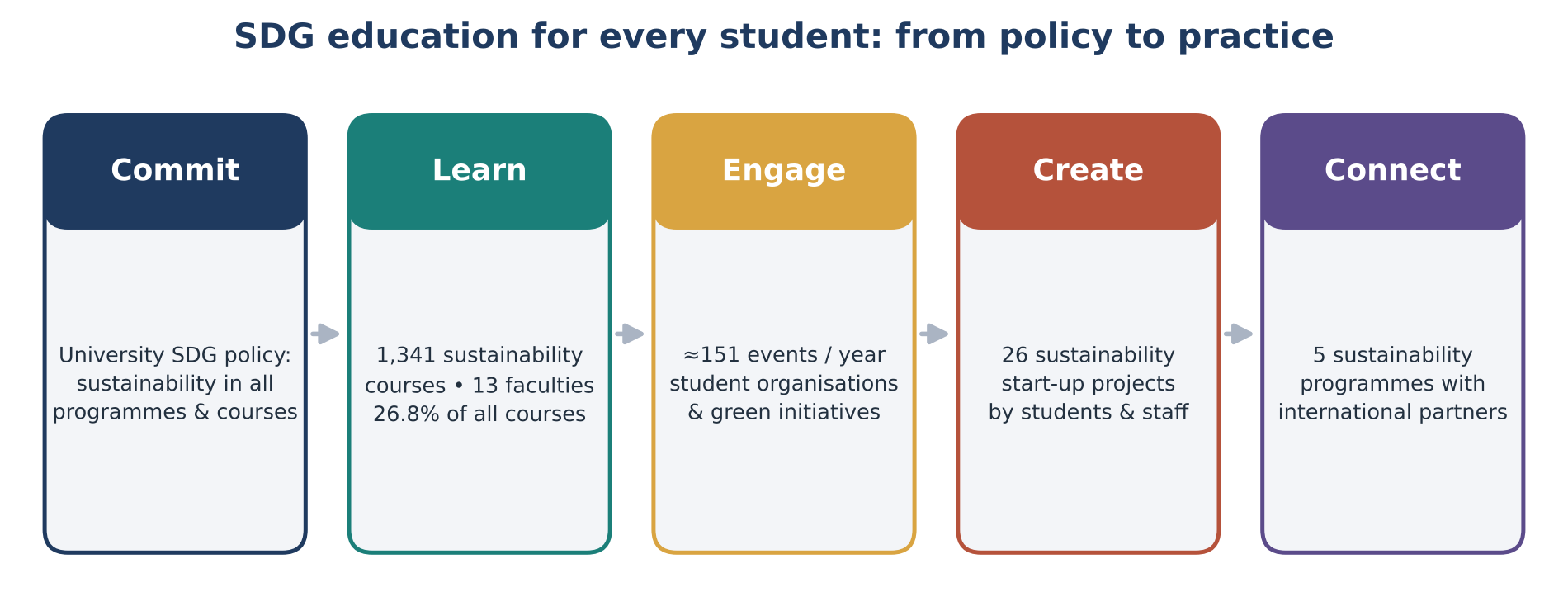
Figure 1. How the university delivers SDG education to every student
1. A university-wide commitment
- University SDG policy. Assiut University's policy for achieving the SDGs sets out educational policies that commit the university to embed sustainability concepts in the programmes and courses of all its faculties, to link graduation projects to sustainability, to set up research centres such as the Center for Sustainable Development, and to encourage students to take part in sustainability activities.
- Curriculum Refresh Programme. The university has embedded environmental, social and economic sustainability themes in undergraduate and graduate programmes across all faculties, so that every student, regardless of field of study, meets sustainability concepts relevant to their discipline. Courses count as sustainability-related when they align with the UN SDGs, deal directly with environmental or social sustainability, or build competencies needed for sustainability-focused careers.
- Measured and reported. Sustainability-related courses make up 1,341 of about 5,000 courses, or 26.8%. This ratio is tracked and reported every year as part of the university's UI GreenMetric submission (indicator ED1).
2. SDG education in every faculty
- Undergraduate level: 344 courses in 13 faculties. The subjects range from science, engineering and agriculture to law, commerce, nursing, physical education and the arts, so the content is relevant to each discipline. Examples:
- Law: Legal Protection of Air and Water; Environmental Procedures and Lawsuits (SDG 6, 16)
- Commerce: Environmental Economics; Production Systems and Environmental Problems (SDG 8, 12)
- Medicine: Environmental Health Basics; Primary Health Care and Introduction to Family Medicine (SDG 3, 6)
- Education: Education for Sustainable Development (SDG 4)
- Engineering: Water, Climate, and Energy Issues; Sanitary and Environmental Engineering (SDG 6, 7, 13)
- Specific Education: Art in the Environment and Society (SDG 11)
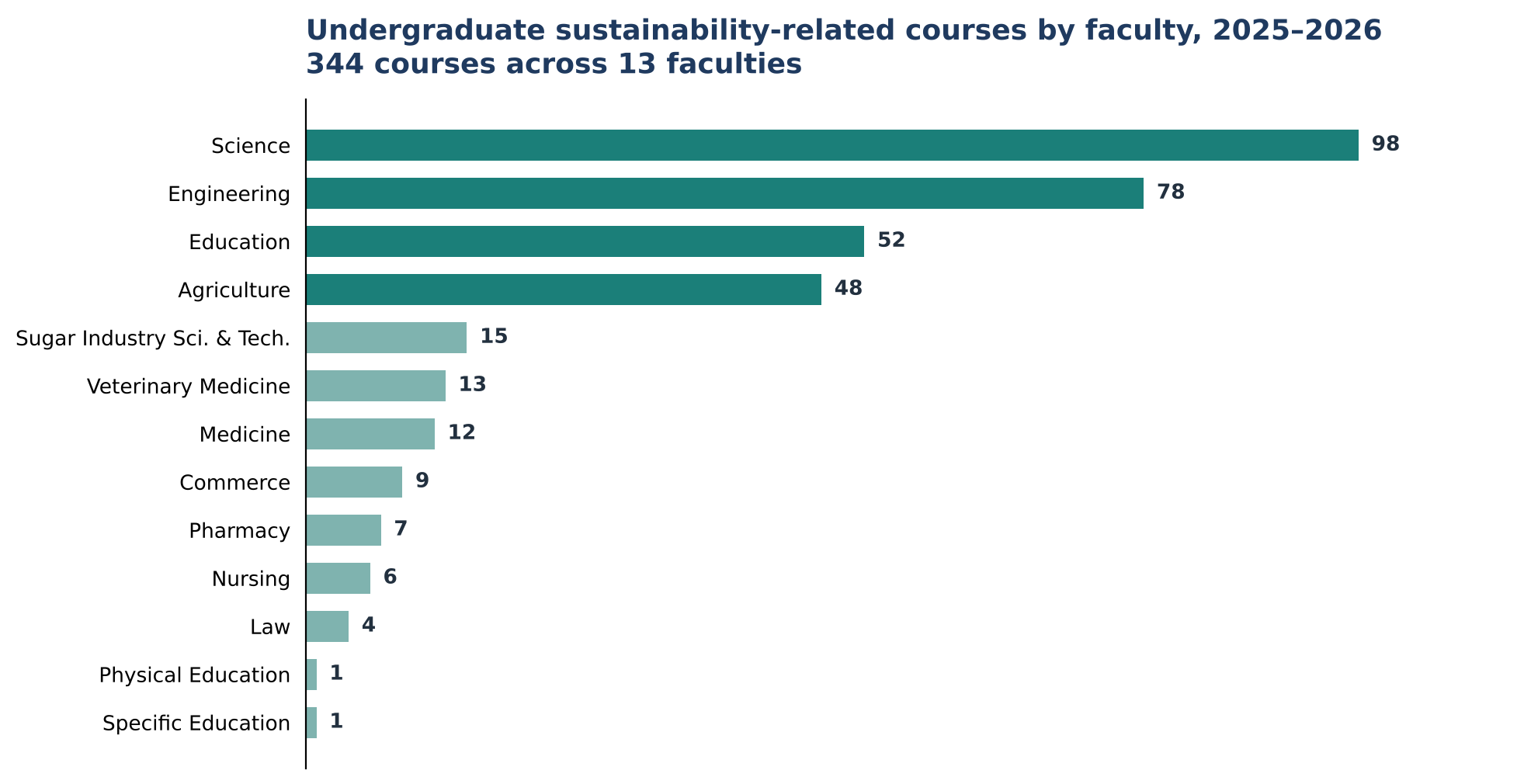
Figure 2. Undergraduate sustainability-related courses by faculty, 2025–2026
- Graduate level: 997 courses. Agriculture (282), Medicine (274), Science (214), Engineering (122) and Sugar Industry Science and Technology (105) offer advanced courses, SDG-focused research projects and interdisciplinary work with industry and community partners. Figures for the remaining faculties are being compiled.
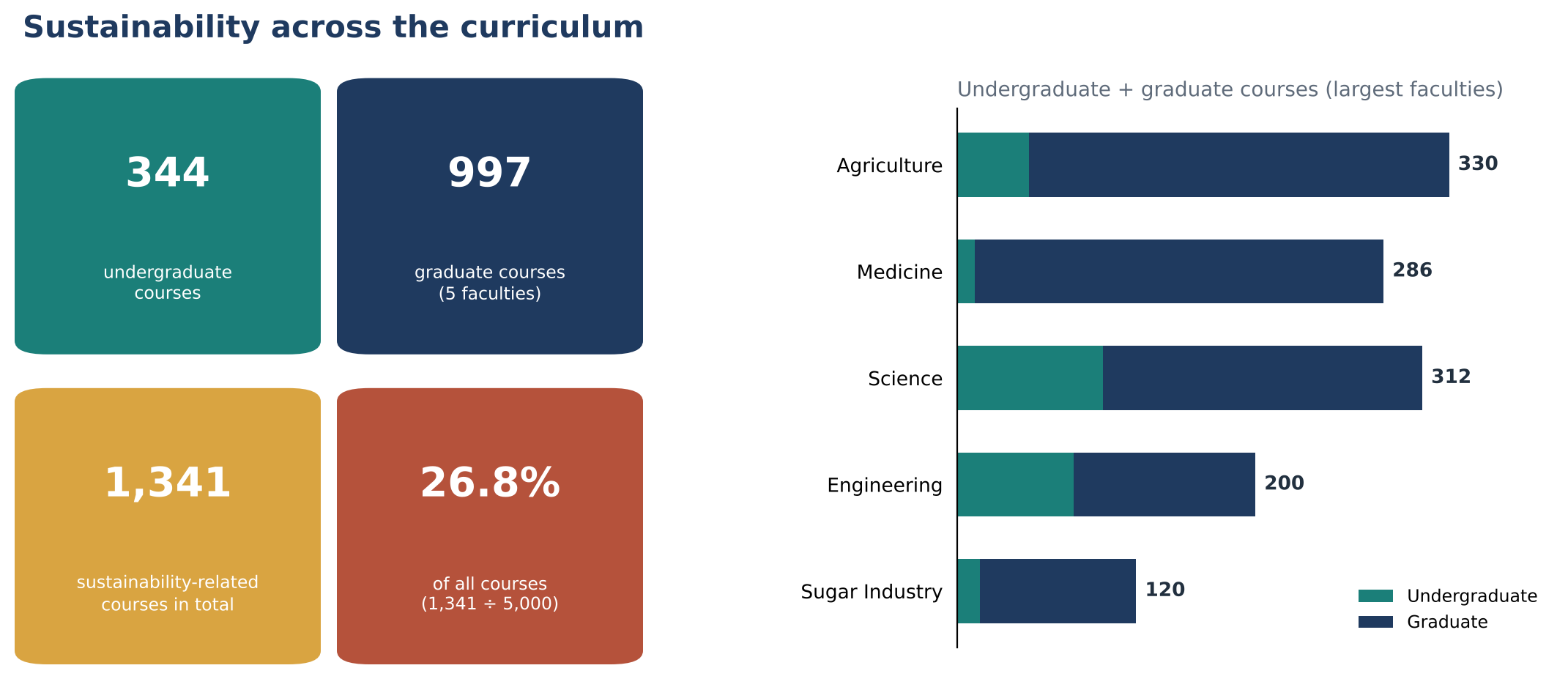
Figure 3. Sustainability across the curriculum: totals and the largest faculties
3. Learning beyond the classroom
- Sustainability events. The university organised 144 sustainability-related events in 2023, 158 in 2024 and 150 in 2025 (about 151 a year): conferences, seminars, workshops, awareness campaigns and training open to students.
- University-wide awareness. The seminar “The University: A Driver of Sustainable Development” (9 November 2025), organised by the Center for Sustainable Development, targeted deans, faculty members, staff and students and explained the 17 SDGs and the university's role in achieving them.
- Center for Sustainable Development training (March 2025). A plan of training courses, seminars and student programmes on the SDGs and Egypt Vision 2030, the green economy, and environmental, economic and social awareness, for students, staff and the community.
- Student organisations and initiatives:
- The Student Environmental League and the “Green Dream” conference for environmentally friendly projects (November 2023)
- Two “Green University” student teams won second and fourth place at Climathon Upper Egypt, organised by the Ministry of Environment with the EU and GIZ (October 2023)
- The 3rd Entrepreneurship Forum, “Entrepreneurship for a Sustainable Upper Egypt”, where student teams showed an electric vehicle and a drone (2024)
- The “Green Imprint” tree-planting initiative with students with disabilities and Agriculture students (November 2025)
- Inclusion activities with Al-Noor School for the Blind (October 2025) and the decoration of the pediatric dialysis unit at the Children's University Hospital (July 2025)
4. Turning learning into action: sustainability start-ups
The university supports 26 sustainability-related start-up projects. They apply what students learn to real SDG challenges, for example:
- Clean energy: electricity from footsteps; the “Energy for life” prototype
- Waste and circular economy: an app linking restaurant and hotel food waste to recycling factories; biochar from organic waste; packaging from agricultural waste; a smart waste bin
- Agriculture: a mobile marketplace for farm labour, machinery and livestock
- Health: a device to prepare tumour samples for early diagnosis; natural nano-cosmetics
- Sustainable cities: the EVER BLOOM green business hub; an electric rally car; a smart parking app; an eco-friendly house built from corn cobs
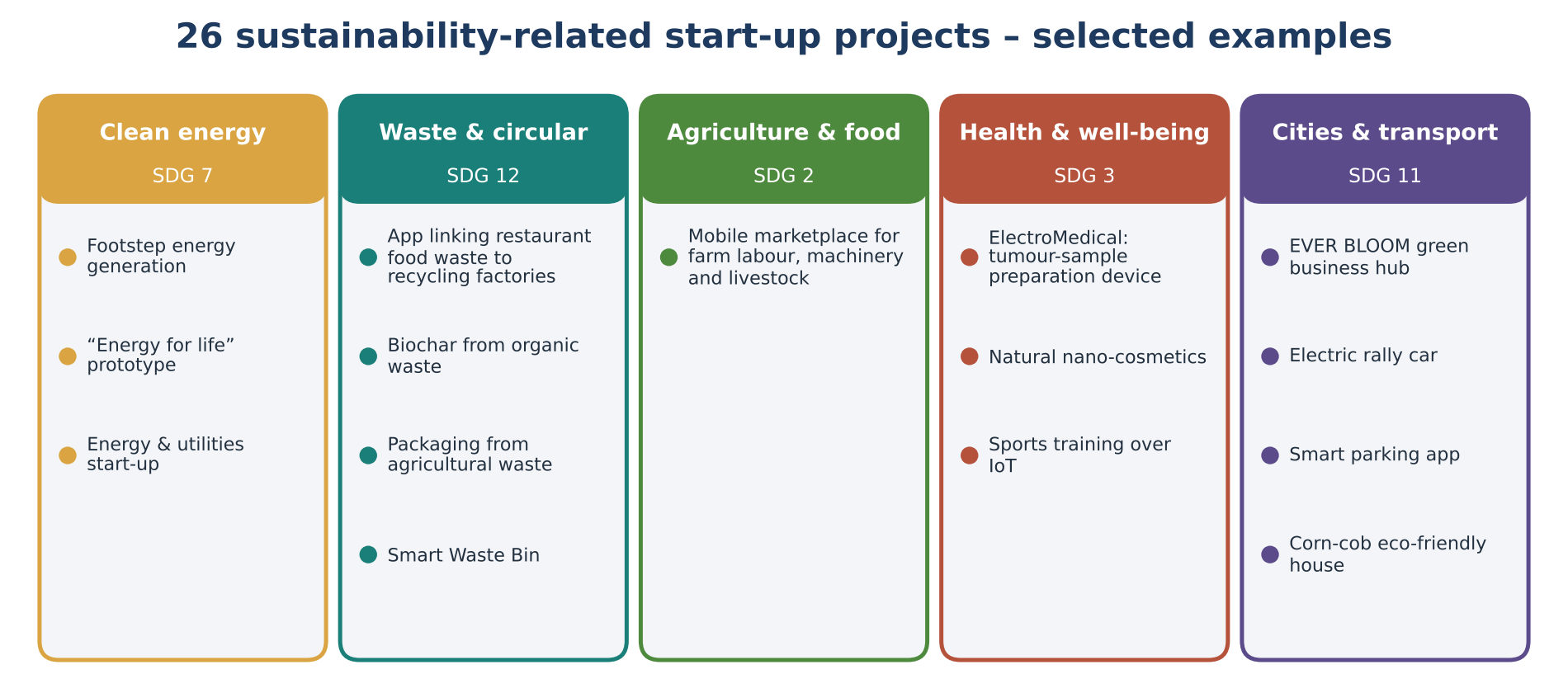
Figure 4. Selected sustainability-related start-up projects
5. International sustainability programmes
Five sustainability programmes involve international collaboration:
- Training programmes of the Center for Sustainable Development, with international organisations and academic institutions
- The university's framework of international partnerships for the SDGs in education, research, innovation, healthcare and community engagement
- Climate change and low-carbon projects with government and international partners, using frameworks such as the GHG Protocol
- International research collaborations on climate action, with joint supervision, scholarships and publications
- Faculty of Science cooperation with universities in Japan and France on sustainable development and environmental sciences
6. Evaluating the impact on students
A 2023 field study by the Faculty of Education surveyed 1,701 Assiut University students and found that the university plays a positive role in building students' sustainable development values, with technological and social values rated highest. The study also proposed ways to strengthen this role.
Sustainability courses by faculty (undergraduate)
Faculty | UG courses | Example course | SDG |
Science | 98 | Stock Assessment and Fisheries Management | SDG 14 |
Engineering | 78 | Water, Climate, and Energy Issues | SDG 6, 7, 13 |
Education | 52 | Education for Sustainable Development | SDG 4 |
Agriculture | 48 | Climate Change and Sustainability | SDG 13 |
Sugar Industry Science & Technology | 15 | Environmental Management Systems | SDG 12 |
Veterinary Medicine | 13 | Food Safety in Catering/Serving Establishments | SDG 2 |
Medicine | 12 | Environmental Health Basics | SDG 3, 6 |
Commerce | 9 | Environmental Economics | SDG 8 |
Pharmacy | 7 | Air Pollution | SDG 11 |
Nursing | 6 | The Impact of the Environment on Human Health | SDG 3 |
Law | 4 | Legal Protection of Air and Water | SDG 6, 16 |
Physical Education | 1 | Safety and Environmental Health | SDG 3 |
Specific Education | 1 | Art in the Environment and Society | SDG 11 |
Total | 344 | Plus 997 graduate courses in Agriculture, Medicine, Science, Engineering and Sugar Industry | — |
Evidence links
- Assiut University policy for achieving the SDGs
- Center for Sustainable Development training programmes (Mar 2025)
- Seminar “The University: A Driver of Sustainable Development” (Nov 2025)
- Study of 1,701 students on sustainable development values (2023)
- SDG 17 report 2025
- Climate change and low-carbon projects
- Faculty of Science international partnerships