14.3.1 -support and/or organise events aimed to promote conservation and sustainable utilisation of the oceans, seas, lakes, rivers and marine resources

SDG14
Details:


 - Nile River protection and sustainability seminar — 9 April 2025: Assiut University organized an awareness seminar in collaboration with CEMEX and the Ferry Nile environmental initiative. The event addressed Nile protection, sustainability and community engagement, including initiatives involving local fishermen. 

https://aun.edu.eg/main/index.php/assiut-university-organizes-awareness-seminar-protecting-nile-river-and-promoting-sustainability?


Nile-cleaning campaign — 10 April 2025: Approximately 40 university students participated in a campaign to remove plastic and solid waste from the Nile at Bosra village, Assiut Governorate. The campaign aimed to promote environmental awareness and protect water resources. 

https://aun.edu.eg/main/index.php/assiut-university-students-participate-campaign-clean-nile-river-bosra-village

Water sustainability awareness seminar — 14 April 2025: The University's Sustainable Development Center organized an event entitled “Water: The Resource of Life and the Wealth of the Future” to mark World Water Day, involving university representatives and charitable organizations working in the water sector. 

https://aun.edu.eg/main/ar/jamt-asywt-tnzm-ndwt-twwyt-bnwan-almyah-mwrd-alhyat-wthrwt-almstqbl-ahtfalaan-balywm-alalmy-llmyah

Aquatic ecosystem conservation: The Aquatic Animals Medicine Management Unit held seminars and on aquatic ecosystem conservation and sustainable management of marine and freshwater resources. 

https://aun.edu.eg/veterinary_medicine/Aquatic-Medicine-Unit/vision&mission


14.2.2 The University's on/off-campus sustainable management of fisheries, aquaculture and tourism educational programs

SDG14
Details:

Assiut University offers a diverse range of educational programs that promote sustainable development, including undergraduate and postgraduate courses such as Fish Biology (Z280) and Fish Farming (Z295). A key research and training hub within the university is the Aquatic Animals Medicine and Management Unit, which is dedicated to advancing sustainable fisheries and aquaculture practices. This unit provides specialized training in fish farming techniques, aquaculture system management, and molecular biology applications, ensuring that graduates and professionals are equipped with the scientific knowledge and practical skills needed to support food security and environmental sustainability. Additionally, the Department of Zoology and Entomology at the Faculty of Science is a cornerstone of Assiut University’s efforts to advance education and research related to sustainable management of fisheries and aquaculture. Moreover, the Faculty of Agriculture provided studies related to analyze the role of agricultural extension in developing the fisheries sector in Assiut Governorate.

(1) The Department of Aquatic Animals Medicine and Management 

The Department of Aquatic Animals Medicine and Management at the Faculty of Veterinary Medicine focuses on education and research related to the health and sustainable management of aquatic species within freshwater ecosystems. Its programs cover fish physiology, disease diagnosis and treatment, and best practices for aquaculture management. The department conducts applied research on water quality, pathogen control, and the impact of environmental changes on aquatic animal health, aiming to improve productivity and ensure ecological balance. Equipped with specialized laboratories and experimental facilities, it provides hands-on training for students and professionals in fish farming, aquatic veterinary care, and ecosystem monitoring. Through collaboration with fisheries, aquaculture enterprises, and environmental agencies, the department contributes to food security, biodiversity conservation, and the development of sustainable freshwater resource management strategies. The unit offers fish-farming/aquaculture training courses and educational seminars. 

article_179669_4fba1642f9ff406791dfca4635ac63a1.pdf

(2) The Department of Zoology and Entomology 

The Department of Zoology and Entomology at the Faculty of Science is a cornerstone of Assiut University’s efforts to advance education and research on freshwater ecosystems. Its academic programs cover a wide range of topics, including aquatic biodiversity, ecological interactions, and the impact of environmental changes on freshwater habitats. The department offers specialized courses such as Fish Biology and Fish Farming, equipping students with both theoretical knowledge and practical skills in aquatic sciences. Research activities focus on monitoring water quality, studying the physiology and behavior of aquatic organisms, and assessing the effects of pollution and climate change on ecosystem health. Modern laboratories and field stations enable hands-on training and advanced research using molecular biology, ecological modeling, and GIS technologies. Through collaborations with national and international institutions, the department contributes to sustainable fisheries management, conservation of aquatic biodiversity, and the development of strategies for ecosystem restoration. Community outreach programs and workshops further ensure that scientific knowledge is translated into practical solutions for local and national stakeholders.


(3) Faculty of Agriculture:

The faculty of Agriculture provided studies related to analyze the role of agricultural extension in developing the fisheries sector in Assiut Governorate, as it represents a key pillar for achieving food security and sustainable development. The research highlights the importance of agricultural extension in raising awareness among farmers and investors about best practices in fish farming, water resource management, and disease control in aquatic species. It also focuses on evaluating the effectiveness of current extension programs in improving productivity and resource efficiency.

The university discusses developing the fish production unit at Faculty of Agriculture farms and El-Ghareeb Farm, including its role in practical training for Agriculture students and sustainable agricultural development

https://aun.edu.eg/env_units/en/sector/node/43412?


(4) Community outreach and Parentship

In April 2025, Assiut University organized a seminar on protecting the Nile River and supporting the local community, in cooperation with CEMEX and the Ferry Nile environmental initiative. The initiative included a project concerned with improving the conditions of fishermen.

https://aun.edu.eg/main/index.php/assiut-university-organizes-awareness-seminar-protecting-nile-river-and-promoting-sustainability?

There is evidence of partnerships relevant to aquatic sustainability.

The 2025 Nile sustainability seminar involved:

  • Assiut University;
  • CEMEX;  
  • the Ferry Nile environmental initiative;
  • a project concerned with improving fishermen's conditions. 

The university also cooperate with government bodies such as the Ministry of Environment and Ministry of Water Resources and Irrigation in relation to freshwater management. 


14.2.1The University's on/off-campus fresh-water ecosystems educational programs

SDG14
Details:

Assiut University plays a pivotal role in advancing education and research on water-related issues, with a strong focus on freshwater ecosystems, modern irrigation techniques, water resource management, and conservation strategies. Through its specialized academic programs, research centers, and community outreach initiatives, the university seeks to address critical challenges in water sustainability and environmental protection. These efforts include offering training workshops for farmers and water professionals, conducting applied research to improve irrigation efficiency, and collaborating with governmental and non-governmental organizations to promote best practices in water management. By integrating scientific knowledge with practical solutions, Assiut University contributes to safeguarding water resources, supporting agricultural productivity, and fostering resilience in both local and national communities. Assiut University encompasses several specialized departments that deliver comprehensive education and conduct advanced research on freshwater ecosystems. These include the Department of Soils and Water at the Faculty of Agriculture, the Department of Geology at the Faculty of Science, the Department of Zoology and Entomology at the Faculty of Science, and the Department of Aquatic Animals Medicine and Management at the Faculty of Veterinary Medicine. Together, these departments contribute to understanding water resources, aquatic biodiversity, and sustainable management practices through interdisciplinary teaching and research. In addition, the Aquatic Animal Medicine Unit (AAMU) at the Faculty of Veterinary Medicine.

(1) The Department of Soils and Water

The Department of Soils and Water at the Faculty of Agriculture plays a critical role in advancing education and research in soil-water interactions and sustainable resource management. Its academic programs are designed to equip students with in-depth knowledge of soil properties, water dynamics, and modern irrigation techniques essential for agricultural productivity. The department conducts applied research aimed at improving water-use efficiency, combating soil degradation, and promoting environmentally friendly farming practices. Through collaborations with governmental agencies, local communities, and research institutions, it contributes to developing innovative solutions for water conservation and sustainable agriculture. Additionally, the department organizes training workshops and extension activities to transfer scientific knowledge into practical applications, ensuring that farmers and professionals are prepared to meet the challenges of water scarcity and climate change.

(2) The Department of Geology

The Department of Geology at the Faculty of Science is dedicated to advancing education and research in earth sciences with a strong emphasis on water-related studies. The department offers comprehensive programs that explore hydrogeology, groundwater resources, and the geological factors influencing freshwater ecosystems. Its research activities focus on assessing water quality, understanding aquifer systems, and developing strategies for sustainable groundwater management in arid and semi-arid regions. Equipped with modern laboratories and fieldwork facilities, the department provides students and researchers with practical skills and scientific expertise to address pressing challenges such as water scarcity, pollution, and climate-induced changes in water availability. Through partnerships with governmental agencies and environmental organizations, the department contributes to policy development and resource planning aimed at ensuring long-term water security.

(3) The Department of Zoology and Entomology

The Department of Zoology and Entomology at Assiut University provides comprehensive education and conducts advanced research on freshwater ecosystems. Its programs focus on understanding aquatic biodiversity, ecological interactions, and the impact of environmental changes on freshwater habitats. Through both theoretical and practical training, the department equips students and researchers with the skills needed to address challenges in water conservation, ecosystem management, and sustainable resource use.

(4) The Department of Aquatic Animals Medicine and Management 

The Department of Aquatic Animals Medicine and Management at the Faculty of Veterinary Medicine focuses on education and research related to the health and sustainable management of aquatic species within freshwater ecosystems. Its programs cover fish physiology, disease diagnosis and treatment, and best practices for aquaculture management. The department conducts applied research on water quality, pathogen control, and the impact of environmental changes on aquatic animal health, aiming to improve productivity and ensure ecological balance. Equipped with specialized laboratories and experimental facilities, it provides hands-on training for students and professionals in fish farming, aquatic veterinary care, and ecosystem monitoring. Through collaboration with fisheries, aquaculture enterprises, and environmental agencies, the department contributes to food security, biodiversity conservation, and the development of sustainable freshwater resource management strategies.


11.4.8 The University's build new buildings to sustainable standards

SDG11
Details:


11.4.8 The University's build new buildings to sustainable standards

Does your university as a body build new buildings to sustainable standards? (If "yes", are you following a national standard or body, e.g., the World Green Building Council, that certifies it? Please indicate.

Yes, the Faculty of Engineering at Assiut University proudly integrates principles of sustainable design across its buildings, serving as a practical model for green architecture. This is exemplified in both the historic structure on the Old Campus and the modern facility on the New Campus. These buildings are equipped with fundamental passive and active green systems, including self-ventilation systems to promote natural airflow, strategic daylighting to maximize the use of sunlight, and energy-efficient LED lighting throughout.

Beyond these core features, the buildings employ advanced technologies for superior energy management. This includes a periodic monitoring system for energy consumption to optimize efficiency, inverter-based air conditioners, and water heaters that significantly reduce electricity use.

*Min. at least five requirements for each building

No.

Name

Place

automation

automation

safety

safety

safety

safety

energy

energy

water

water

Indoor environment

Indoor environment

Indoor environment

Indoor environment

lighting

lighting

lighting

lighting

Building Area (m²)

No.

Name

Place

B1

B2

S1

S2

S3

S4

E1

E2

A1

A2

I1

I2

I3

I4

L1

L2

L3

L4

 
 University X; Building ACity, Country   

x

x

x


x


x

x

x


x

7860

 University X; Building BCity, Country   

x


X

X


X


x

x


X

3590


Total

Total


11450

Smart building implementation


*Total Building Area: 11,450 m2


Green Building Implementation - Overview Green Technologies implemented at the Environmental

GBI Non-Residential Existing BuildingBuilding (1)- old Campus

Building

(2) -Ne

Element 1. Energy EfficencyXX
Design G Performance  
Minimum EE Performance  
Lighting Zoning  
Electrical Sub-meteringXX
Renewable EnergyXX
Advanced or Improved EE Performance - BEI  
Commissioning  
Enhanced or Re-commissioningXX
On-going Post Occupancy Commissioning  
Monitoring, Improvement G Maintenance  
EE Monitoring & Improvement  
Sustainable MaintenanceXX
Element 2. Indoor Environmental Quality  
Air Quality  
Minimum IAQ Performance  
Environmental Tobacco Smoke (ETS) Control  
Carbon Dioxide Monitoring and ControlXX
Indoor Air Pollutants  
Mould Prevention  
Thermal Comfort  
Thermal Comfort: Controllability of SystemsXX
Air Change Effectiveness  
Lighting, Visual G Acoustic Comfort  
DaylightingXX
Daylight Glare ControlXX
Electric Lighting LevelsXX
High Frequency Ballasts  
External ViewsXX
Internal Noise Levels  
Verification  
IAQ Before/During Occupancy  
Occupancy Comfort Survey: Verification  

Element 3. Sustainable Site Planning G

Management

 X
Facility Management  
GBI Rated Design & Construction  
Building Exterior ManagementXX

Integrated Pest Management, Erosion Control &

Landscape Management

  
Transportation  

Green Vehicle Priority - Low Emitting & Fuel Efficient

Vehicles

  
Parking Capacity  
Reduce Heat Island Effect  
Greenery & Roof X
Building User Manual X
Element 4. Materials G ResourcesXX
Reused G Recycled MaterialsXX
Materials Reuse and Selection  
Recycled Content Materials  
Sustainable Materials G Resources and Policy  
Sustainable Timber  
Sustainable Purchasing Policy  
Waste Management  
Storage, Collection & Disposal of RecyclablesVV
Green Products  
Refrigerants & Clean Agents  
Element 5. Water EfficiencyXX
Water Harvesting G Recycling  
Rainwater HarvestingXX
Water RecyclingXX
Increased Efficiency  
Water Efficient - Irrigation/LandscapingXX
Water Efficient Fittings  
Metering & Leak Detection System  
Element 6. InnovationXX
Innovation & Environmental InitiativesXX
Green Building Index Facilitator  

11.4.9 -The University's brownfield building scheme

SDG11
Details:


Does your university, as a body, build on brownfield sites, where possible (brownfield sites are those where there has been previous, recent building)?

Yes,

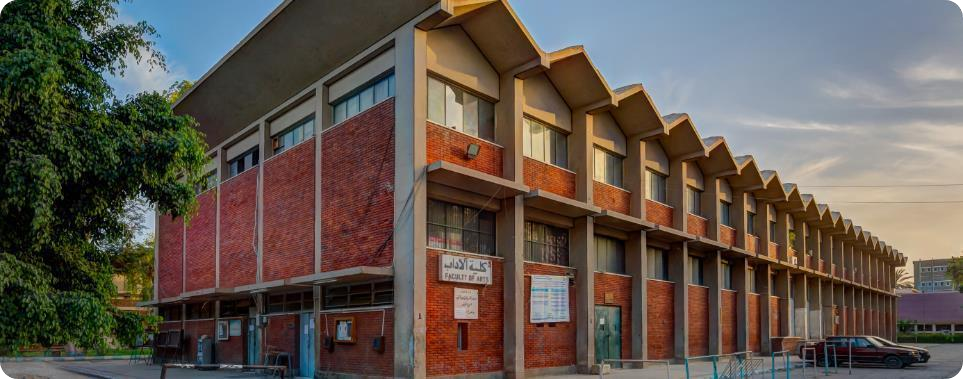
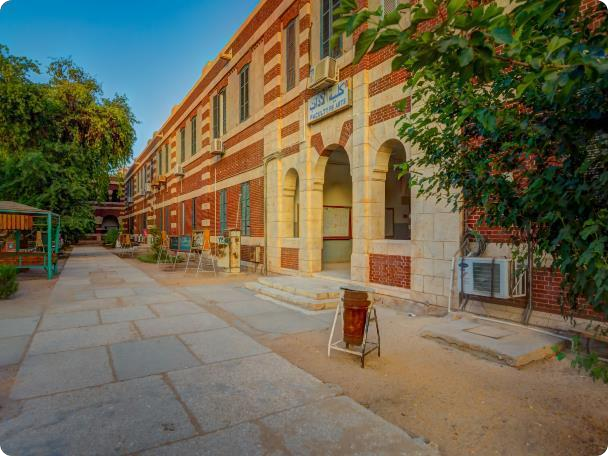
Faculty of Arts

History:

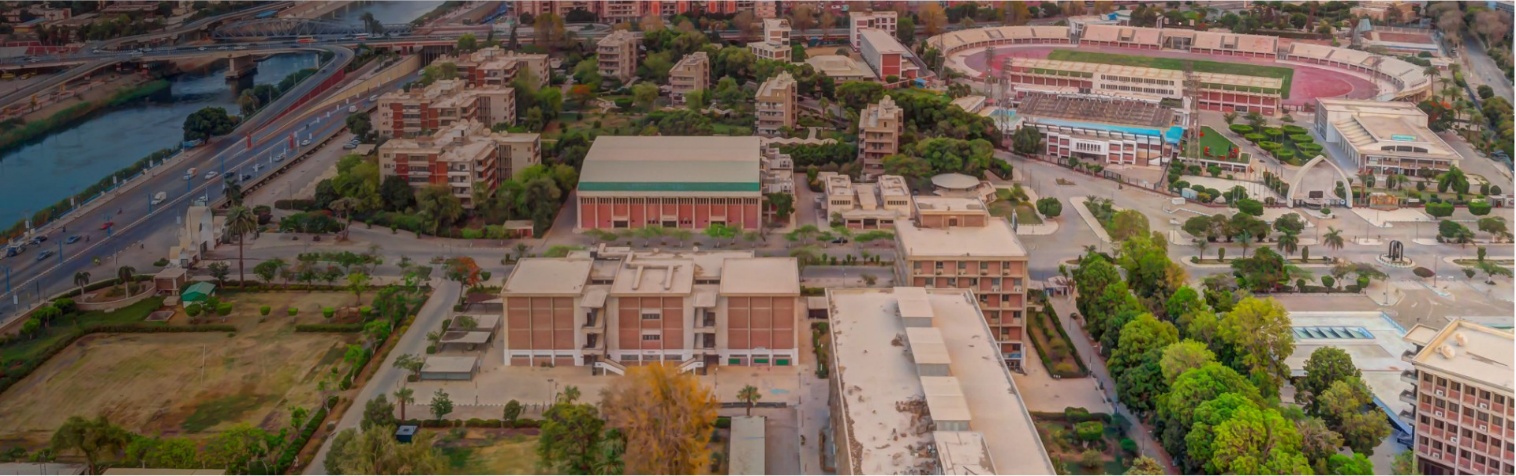
The Faculty of Arts at Assiut University represents great historical and archaeological value, as it has been established for more than a hundred years and is characterized by its architectural beauty. Learn about the distinguished history of the Faculty of Arts at Assiut University.

The first regional university in the Kingdom of Egypt was established to be based in Assiut, and its name is "Muhammad Ali University", after the issuance of Royal Decree No. 156 of 1948 during the reign of King Farouk I.

The university had only two faculties in 1957: the College of Science and the College of Engineering; in 1957 it was headed by Prof. Dr. Suleiman Hazeen. Repeated petitions from the people of Assiut to its governors to establish a college of arts led to Republican Decree No. 419 of 1995, to achieve the desire of the

people, and the college began to study in the college in the academic year 1996/1997. There were departments of Arabic, English, French, history, and geography, and then other departments were introduced, such as the Department of Sociology, the Department of Media, the Department of Psychology, the Department of Documentation and Libraries, and the Department of Philosophy.

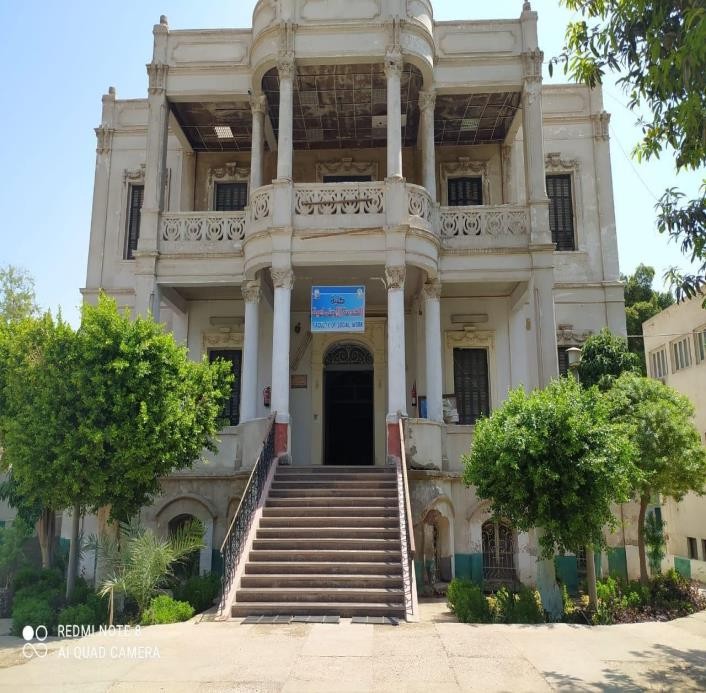
Faculty of Social Work History:

The Faculty of Social Work at Assiut University was established by Ministerial Decree No. 287 of 1995, and the main objective of establishing the Faculty is to prepare scientific cadres and develop them professionally in the field of professional practice of social work, as well as to conduct research and academic studies in social fields through cooperation with professional bodies to achieve social justice in society. The college participates in many service projects for the community, including training social workers in Assiut Governorate, and has participated in another project in the New Valley Governorate. The Faculty of Social Work seeks to prepare a graduate with experience and skills of high quality to keep pace with the rapid scientific and technological developments and can compete in the local and national labor market while providing the elements of continuous development of the educational process and upgrading it, as the college seeks to complete research and distinguished scientific studies that can solve the problems of the local community and achieve its well- being.

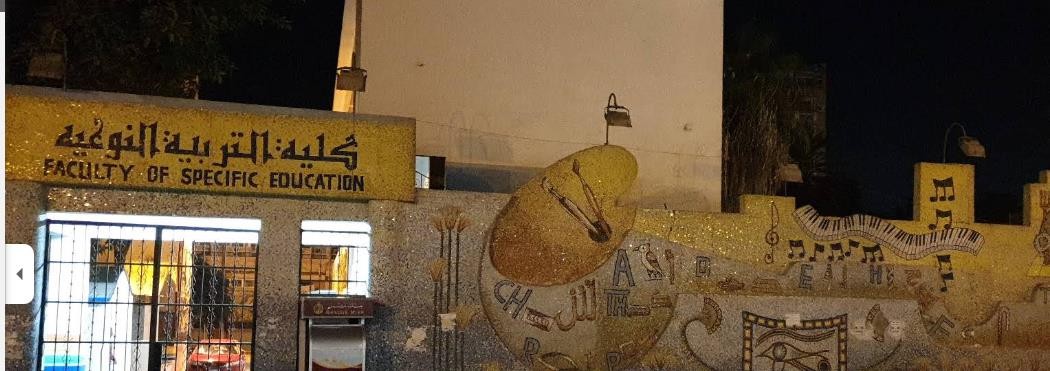
Faculty of Specific Education History:

The college was established by Resolution No. 1181 of 1989 dated 26/10/1989, and the study began in the academic year 1990/1991, and it was affiliated to the Ministry of Higher Education. Then it was annexed to Assiut University by Presidential Decree No. 329 of 1998, amending some provisions of the executive regulations of the Universities Organization Law.

The Faculty of Specific Education is one of the faculties of Assiut University and aims to prepare specialized teachers and qualified practitioners in the fields of music education, art education, and home economics, and to provide them with the skills required for the field of specialization; the faculty also uses its human resources and material capabilities in community service and environmental development.

The faculty seeks to be one of the tributaries of enlightenment and art in Egypt and works to build generations equipped with science and knowledge in various fields of specialization and able to improve the general taste of society and the surrounding environment.

Preparing specialized cadres in music education, art education and home economics qualified to teach and equipped with the necessary skills for the field of specialization. Preparing an artist capable of practicing, developing and innovating works of art in various disciplines of the faculty. Deepening the national belonging of college students through the study of the arts of ancient Egyptian civilizations and their characteristics. Developing the aesthetic values of the college students in a way that contributes to confronting visual and audio pollution. Working on developing the departments of the college to become houses of expertise capable of serving the community and developing the environment.

Faculty of Nursing History:

The Faculty of Nursing aims to provide care for individuals, families, and society; this is achieved through the promotion and maintenance of health, the prevention of diseases and the rehabilitation of patients; the Faculty of Nursing at Assiut University is also concerned with rehabilitation, a process that aims to enable persons with disabilities to reach and maintain optimal physical, sensory, intellectual, psychological and social

competence.

The Faculty of Nursing deals in collaboration with other medical professions in various contexts to meet societal needs using the nursing process, as a vital service in the health care delivery system.

The faculty recognizes its responsibility to prepare learners with the necessary skills in nursing, research, and leadership.

The Faculty of Nursing, Assiut University, seeks excellence and leadership in the fields of nursing education, scientific research, and community service at regional and international levels.

Faculty of Nursing - Assiut University is a governmental educational research institution that works to prepare scientifically, skillfully, and professionally qualified cadres capable of innovation and competition in the labor market and addressing the problems of society in the fields of nursing in light of Egypt's Vision 2030 and activating the role of community participation through accredited educational programs based on academic standards based on competencies and distinguished scientific research and taking into account quality standards within a framework of recognized university values and traditions.

The Faculty of Nursing believes in the holistic way of caring for the individual, the family and the community. This is achieved through promotion and maintenance of health, disease prevention, rehabilitation of patients, and giving nursing care. Nursing is a vital service throughout the healthcare system in collaboration with other health professions in a variety of determinations that meet social needs using the nursing process. The faculty recognizes its responsibility in professional education to equip an aspiring learner with skills in nursing service, scientific research, and administrative leadership.

South Egypt Cancer Institute

History:

The idea of establishing the institute began in 1990 when it was noticed that the percentage of cases of oncology patients increased significantly.

In 1991, the idea of allocating the hospital's headquarters as a nucleus for the establishment of the South Egypt Cancer Institute emerged due to the need for this large area to provide this advanced service for the people of Upper Egypt, from Beni Suef Governorate in the north to Aswan in the south.

In the same year, the Board of Directors of Assiut University Hospitals approved the allocation of the old university hospital building as the headquarters of the Oncology Hospital.

Work began at this time in the units of bladder tumors and pediatric oncology, and the Institute was part of the university hospital and under the supervision of the Faculty of Medicine of Assiut and did not have an independent entity and continued as well until 1994 and then was thinking again to establish an independent Institute of

Oncology in Upper Egypt has been met with many financial and administrative difficulties.

On 14/8/1997, the Supreme Council of Universities issued Resolution No. 350 approving the establishment of the South Egypt Cancer Institute at Assiut University, provided that the internal regulations of the National Cancer Institute in Cairo are applied to it.

On 29/12/1999, the President of the Republic issued Decree No. (470) establishing the South Egypt Cancer Institute, and the Institute has been working since that date as an independent scientific institute affiliated to Assiut University.

The Institute of Oncology at Assiut University aims to:

Prepare specialized cadres to provide the maximum possible care for oncology patients.

Provide continuing medical education and training for doctors and researchers in this field. Conduct research aimed at understanding, diagnosing, treating, and preventing cancer and related diseases.

The institute works to raise awareness of cancer, early detection, and ways to prevent it in southern Egypt.

Assiut University History

Assiut University was established in October 1957 as the first university established in Upper Egypt to prepare and qualify graduates highly qualified and provide them with basic specialized academic knowledge, and training experience in various necessary skills. In addition, the university offers an abundance of programs that keep pace with contemporary international modernities. Assiut University is located in the city of Assiut University in Upper Egypt.

Assiut University is a public university that harnesses its potential and directs it to achieve its vision by providing the required education in the present and future, in addition to preparing generations capable of competing in the labor market at the local and international levels, and qualified to achieve excellence in the development of scientific research, technology, and research programs that contribute to the development of society within the framework of university ethics.

Make graduate students able to innovate and compete in the labor market.

Development of graduate studies and research capacity of the University.

Strengthening the relationship between the university and the community.

Creating an effective management organization.

Establishing the values and ethics of the university.

Supporting and encouraging the university's colleges and institutes to implement accreditation.

No.

Picture of the campus

The Name of the Campus

1

Faculty of Arts

1

Faculty of Arts


No.

Picture of the campus

The Name of the Campus

2

Faculty of Social Work

No.

Picture of the campus

The Name of the Campus

3

Faculty of Specific Education

No.

Picture of the campus

The Name of the Campus

4

South Egypt Cancer Institute

No.

Picture of the campus

The Name of the Campus

6

College of Early Childhood Education

11.4.7 -Working with local authorities to address planning issues/development, including ensuring that local residents are able to access affordable housing

SDG11
Details:


11.4.7_Does your university as a body work with local authorities to address planning issues/development, including ensuring that local residents are able to access affordable housing?


- الموقع الرسميللتقديمإسكانجامعةاسيوطالإداريرئيس جامعةأسيوطيوزععقودالوحداتالسكنيةبمدينةالرحاب | صور - بوابةالأهرام

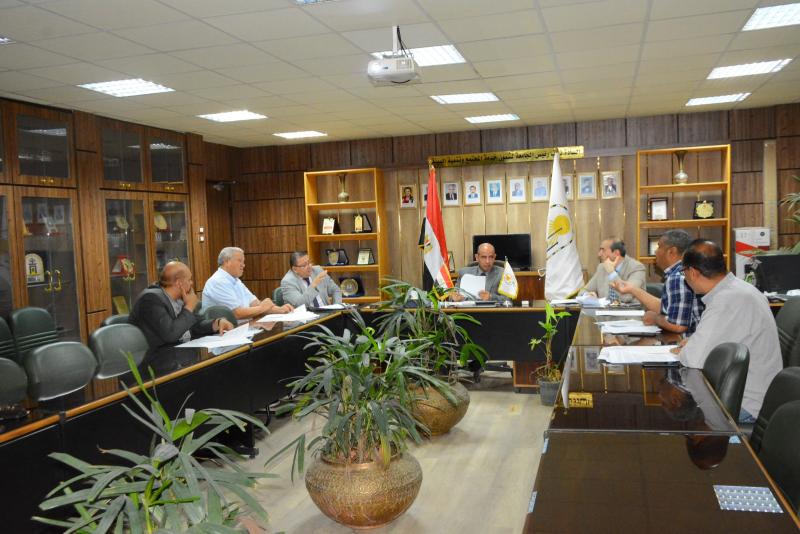
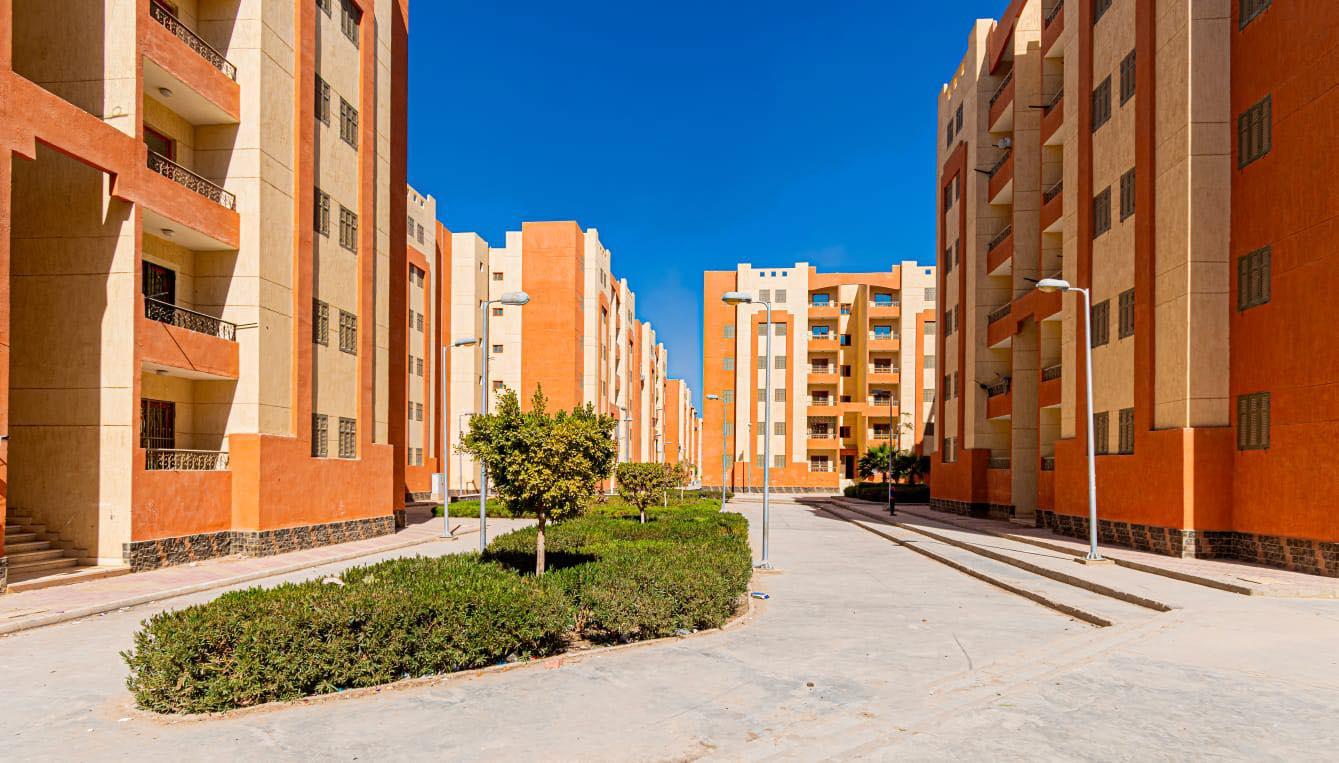
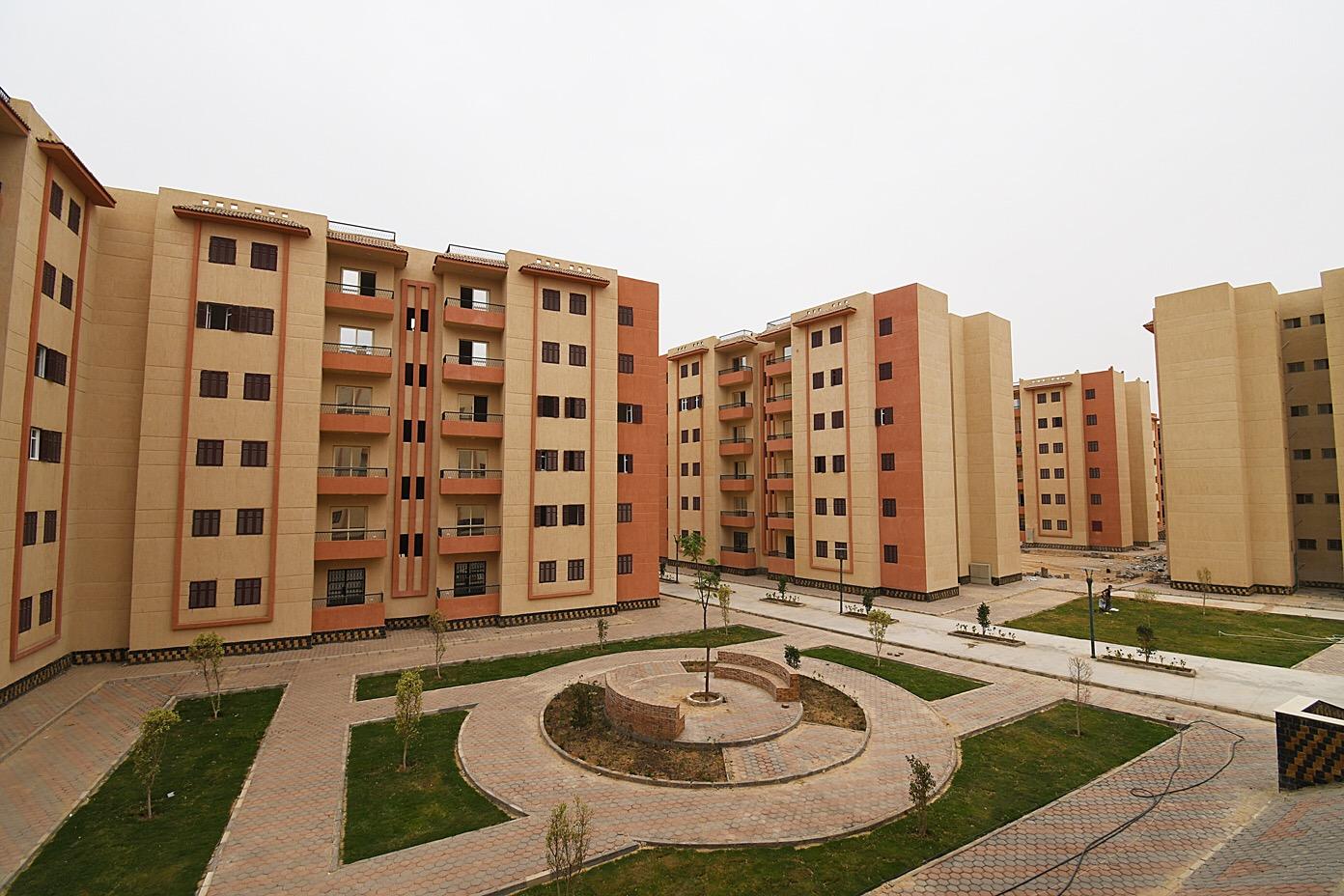
Assiut University undertakes housing-related initiatives to support its university community and improve residential facilities through the provision of administrative housing, the allocation of available residential units, and the development of housing infrastructure and services. These initiatives are coordinated through the University’s Community Service and Environmental Development Sector and the relevant administrative housing units.

During the 2025/2026 academic year, the University documented the following relevant initiatives:

1. Provision of Residential Accommodation

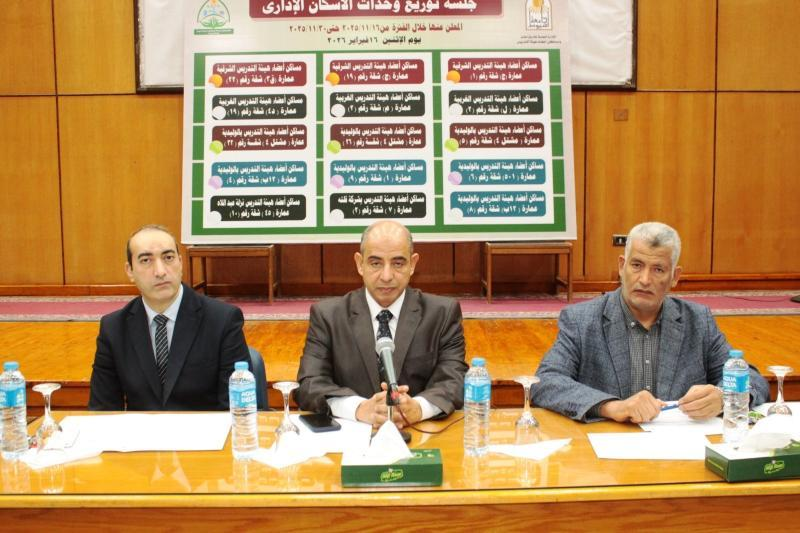
On 15 November 2025, Assiut University announced the availability of 15 vacant residential units within its administrative housing facilities, located both inside and outside the university campus. Applications opened on 16 November 2025 for a period of 15 days. The initiative aimed to meet the accommodation needs of faculty members, improve the utilization of university-owned residential properties, and promote a stable working and living environment. The allocation process was governed by established regulations and procedures intended to ensure transparency and fairness.

2. Development of Residential Infrastructure and Services

On 3 June 2026, the University’s Administrative Housing Board discussed measures to improve residential facilities and the services provided to occupants. The agenda included infrastructure improvements, maintenance of internal and connecting roads, enhancement of residential amenities, and measures to strengthen safety and organization within university housing areas. These activities demonstrate the University’s continued attention to residential planning, infrastructure quality, and the needs of its residential community.

3. Cooperation with Local Urban Development Authorities

The University has an established record of cooperation with the New Assiut City Development Authority and the New Urban Communities Authority on housing and urban development initiatives. Previous documented projects included plans for residential buildings for university employees and faculty members, student accommodation in New Assiut City, and housing arrangements supported by transportation services.

These initiatives provide historical evidence of institutional engagement with urban development authorities. However, they should be distinguished from activities newly implemented during the 2025/2026 academic year.

Contribution to Sustainable Development

Assiut University’s documented housing initiatives are relevant to Sustainable Development Goal 11 (Sustainable Cities and Communities), particularly the objective of improving access to adequate and safe housing and supporting sustainable urban development. They also contribute to employee welfare and the development of residential infrastructure.

Nevertheless, the available evidence primarily concerns accommodation for university employees and faculty members, together with the maintenance and development of university residential facilities. It does not independently establish that the University worked with local authorities during the reporting period to expand access to affordable housing for the general local population.

Conclusion

The available documentation demonstrates that Assiut University addressed residential accommodation and housing development through the allocation of university housing units and initiatives to improve residential infrastructure and services during the 2025/2026 academic year. The University also has a documented history of cooperation with urban development authorities on housing-related projects.

11.4.4 The University's housing affordable housing for employees

SDG11
Details:

جامعة أسيوط تضع خطة تطوير شاملة لمساكن أعضاء هيئة التدريس الشرقية والغربية | Assiut University تعلن الادارة العامة للاستراحات ومساكن اعضاء هيئة التدريس عن وجود عدد (29) تسعة وعشرون وحدة سكنية شاغرة بمساكن أعضاء هيئة التدريس داخل وخارج الحرم الجامعى وبيانها كالتالى: | جامعة أسيوط - الموقع الرسمي للتقديم إسكان جامعة اسيوط الإداري https://filgamaa.com/%D8%AC%D8%A7%D9%85%D8%B9%D8%A9-%D8%A3%D8%B3%D9%8A%D9%88%D8%B7-%D8%AA%D8%B9%D8%B2%D8%B2-%D8%B1%D9%81%D8%A7%D9%87%D9%8A%D8%A9-%D8%A3%D8%B9%D8%B6%D8%A7%D8%A1-%D9%87%D9%8A%D8%A6%D8%A9-%D8%A7%D9%84%D8%AA/

11.4.4 The University's affordable housing for employees

Does your university as a body provide affordable housing for employees?

Yes, there is a General Administration for Guest Houses and Faculty Housing at Assiut University, which serves the faculty members and their assistants at Assiut University. It provides suitable accommodation, essential staffing, security, and supervision to ensure comfort and to address any challenges encountered during their stay. The administration also serves many Egyptian, Arab, and foreign guests of the university, offering them proper care, appropriate accommodation, and hospitality worthy of the university's long-standing reputation.

The General Administration of Guest Houses and Faculty Housing consists of three main units:
1. Guest Houses Administration
2. Faculty Housing Administration
3. VIP Guest House Administration

First: Guest Houses Administration

The Guest Houses Administration includes many guest houses located inside and outside the university campus. All units work to provide distinguished services to faculty members and their assistants, as detailed in the following table:

No.Guest House NameNo. of ApartmentsNo. of RoomsCapacity
1City Guest House2060108
2Guest House No. (14)2060108
3Guest House (3) – El-Walidiya104036
4Guest House (12) – El-Walidiya103027
5Sector (2) Guest House244141
6El-Mashtal Building (13) Guest House136
7Cooperative Society Guest House – Al-Gomhouria148
8Othman Ibn Affan Guest House – Al-Gomhouria2612
9Petroleum District Guest House136
10Guest House (6) for Female Assistants – El-Walidiya148
11Guest House (7) for Female Assistants – El-Walidiya148
12Female Assistants Guest House – Qelta Company3918

Each guest house is staffed with sufficient supervisors, security personnel, service staff, and maintenance technicians (plumbing, electrical, carpentry). Custodians are also available to handle inventory received from central maintenance stores. The administration conducts continuous monitoring to ensure smooth operation and to address any issues that may affect service quality.

Second: Faculty Housing Administration

The Faculty Housing Administration includes a large number of residential buildings inside and outside the university campus serving faculty members.

Housing inside the campus consists of two main sectors:

No.SectorBuildingNo. of Units
1Eastern HousingA / B / C / Q1 / Q2 / Q3 / Q492
2Western HousingL / M / H / W / D1 / D2 / D3 / D4147

Faculty housing outside the campus:

No.BuildingNo. of Units
1Building (2) – El-Mashtal5
2Building (3) – El-Mashtal4
3Building (4) – El-Mashtal33
4Building (1) – El-Walidiya10
5Building (2) – El-Walidiya10
6Building (12) – Entrance A – El-Walidiya1
7Building (12) – Entrance B – El-Walidiya10
8Building (501) – El-Walidiya1
9Building (45) – Nazlet Abdallah11
10Building (7) – Entrance A – Qelta Company8
11Building (7) – Entrance B – Qelta Company5
12Petroleum District Apartment1

Furnished Guest Houses

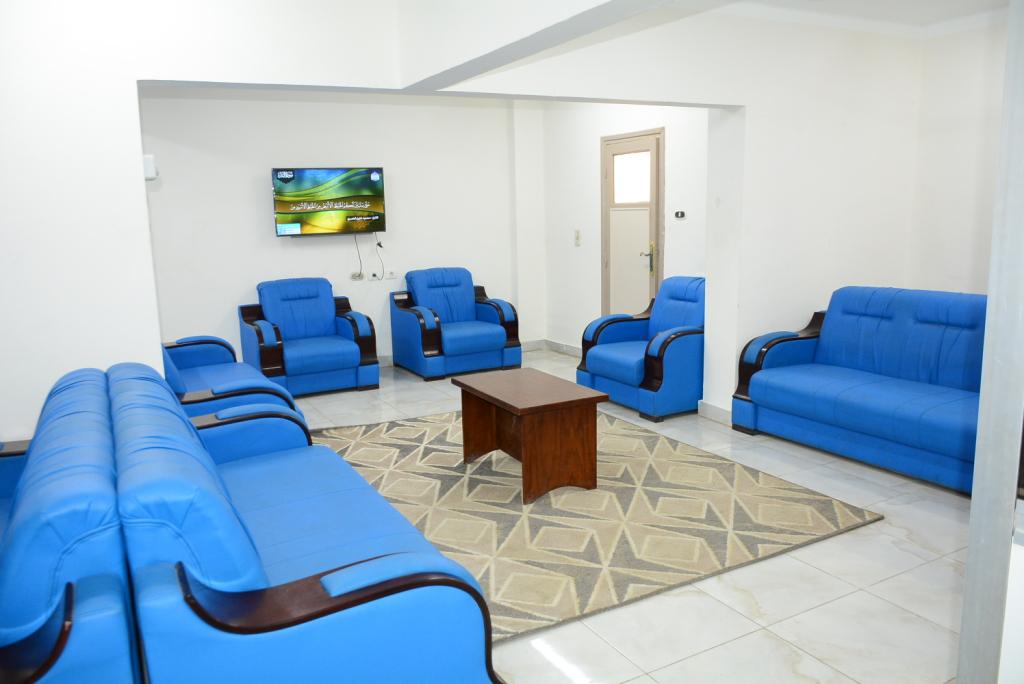
Furnished accommodation is designated for faculty members and their families for temporary use, subject to availability and approval from the Vice President for Community Service and Environmental Development. With approval from the university president, foreign and Arab delegations may also be accommodated. The president may also convert any faculty housing unit into a furnished unit or vice versa.

No.BuildingUnit No.
1Sector A – Eastern Housing2
2Sector L – Western Housing3
3Building 4 – El-Mashtal17
4Building 4 – El-Mashtal18
5Building 4 – El-Mashtal28
6Building 2 – El-Mashtal17
7Building 45 – Nazlet Abdallah5

Third: VIP Guest House Administration

This unit is located in the old university campus at El-Walidiya. It receives faculty members from Assiut University and other universities, as well as Arab and international delegations and academic committee members.

No.FloorNo. of Rooms
1First Floor4
2Second Floor10

The administration provides adequate supervision, service staff, and maintenance technicians (plumbing, electrical, carpentry) to ensure the VIP Guest House reflects the distinguished image of Assiut University.

The university faculty housing represents a unique feature of Assiut University among Egyptian universities, as its establishment dates to the early years of the university’s founding. This was done to support and care for the university faculty members and provide suitable opportunities for accommodation within the university campus to facilitate their role in providing a distinguished educational service during their years of work.

There is also a Health infrastructure facility for academics and administrative staff:

The Faculty Treatment Unit at Assiut University was established in 1990. Its establishment aimed to provide health care to faculty members, their assistants, and their families. The unit continued to provide medical, therapeutic, and laboratory services to faculty members until a decision was made to establish a new headquarters for the Faculty Treatment Unit, which would bring together

all medical, therapeutic, and laboratory services, to reduce the burdens and suffering that faculty members bear due to procedures and distant service locations.


Professors Treatment Unit

Professors Treatment Unit

11.4.2 -The University's undertake actions to promote the % of more sustainable commuting

SDG11
Details:


11.4.2 - Does your university as a body undertake actions to promote the % of more sustainable commuting (e.g. provision of free or subsidised buses or shared transport schemes, provision of bicycle parking & storage facilities, provision of cycle tracks, a bicycle and pedestrian plan or policy, bicycle sharing programme, free or reduced price transit passes, car/van pool or ride sharing programme, reduced parking fees or preferential parking for carpool or vanpool users, car sharing programme, provision of electric vehicle recharging stations, preferred parking for fuel-efficient vehicles)?

Yes, Assiut University, as a body, undertakes actions to promote the % of more sustainable commuting

(A)Assiut University announces the possibility of transporting students to and from the university.

Total main campus area: 1,504,325m2

Total parking area = 93250m2

Ratio = 0.061

A statement of some of the faculties/departments whose members participate (the use of mass transportation) in the university's courses

Note: Places outside the university do not benefit from the service, and hospitals are self- service that are not included in the statistics.

Statement of participants in university courses:

 Department/College Name

Total number of employees

and workers

Number of participants in the

courses

Number of individuals participating In

mass transit %

Notes

1

Faculty of Science

800

71

8.87


2

Faculty of Engineering

675

52

7.70


3

Faculty of Agriculture

839

61

7.27


4

Faculty of Medicine

1000

240

24.00

University hospital buses are used

5

Faculty of Pharmacy

313

40

12.77


6

Faculty of Veterinary

350

48

13.71


7

Medicine

243

22

9.05


8

Faculty of Commerce

388

85

21.90


9

Faculty of Education

265

28

10.57


10

Faculty of Low

169

33

19.52


11

Faculty of Physical Education

174

17

9.77


12

Faculty of Nursing

430

33

7.67


13

Faculty of

104

12

11.54


14

Dentistry

595

85

14.82


15

Nutrition Department

560

98

17.50


16

Engineering Affairs Department

250

41

16.40

 
 Destinations

Number of cycles

Number of participants in the courses

Number of individuals participating In

mass transit %

Notes

1

Sadat course

one

92


The number

of employees

at the

university is

about

35.460


The number

of employees

at the

university is

about

35.460

2

Republic course

one

79


The number

of employees

at the

university is

about

35.460


The number

of employees

at the

university is

about

35.460

3

Mubarak course

one

92


The number

of employees

at the

university is

about

35.460


The number

of employees

at the

university is

about

35.460

4

Majzoub Course

one

88


The number

of employees

at the

university is

about

35.460

5

Manqabad Course

one

68


The number

of employees

at the

university is

about

35.460

6

Nile course

two

149


The number

of employees

at the

university is

about

35.460

7

El nazla course

one

93


The number

of employees

at the

university is

about

35.460

8

El moalmen course

one

92


The number

of employees

at the

university is

about

35.460

9

El wledya course

two

172


The number

of employees

at the

university is

about

35.460

10

Al Mina University

-

51


The number

of employees

at the

university is

about

35.460

 Course    

11

Microbus General

-

14

  
 Administration    

12

Constructions

-

13

  
 Micro-Bus    
TotalTotal 

1003

2.83


A statement of some of the colleges/departments whose members participate in using mass transportation at the university for

NoZero Emission Vehicle TypeTotal
1Bicycle2500
2Electric Skooter20

(B) Campus facilities for disabled, special needs and/or maternity care (SI.5)

1. Website Accessibility Features1. Website Accessibility Features1. Website Accessibility Features
linkhttps://www.aun.edu.eg/main/ar/homehttps://www.aun.edu.eg/main/ar/home

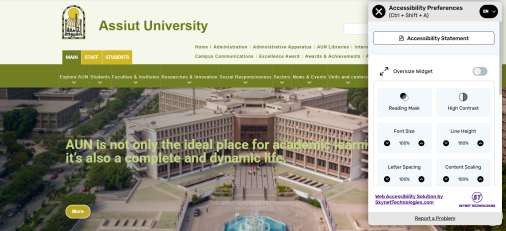
The university website provides accessibility tools that support users with disabilities, including text size adjustment, contrast control, reading aids, and other accessibility options that improve access to online information and services.

The university website provides accessibility tools that support users with disabilities, including text size adjustment, contrast control, reading aids, and other accessibility options that improve access to online information and services.

The university website provides accessibility tools that support users with disabilities, including text size adjustment, contrast control, reading aids, and other accessibility options that improve access to online information and services.

2. Vehicle Entry Permit System for Students with Disabilities2. Vehicle Entry Permit System for Students with Disabilities2. Vehicle Entry Permit System for Students with Disabilities
linklinkhttps://www.aun.edu.eg/staff/index.php/parking
Assiut University provides a vehicle entry permit system that allows students with disabilities and their relatives to access the campus by car, facilitating easier and safer access to university facilities.Assiut University provides a vehicle entry permit system that allows students with disabilities and their relatives to access the campus by car, facilitating easier and safer access to university facilities.Assiut University provides a vehicle entry permit system that allows students with disabilities and their relatives to access the campus by car, facilitating easier and safer access to university facilities.

Policies on Disability and Persons with Special Needs

Policies on Disability and Persons with Special Needs

linkhttps://www.aun.edu.eg/AUIRO/sites/default/files/Students%20with%20Special%20Needs.pdf
Assiut University adopts a policy that ensures equal educational opportunities, reasonable accommodation, access to facilities and services, and full participation of students with disabilities and special needs in academic and campus life.Assiut University adopts a policy that ensures equal educational opportunities, reasonable accommodation, access to facilities and services, and full participation of students with disabilities and special needs in academic and campus life.

Through the continuous development of accessible infrastructure, support facilities, and inclusive services, Assiut University seeks to provide an equitable educational environment that enables students with disabilities and special needs to access campus facilities, participate in academic activities, and engage fully in university life. These efforts reflect the university’s commitment to fostering inclusion, promoting equal opportunities, and enhancing the quality of life for all members of the university community.

Subscribe to