The Faculty of Medicine at Assiut University is organizing a training course on promoting awareness of first aid.

0

The Faculty of Medicine at Assiut University organizes a training course on raising awareness of first aid.

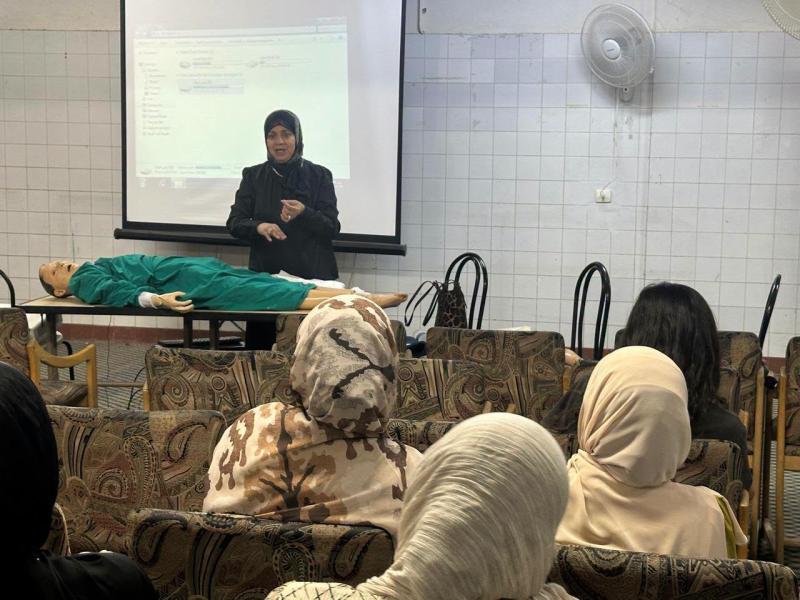
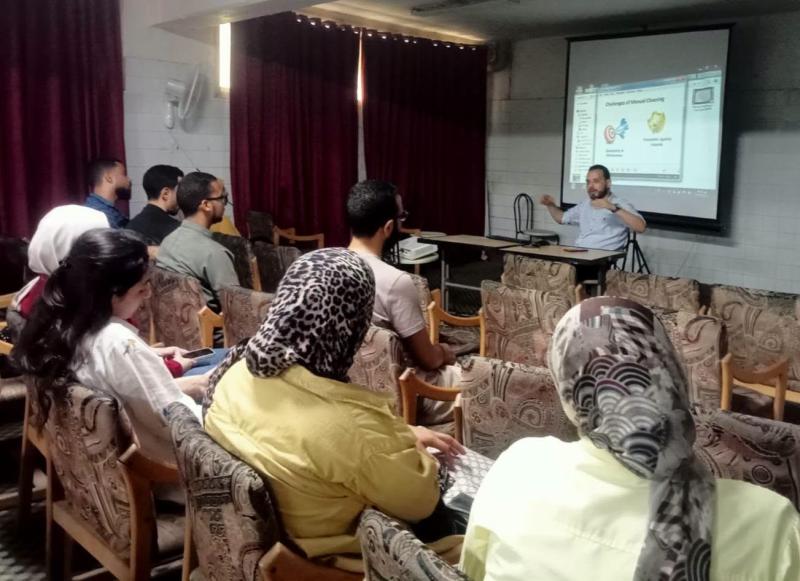
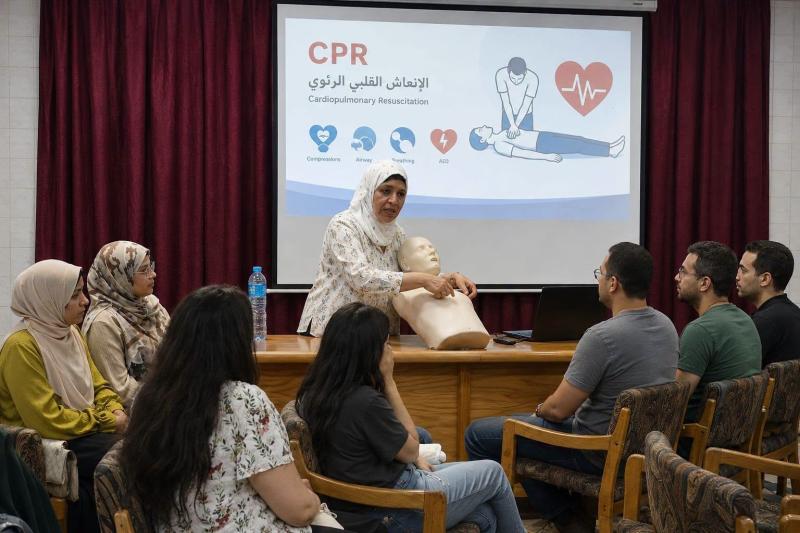
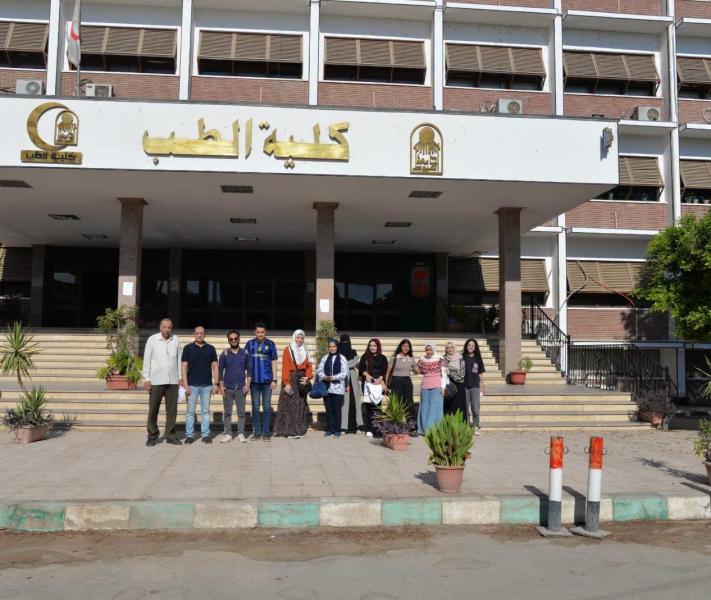
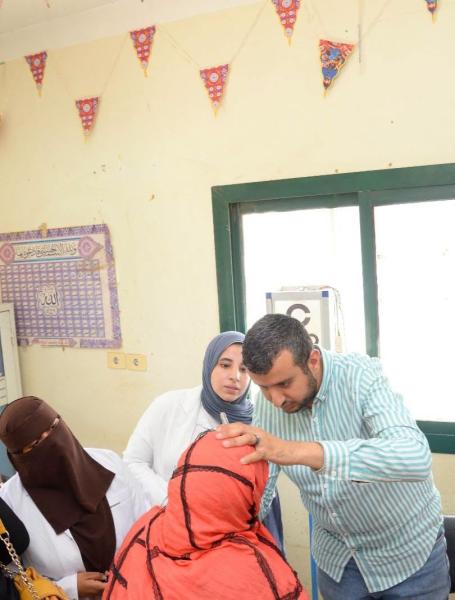
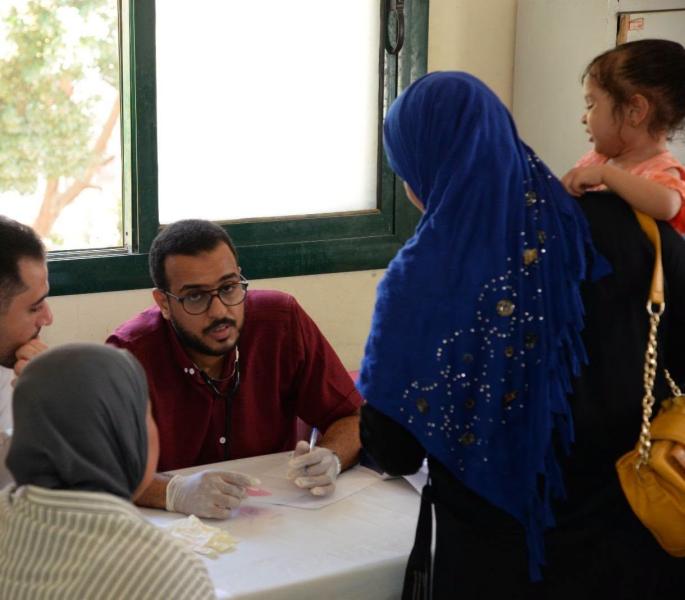
As part of the "Health Literacy" initiative, which aims to raise health awareness among staff, the Community Service and Environmental Development Training Center, affiliated with the Community Service Sector at the Faculty of Medicine, Assiut University, organized a training course entitled "First Aid for Fractures, Heat Exhaustion, and Sunstroke."

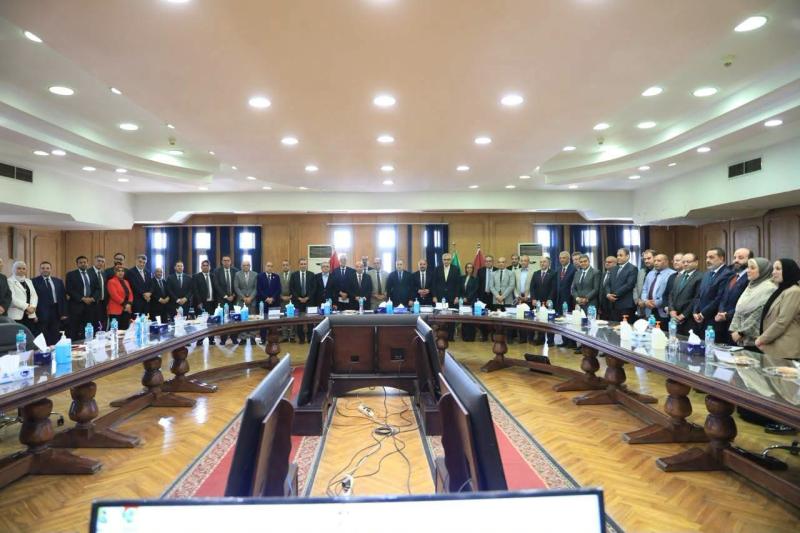
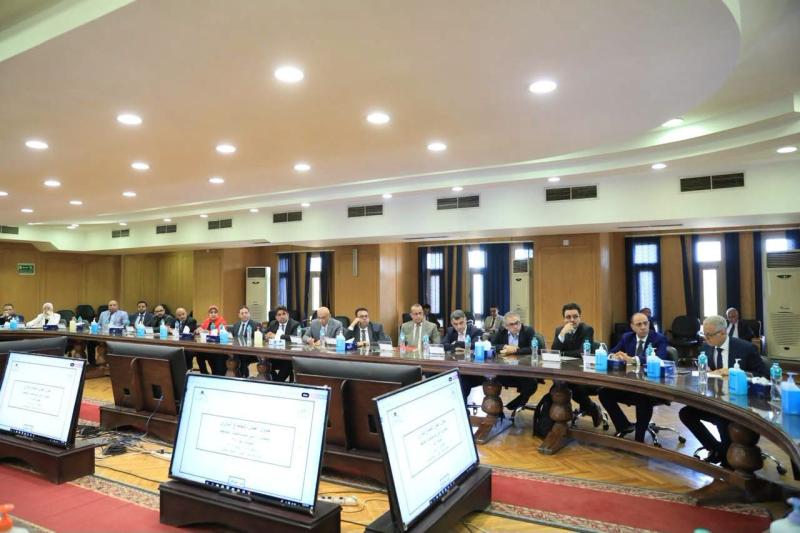
The workshop was held under the auspices of Professor Dr. Ahmed El-Menshawy, President of Assiut University; Professor Dr. Alaa Attia, Dean of the Faculty of Medicine and Chairman of the Board of Directors of University Hospitals; and Professor Dr. Hoda Makhlouf, Vice Dean of the Faculty for Community Service and Environmental Development.

The workshop included practical training on fractures, their different types, proper handling methods, and providing appropriate first aid for each type. This training was led by Professor Dr. Ghada Thabet, Assistant Consultant at the Community Service and Environmental Development Training Center, who reviewed the latest practical methods for dealing with fracture injuries to minimize complications and ensure the patient's safety until specialized medical care is received. The workshop also included an awareness lecture on the differences between heat exhaustion and heatstroke, highlighting the most prominent signs and symptoms of each condition, as well as the necessary first aid procedures for rapid and effective treatment of those affected. The lecture was delivered by Professor Dr. Nagwa Mohamed Gamal, supervisor of the Community Service and Environmental Development Training Center.

This workshop is part of the Faculty of Medicine at Assiut University's commitment to promoting a culture of safety and health among staff and students, and developing their ability to handle emergency situations efficiently and effectively.

In preparation for their opening... the Dean of the Faculty of Medicine at Assiut University and Chairman of the Board of Directors of Assiut University Hospitals inspects a number of medical units at the main hospital.

In preparation for their opening... the Dean of the Faculty of Medicine at Assiut University and Chairman of the Board of Directors of Assiut University Hospitals inspects a number of medical units at the main hospital.

In preparation for their opening... Dean of the Faculty of Medicine and Chairman of the Board of Directors of Assiut University Hospitals inspects several medical units at the main hospital

As part of the ongoing development of the medical system and the improvement of healthcare services provided at Assiut University Hospitals, under the auspices of Professor Dr. Ahmed El-Menshawy, President of the University, Professor Dr. Alaa Attia, Dean of the Faculty of Medicine and Chairman of the Board of Directors of University Hospitals, conducted an inspection tour of several medical units at the main hospital to review the final preparations for their official opening.

The tour included an inspection of the Geriatrics and Gerontology Unit, which has been established and equipped according to the latest medical standards to provide comprehensive and integrated care for the elderly. He also inspected the new Laser Therapy Unit in the Dermatology Department, which has been equipped with the latest devices and technologies to provide advanced therapeutic and cosmetic services, in addition to the fourth floor (private ward). Professor Dr. Alaa Attia was accompanied on his tour by Professor Dr. Khaled Abdel Aziz, Director of the Main Hospital; Professor Dr. Sohair Qassem, Director of the Mandatory Training Program for Physicians and Head of the Geriatrics and Gerontology Unit; Dr. Ehsan Ali Hassan, Head of the Central Administration for Medical and Therapeutic Affairs; and Engineer Abeer Bakheet, Assistant Consultant for Engineering Affairs at the University Hospitals.

Professor Dr. Alaa Attia emphasized that the University Hospitals in Assiut are witnessing a significant construction and medical expansion. He noted that the new units represent a strong addition to the medical sector and will contribute effectively to providing the highest level of medical service. He added that the Geriatrics Unit will provide a specialized treatment system that addresses the health needs of the elderly, while the Laser Therapy Unit will bring about a qualitative leap in related medical specialties. Professor Dr. Alaa Attia commended the efforts of the medical and engineering teams responsible for implementing these facilities.

A medical team from the Department of Cardiothoracic Surgery at Assiut University performed the first open-heart surgeries at Manfalout Central Hospital as part of the coordination between Assiut University hospitals and the Ministry of Health.

A medical team from the Department of Cardiothoracic Surgery at Assiut University performed the first open-heart surgeries at Manfalout Central Hospital as part of the coordination between Assiut University hospitals and the Ministry of Health.

فريق طبي بقسم جراحة القلب والصدر بجامعة أسيوط يُجري أولى عمليات القلب المفتوح بمستشفى منفلوط المركزي

في إطار التنسيق بين مستشفيات جامعة أسيوط ووزارة الصحة

في إطار التوجه الاستراتيجي للدولة في التنسيق بين المستشفيات الجامعية ومستشفيات وزارة الصحة، أعلنت مستشفيات جامعة أسيوط عن مشاركة فريق طبي بقسم جراحة القلب والصدر بالتعاون مع فريق طبي بمستشفى منفلوط النموذجي في إجراء أول جراحتين للقلب المفتوح بالمستشفى، جاء هذا تحت رعاية الأستاذ الدكتور أحمد المنشاوي، رئيس جامعة أسيوط، والأستاذ الدكتور علاء عطية، عميد كلية الطب ورئيس مجلس إدارة المستشفيات الجامعية، والأستاذ الدكتور محمد جمال، وكيل وزارة الصحة بأسيوط.

شهدت العمليات مشاركة نخبة من الكوادر الطبية المتميزة من جامعة أسيوط، حيث ضم الفريق كلاً من، الأستاذ الدكتور محمد عياد، رئيس قسم جراحة القلب والصدر ومدير مستشفى القلب، والدكتور محمد فاروق، مدرس جراحة القلب والصدر بجامعة أسيوط، والدكتور أيمن عبد الخالق، مدرس التخدير والعناية المركزة، والطبيب محمد عماد، والطبيب مصطفى لؤي، والطبيب أحمد وهبه، مدرسين مساعدين بقسم جراحة القلب والصدر بجامعة أسيوط، والطبيب محمد علاء، طبيب مقيم بالقسم، ومن هيئة التمريض الأستاذ جمال محمد، والأستاذة شيماء طه، والأستاذة أميرة أحمد، بالتعاون مع الأطقم الطبية بمستشفى منفلوط النموذجي.

يأتي هذا ضمن التوجه الاستراتيجي للدولة لتقليل قوائم الانتظار ونقل الخبرات الطبية الجامعية إلى مستشفيات وزارة الصحة لخدمة المواطنين في أماكن إقامتهم، ورفع المعاناة عنهم.

0

The Dean of the Faculty of Medicine and Chairman of the Board of Directors of Assiut University Hospitals receives a delegation from the National Investment Bank to follow up on a number of ongoing projects in the university hospitals.

The Dean of the Faculty of Medicine and Chairman of the Board of Directors of Assiut University Hospitals receives a delegation from the National Investment Bank to follow up on a number of ongoing projects in the university hospitals.

تحت رعاية الأستاذ الدكتور أحمد المنشاوي، رئيس الجامعة، استقبل الأستاذ الدكتور علاء عطية، عميد كلية الطب ورئيس مجلس إدارة مستشفيات جامعة أسيوط يستقبل وفدا من بنك الاستثمار القومي، ضم كل من المهندس عادل إسماعيل، مدير عام بنك الاستثمار القومي، والأستاذ كريم علاء الدين، باحث ببنك الاستثمار، وذلك أثناء جولاتهم التفقدية لمتابعة عددا من المشروعات القائمة بالمستشفيات الجامعية.

وخلال اللقاء استعرض الأستاذ الدكتور علاء عطية، معدلات الإنجاز في المشروعات القائمة داخل نطاق المستشفيات الجامعية، وعلى رأس تلك المشروعات مستشفى الإصابات، ومستشفى الأورام الجامعي الجديد، حيث أشار إلى الاحتياجات اللوجستية والفنية لضمان تشغيل المنشآت الطبية الجديدة بأعلى كفاءة، كما قام الأستاذ الدكتور علاء عطية، بتسليط الضوء على دور المستشفيات الجامعية في تقديم خدمات طبية متميزة لأهالي صعيد مصر، والمترددين عليها من مختلف أنحاء الجمهورية، انطلاقا من دورها كمدينة طبية متكاملة تتضمن (١١) مستشفى في مختلف التخصصات.

شملت الزيارة جولة تفقدية لمستشفى الإصابات، حيث قاموا بزيارة الاستقبال وغرف العمليات والعنايات ومعمل التحاليل بالمستشفى، ومبنى الجراحات الميكروسكوبية، حيث اطلع وفد بنك الاستثمار القومي على حجم العمل المبذول، مشيدين بإمكانيات المستشفى، وحرصه على الالتزام بالمعايير القياسية المطلوبة.

رافق الوفد خلال جولته بمستشفى الإصابات، الأستاذ الدكتور محمد عبد الحميد، مدير مستشفى الإصابات، والأستاذ الدكتور خالد عبد العزيز، مدير المستشفى الرئيسي، والدكتور شحاته الضبع، المستشار الهندسي لرئيس الجامعة، والأستاذ شوكت صابر، أمين عام الجامعة، والأستاذ أيمن أحمد شحاته، أمين عام الجامعة المساعد، والأستاذة سناء محمد، مدير عام الإدارة الاستراتيجية بالجامعة، والأستاذ ميخائيل حنا، مدير إدارة التخطيط بالجامعة، والأستاذة ولاء محمود، مدير إدارة المتابعة بالجامعة، والأستاذ عصام عبد الحكيم، مدير إدارة الأزمات والكوارث بالجامعة، والمهندسة سوسن إبراهيم، مدير عام إدارة الإنشاءات، والدكتور محمد عبد العال، مدير الإدارة الاستراتيجية بالمستشفيات الجامعية، والأستاذ أبو الحسن أحمد، باحث بإدارة التخطيط بالجامعة.

كما قام الوفد بزيارة لمشروع مستشفى الأورام الجامعي الجديد، وذلك بحضور الأستاذ الدكتور علاء عطية، عميد كلية الطب ورئيس مجلس إدارة المستشفيات الجامعية، والأستاذ الدكتور محمد أبو المجد، عميد معهد جنوب مصر للأورام، وممثلين عن الجهة المنفذه لمشروع مستشفى الأورام الجامعي الجديد، اللواء أمجد شكري، رئيس قطاع المشروعات والعلاقات الحكومية، والمهندس جورج فوزي، مدير مشروعات فرع الصعيد ومدير المشروع.

جدير بالذكر، أن مشروع مستشفى الأورام الجامعي الجديد، يعد أحد المشروعات القومية المهمة، والمُصمم وفق أحدث النظم الطبية المتقدمة، على مساحة تبلغ (١٥) ألف متر مربع، وسيتم تنفيذه على ثلاث مراحل تدريجية، ويشمل كل الخدمات الطبية والعلاجية اللازمة لمرضى الأورام، والوحدات التمريضية، والأقسام التشخيصية، والعلاجية للخدمات المساعدة كافة، كما سيضم المشروع مركزًا بحثيًا متخصصًا في إجراء دراسات وأبحاث علمية في مجالات الأورام المختلفة.

0


[HTML] from springer.com Full View Gene expression of programmed cell death ligand-1 (PDL-1) and vitamin D receptor (VDR) with the serum vitamin D3 in lung cancer

Research Abstract
Background
Lung cancer (LC) is one of the leading causes of death worldwide. Programmed cell death receptor 1 (PD-1) interacts with its ligand (PDL-1) on T cells inhibiting its functioning which may affect the patient's immunological response.
Aim
Investigate if there is a link between smoking and tissue expression of PDL-1 and vitamin D receptor (VDR) in lung cancer patients. In addition, the relation of vitamin D with smoking and these biochemical markers.
Methods
PDL-1 and VDR expressions were evaluated by real-time PCR in 54 lung cancer biopsy samples and 36 controls to prove this hypothesis. Vitamin D levels in the blood were measured using an ELISA.
Results
Expressions of PDL-1 were significantly upregulated in LC patients than in controls. The highest expression was in stage II and in squamous cell carcinoma followed by small cell carcinoma then adenocarcinoma. However, VDR expressions and …
Research Authors
Ragaa HM Salama, Soad MA Faied, Maha ELkholy, Norhan S Abd-Elmawgoud, Tasneem A Alsanory, Aya A Alsanory, Ahmed A Abd-Elmoniem, Mohamed S Abd-Elmawgoud, Hemat A Mahmoud, Abdel-Rahman H Abdel-Qawy, Marwa A Dahpy
Research Date
Research Journal
The Egyptian Journal of Bronchology
Research Pages
65
Research Publisher
Springer Berlin Heidelberg
Research Vol
16
Research Year
2022

Congratulations to Professor Dr. Hanan Galal Abdel-Azim, Professor of Clinical Pathology, Faculty of Medicine, on her appointment as Director of the Medical Research Center at the Faculty.

تهنئة للسيدة أ.د/ حنان جلال عبد العظيم أستاذ الباثولوجيا الإكلينيكية كلية الطب  بمناسبة تكليف سيادتها مديراً لمركز الأبحاث الطبية بالكلية

Congratulations to Professor Dr. Hanan Galal Abdel-Azim, Professor of Clinical Pathology, Faculty of Medicine, on her appointment as Director of the Medical Research Center at the Faculty.

An updated assessment of the molecular prevalence and risk factors of Babesia infection among crossbred cattle: a diagnostic cross-sectional study

Research Abstract

Abstract
Background Bovine babesiosis is a hemoprotozoal disease that poses a serious danger to cattle productivity in
tropical and subtropical areas. The goal of the current study is to update the data regarding Babesia spp. prevalence.
Assessing the risk variables linked to the illness in crossbred cattle from January to December 2025 in Assiut, Egypt.
Methods A total of 200 blood samples were obtained from crossbred cattle, including 84 apparently healthy and 116
showing clinical signs suggestive of babesiosis. Giemsa-stained blood smears were inspected microscopically, and
molecular analysis that targeted the Babesia 18 S rRNA gene verified the results.
Results The overall prevalence of Babesia spp. infection detected microscopically was 6% (12/200). The percentage
of animals with symptoms was 8.6% higher than in apparently healthy ones. Epidemiological analysis showed higher
infection rates in males (8.33%) compared to females (4.3%), and in cattle younger than one year (8.75%). There was
a discernible seasonal variation in infestation rates, which peaked at 7.7% during the hot season and dropped to
4.2% over the cold season, even though age, sex, and season were not statistically significant (P > 0.05). A significant
association was found between Babesia infection and hard tick infestation (OR = 21.64; 95% CI: 2.35–199.12; P = 0.001)
suggesting that ticks play a critical role in the spread of disease. The presence of B. bovis and B. bigemina in crossbred
cattle in Assiut Province was confirmed by molecular confirmation of a few heavily infected samples using PCR
targeting the Babesia 18 S rRNA gene.
Conclusions For the first time, this work uses combination microscopy and PCR to confirm the existence of two
Babesia species (B. bovis and B. bigemina) in Assiut province, upper Egypt. The data indicate that the parasite is actively
circulating, emphasizing the significance of good tick management and increased diagnostic surveillance in order to
prevent economic losses and maintain animal health.
Keywords Babesia bovis, Babesia bigemina, Cattle, Egypt, PCR, Ticks

Research Authors
AHMED KAMAL DYAB
Research Date
Research Department
Research Journal
BMC Veterinary Research
Research Member
Research Pages
1-12
Research Publisher
BMC
Research Rank
Q1 Impacte factor 3.1
Research Vol
22
Research Website
https://doi.org/10.1186/s12917-026-05639-w
Research Year
2026

Camel whey protein coated metal-organic frameworks (CWP/MOF) as a sustainable approach to treat environmental stress-induced liver toxicity by cobalt chloride in rats

Research Abstract
Background and aim
Environmental stressors, such as heavy metal pollution, can have devastating effects on biological organisms, leading to conditions like liver toxicity. This study explored the therapeutic potential of a novel iron-based metal-organic framework (Fe-MOF) in mitigating cobalt chloride-induced liver toxicity in rats.
Methods
Utilizing a solvothermal synthesis method, CWP/MOF was created and characterized using X-ray diffraction, Fourier transform infrared spectroscopy, and transmission electron microscopy. Adult male rats were divided into four groups, each consisting of six rats. The groups were treated as follows: Group 1 (Control): Received 0.5 ml/day of distilled water only. Group 2 (CoCl₂): Treated with cobalt chloride (100 mg/kg/day) dissolved in distilled water. Group 3 (CoCl₂ + Fe-MOFs): Treated with cobalt chloride (100 mg/kg/day) and Fe-MOFs dissolved in distilled water. Group 4 (CoCl₂ …
Research Authors
Dalia A Hamad, Asmaa FA Dawood, Hanan M Alharbi, Shereen Mahmoud Refaie, Marwa A Ali, AA Abu-Sehly, Hanem S Abdel–Tawab, Nermeen N Welson, Fatma El-Zahraa A Abd El
Research Date
Research Department
Research Journal
Journal of Trace Elements in Medicine and Biology
Research Pages
127791
Research Publisher
Urban & Fischer
Research Year
2025

Protective effects of whey camel milk proteins conjugate with metal–organic frameworks (MOF) as antimicrobial and against cobalt-induced chloragogen cell toxicity in earthworms

Research Abstract

Camel whey protein (CWP) is rich in potent antioxidant and antimicrobial compounds, while the iron-based metal–organic framework (MOF)-235 offers high biocompatibility for drug delivery. This study synthesised and characterised CWP/MOF-235 nano-conjugates to enhance CWP stability, bioavailability, and therapeutic efficacy. GC–MS analysis confirmed the presence of hepatoprotective and antimicrobial fatty acids in CWP, including oleic acid, palmitic acid methyl ester, and cis-vaccenic acid. Antimicrobial assays revealed that CWP/MOF-235 exhibited greater activity against Candida albicans than CWP or MOF-235, achieving a maximum inhibition zone of 36.3 mm. Using earthworm (Aporrectodea caliginosa), cobalt chloride-induced chloragogen cell toxicity was effectively ameliorated by CWP/MOF-235, restoring normal intestinal histoarchitecture and reducing cellular necrosis as confirmed by light …

Research Authors
Fatma El-Zahraa Abd El-Aziz, Asmaa FA Dawood, Mervat Abdel-Baseer Tohamy Abd El-Aziz, Marwa A Ali, Hanan A Ahmed, Rana A Elbeshbeishy, Rabab M Thabit, Nermeen Welson, Dalia A Hamad
Research Date
Research Department
Research Journal
Natural Product Research
Research Pages
1-12
Research Publisher
Taylor & Francis
Research Year
2025
Subscribe to