Measurement and characterization of nutritional, oxidative, and technological changes in hybrid chicken burgers formulated with plant-based ingredients

Research Abstract

The increasing demand for more sustainable chicken products has stimulated interest in hybrid formulations incorporating plant-based ingredients to improve nutritional characteristics while maintaining technological performance. This study evaluated the incorporation of plant-based ingredients (chickpeas, sweet peppers, linseed oil, olive oil, dried tomatoes, garlic, and onion) as functional additives in chicken burgers by partially replacing chicken meat at levels of 40%, 50%, and 60%. The effects on physicochemical properties, fatty acid and amino acid composition, mineral content, in vitro protein digestibility (IVPD), oxidative stability, color, texture, and sensory attributes were evaluated. The inclusion of plant ingredients increased pH and water-holding capacity, while decreasing lightness (L*) and increasing redness (a*) and yellowness (b*) (p < 0.05). Chemical composition analysis showed reductions in moisture (≤ 10%), lipid (≤ 35%), and protein content (≤ 15%), accompanied by increases in ash and dietary fiber, with fiber content rising by up to 324% compared with the control. The fatty acid profile changed with a 33% reduction in saturated fatty acids and an approximately 18% increase in total unsaturated fatty acids (MUFA and PUFA). Amino acid analysis indicated a decrease in total essential amino acids and an increase in several non-essential amino acids, particularly glutamic and aspartic acids. Mineral contents (Ca, K, Mg, Fe, and Zn) increased by 28–156%, while IVPD increased from 74.7% to 86.9%, representing an increase of approximately 16%. Oxidative stability improved, as indicated by a 35% reduction in TBARS, a 38% decrease in protein carbonyls, and a 62% increase in sulfhydryl groups. Texture profile parameters increased by 29–48%, contributing to higher juiciness and tenderness scores. Sensory evaluation by an internal semi-trained panel indicated higher panel acceptability scores for color, flavor, juiciness, and overall acceptability, with overall acceptability increasing by approximately 11% at the highest level of plant-based ingredient incorporation. Multivariate analyses (correlation analysis and PCA) confirmed significant relationships between the proportion of plant ingredients and the measured nutritional, technological, oxidative, and sensory parameters. In conclusion, these findings indicate that plant-based ingredients can be incorporated into chicken burgers to modify nutritional composition and technological characteristics while maintaining sensory acceptability in hybrid meat products.
Research Authors
Nady Khairy Elbarbary, Neveen M. Abdelmotilib , Ali Meawad Ahmed, Ashraf Abd El-malek , Reda Abdallah , Marwa M. Abdallah1
Research Date
Research Department
Research Journal
Journal of Food Measurement and Characterization
Research Member
Research Pages
24
Research Publisher
Springer
Research Website
https://doi.org/10.1007/s11694-026-04459-8
Research Year
2026

Morphological and ultrastructural study of selected endocrine gland (thyroid ultimobranchial and adrenal) in Egyptian Turkeys (Meleagris gallopavos)

Integrated morphological molecular and immunopathological characterization of Raillietina hymenolepidoides from Psammomys obesus reveals potent in vitro anthelmintic activity of Androctonus crassicauda venom

Ultrastructural and Immunohistochemical Alterations in Renal Tissue of Rats Exposed to Aflatoxin B1 Glomerular Barrier Disruption and Cytoskeletal Remodeling

Effect of plasma activated water on body weight behavior biochemical profile intestinal microbiota and liver and kidney histopathology in mice

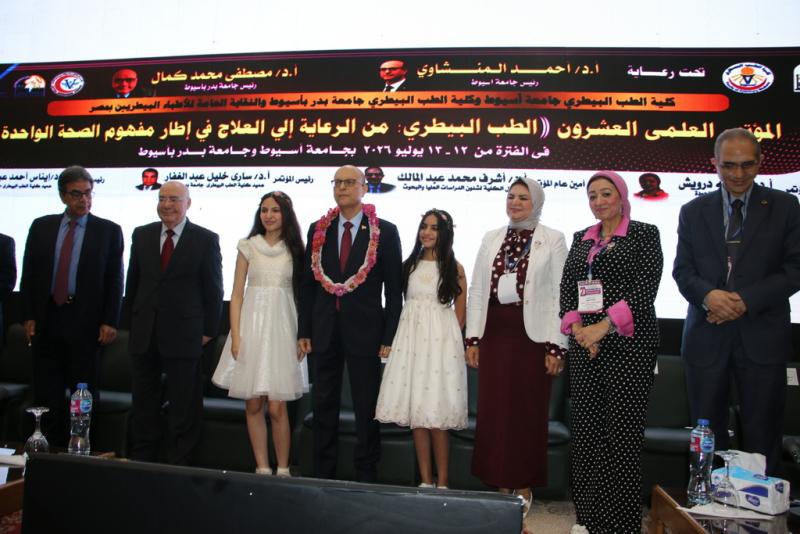
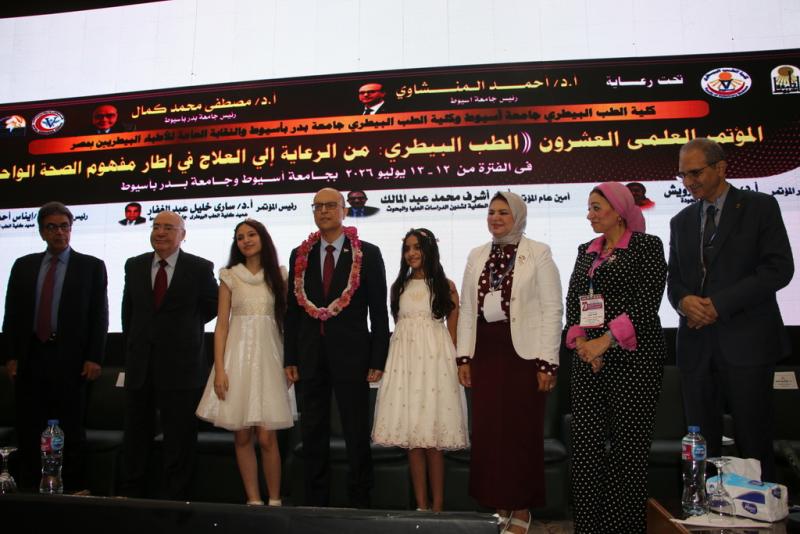
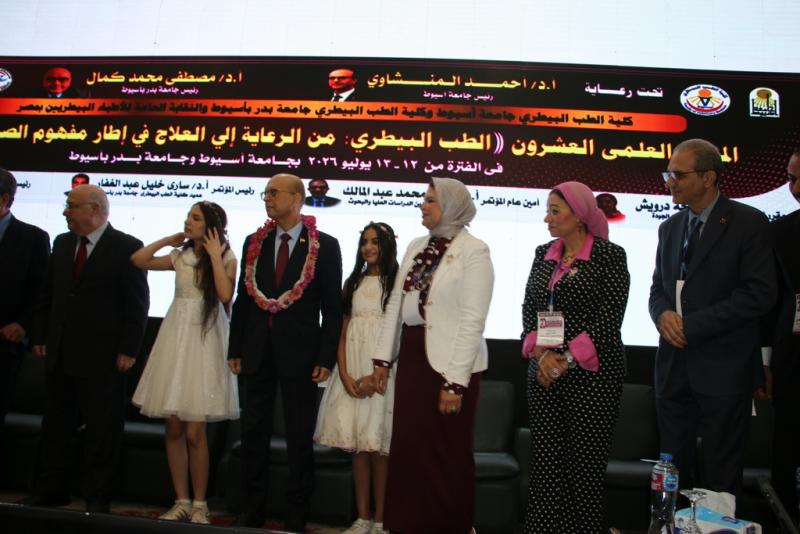
In the spirit of the 20th Scientific Conference, gratitude and appreciation: Honoring His Excellency the Minister, Professor Dr. Ahmed El-Menshawy, President of the University, from the Faculty of Veterinary Medicine

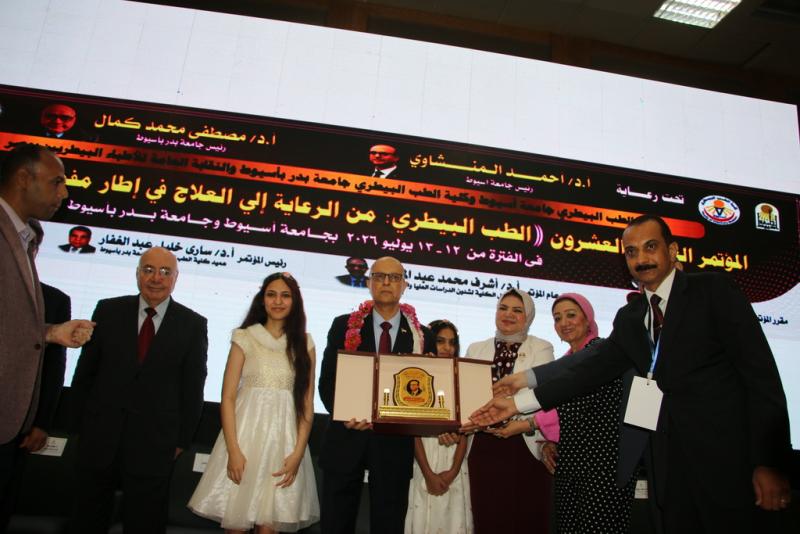
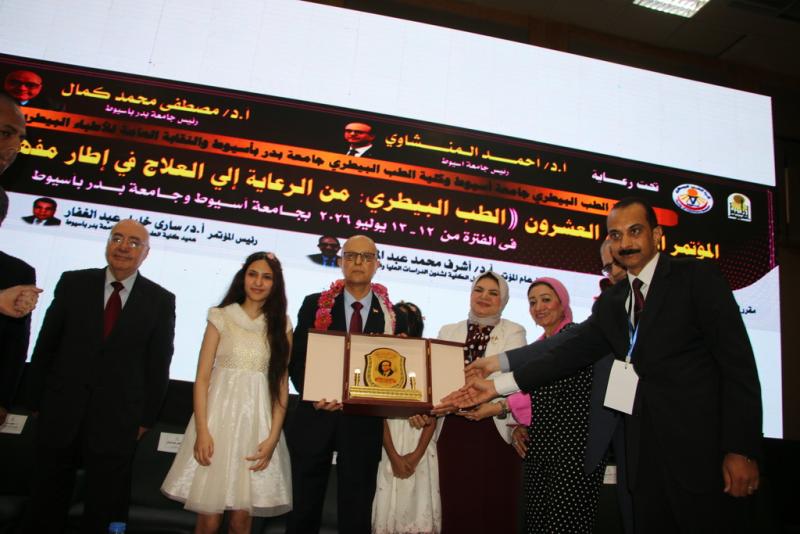
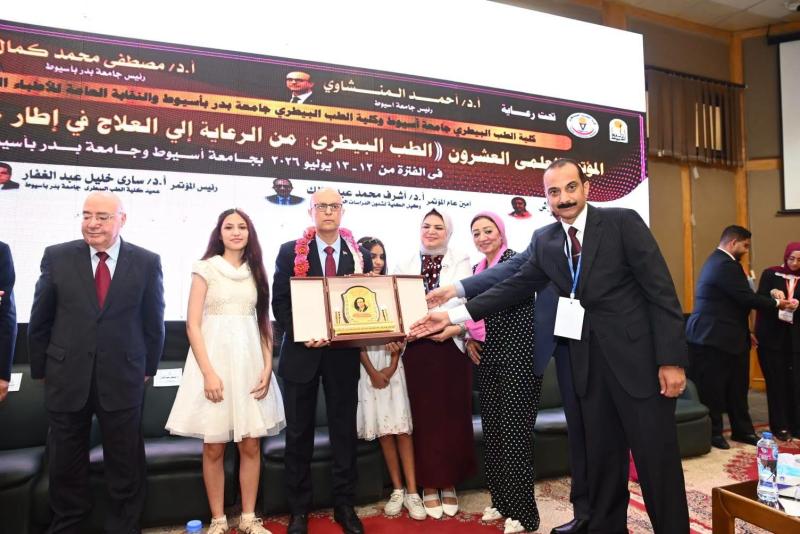
In a remarkable gesture of appreciation, the Faculty of Veterinary Medicine at Assiut University honored Dr. Ahmed El-Menshawy with the Faculty Shield and a floral wreath. This recognition was bestowed in appreciation of his continuous efforts in supporting the faculty, developing its infrastructure, and enhancing its educational and research capabilities. The opening session also featured the screening of a documentary film entitled "Dr. Ahmed El-Menshawy: Healer of Hearts," which showcased his contributions to supporting the faculty, upgrading its infrastructure, and empowering young researchers.


2

The scientific conference on veterinary medicine has commenced... from care to treatment within the framework of the One Health concept.

Dr. Ahmed El-Menshawy, President of Assiut University, and Dr. Mostafa Kamal, President of Badr University in Assiut, inaugurated the 20th Scientific Conference of the Faculty of Veterinary Medicine at Assiut University. The conference was held in collaboration with the Faculty of Veterinary Medicine at Badr University in Assiut and the General Syndicate of Veterinary Doctors, on July 12–13, 2026, under the theme: "Veterinary Medicine: From Care to Treatment within the Framework of the One Health Concept."
Assiut University hosted the first day's proceedings at the Administrative Building, while the second day was held at the Faculty of Veterinary Medicine premises at Badr University in Assiut. The conference was supervised by a distinguished group of academic and syndicate leaders, headed by Dr. Gamal Badr, Vice President of Assiut University for Postgraduate Studies and Research, and Dr. Magdy Hassan, President of the General Syndicate of Veterinary Doctors.
The opening ceremony was attended by several university vice presidents, faculty deans, teaching staff members, and researchers from various Egyptian universities, alongside students from both universities. The proceedings were presented by Professor Mohamed Gomaa, Director of the Arts Activities Department at the General Administration of Student Welfare.
In a remarkable gesture of appreciation, the Faculty of Veterinary Medicine at Assiut University honored Dr. Ahmed El-Menshawy with the Faculty Shield and a floral wreath. This recognition was bestowed in appreciation of his continuous efforts in supporting the faculty, developing its infrastructure, and enhancing its educational and research capabilities.
Dr. El-Menshawy welcomed the guests, affirming that the cooperation between the two universities represents a successful model of academic partnership. He praised the faculty's distinguished organization of the conference and expressed his deep pride in belonging to Assiut University as a venerable academic institution.
The university president explained that the "One Health" theme reflects a comprehensive vision linking human, animal, and environmental health. He emphasized that the veterinary doctor plays a pivotal role in protecting public health, ensuring food safety, and combating zoonotic diseases.
El-Menshawy expressed his pride in Assiut University's excellence and leadership, affirming that its prestigious standing is the fruit of its members' dedicated efforts. He expressed his hope that the conference sessions would yield recommendations contributing to the development of veterinary practices.
For his part, Dr. Mostafa Kamal affirmed that the conference represents the fruit of constructive academic partnership between the two universities. He praised Assiut University's leading role in supporting Badr University with academic and scientific expertise.
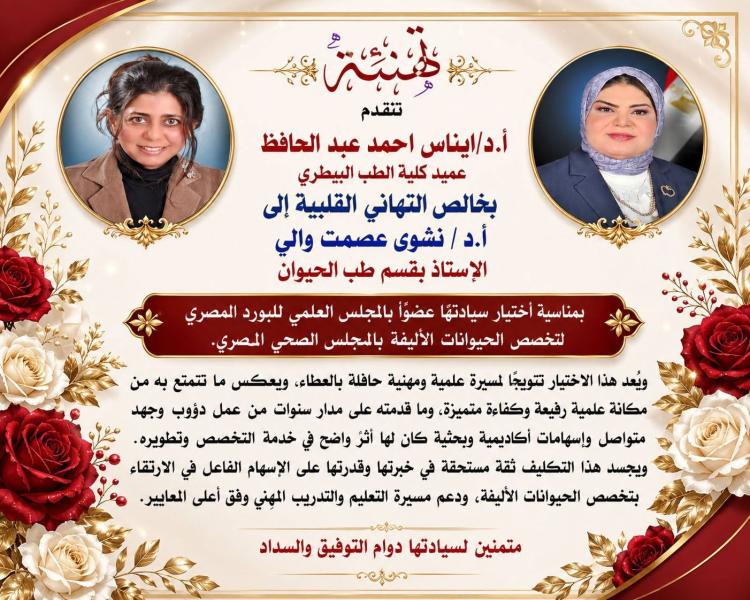
Dr. Enas Ahmed Abdel-Hafez, Dean of the Faculty and Conference President, welcomed the attendees, confirming that the theme embodies a forward-looking vision for transitioning to a comprehensive care system. She noted that this concept aligns with the Egyptian state's vision for building a more secure and healthy future.
Dr. Sary Khalil Abdel-Ghaffar, Dean of the Faculty of Veterinary Medicine at Badr University and Conference Co-President, affirmed that the conference is being held for the second consecutive year in partnership between the two universities. He expressed his sincere gratitude to both university administrations for their continued support.
Dr. Madiha Hosny Darwish, Conference Rapporteur, expressed her appreciation for the substantial support from both universities. She clarified that the conference highlights the pivotal role of veterinary medicine in supporting sustainable development goals and Egypt Vision 2030.
The opening session featured the screening of a documentary film entitled "Dr. Ahmed El-Menshawy: Healer of Hearts," which reviewed his contributions to supporting the faculty, developing its infrastructure, and backing young researchers.
The session concluded with the exchange of commemorative shields among university leaders and the syndicate. The faculty presented shields to Drs. El-Menshawy and Kamal, while the two university presidents presented a shield to Dr. Magdy Hassan, President of the General Syndicate.
The first day's program included a lecture by Dr. Magdy Hassan entitled "Veterinary Medicine Between Present and Future: A Vision Towards Excellence." It also included a lecture by Dr. Ashraf Abdel-Malek on "One Health" and food safety.

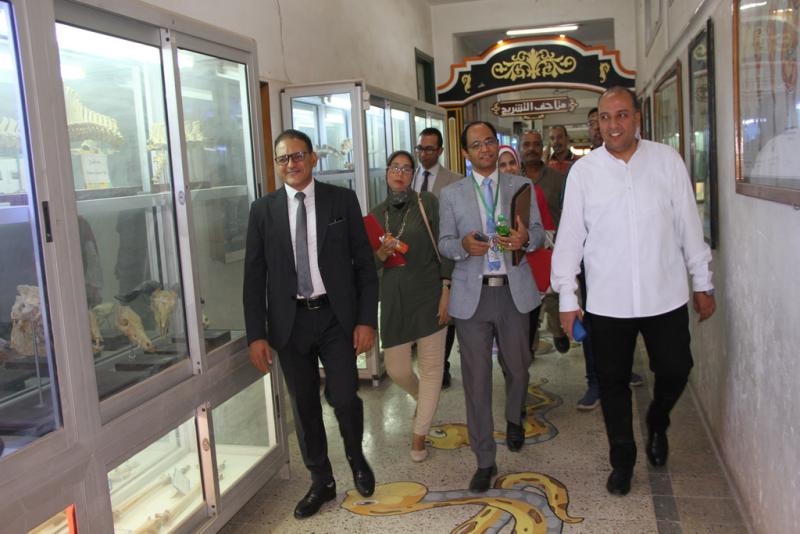
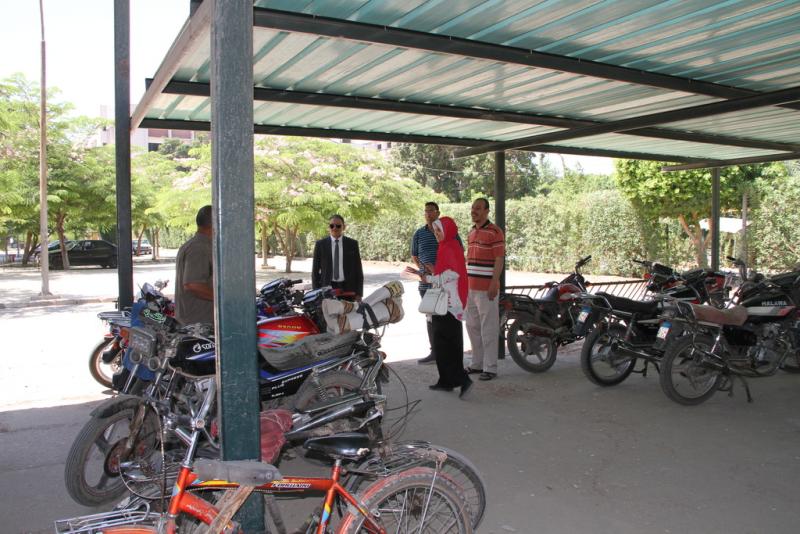
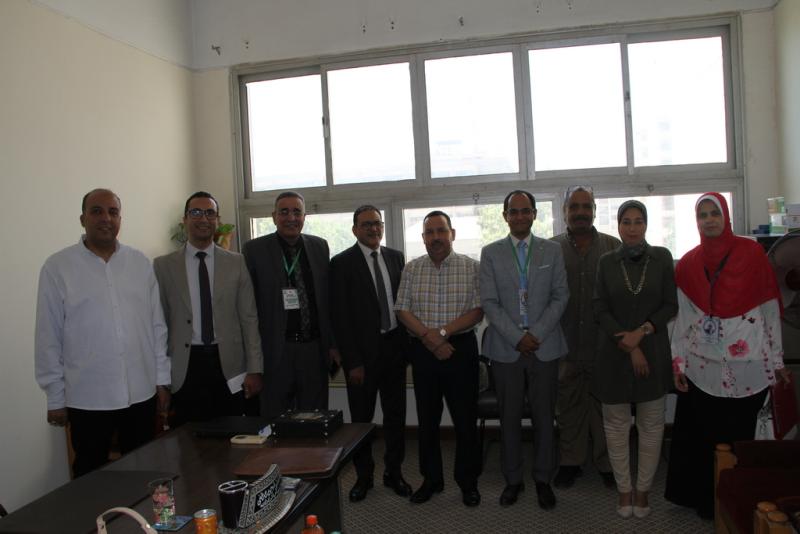
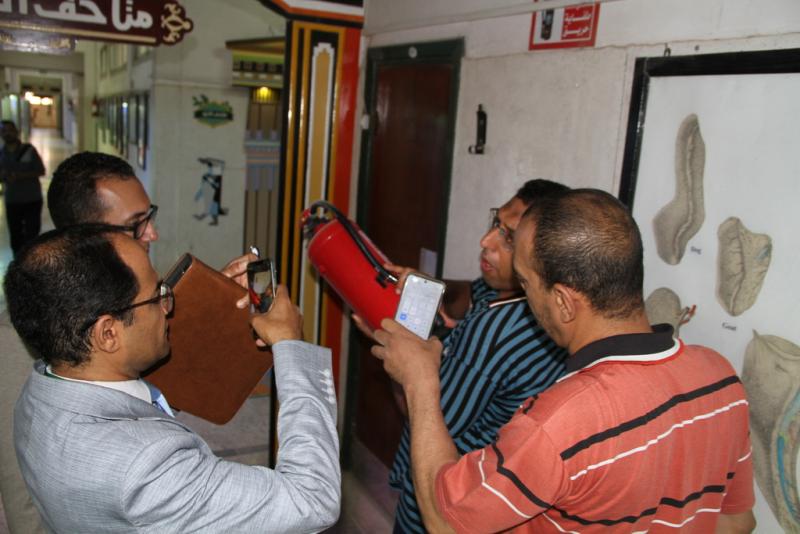
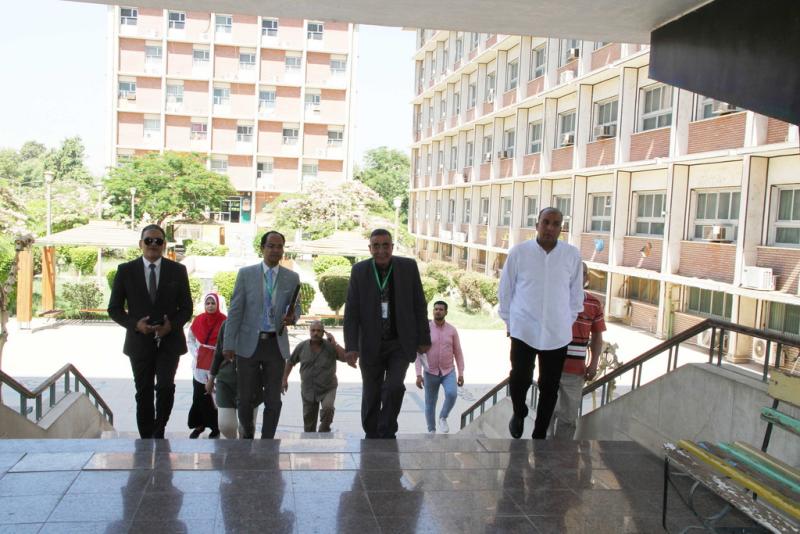
Assiut University continues to promote a culture of sustainability through its periodic tours to monitor the implementation of environmental practices in its faculties and institutes.

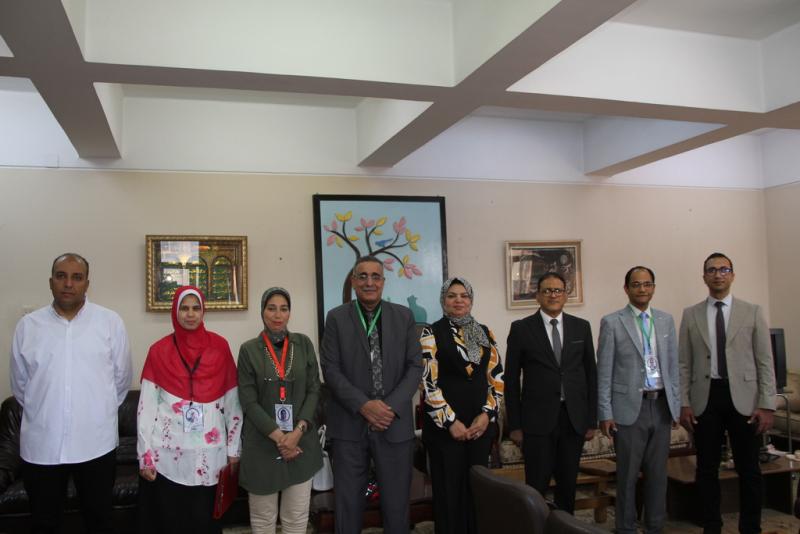
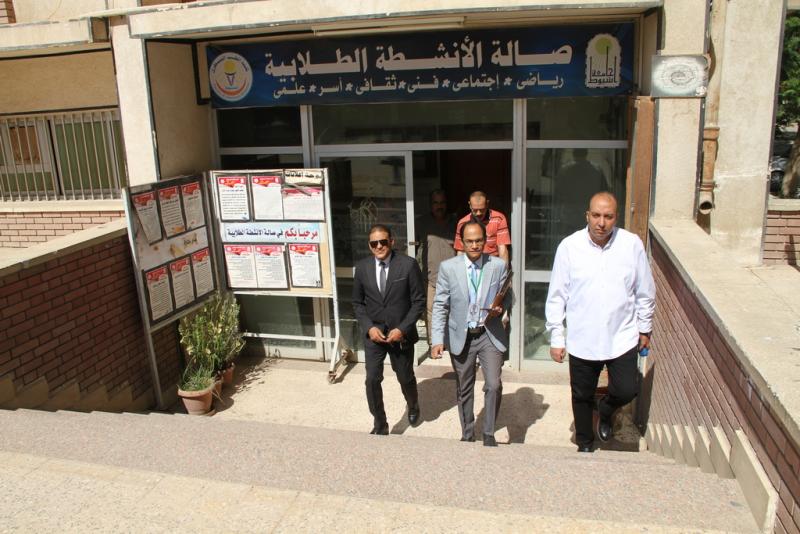
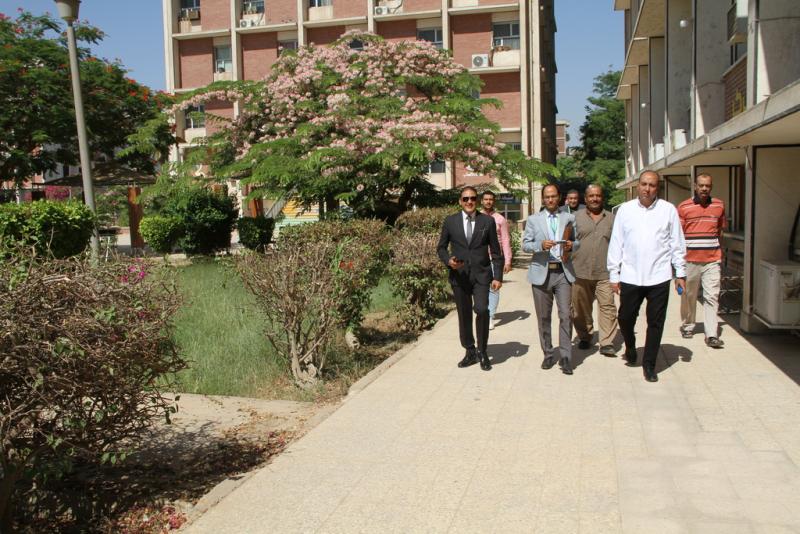
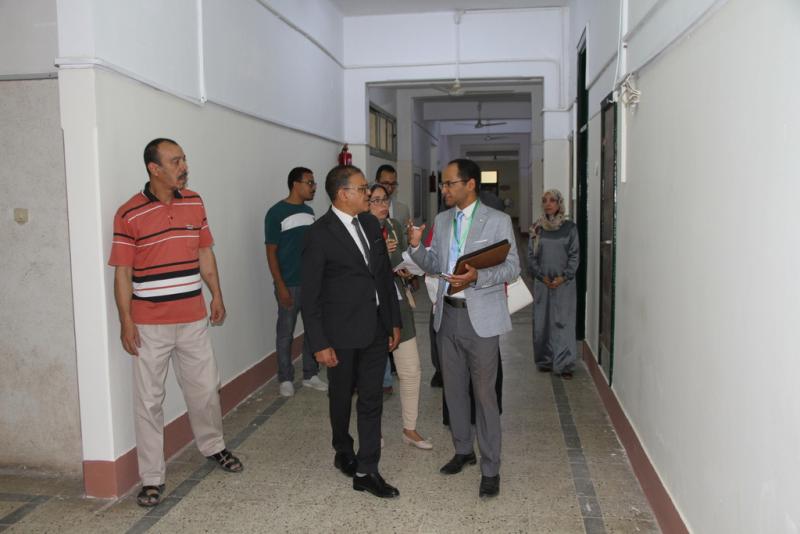
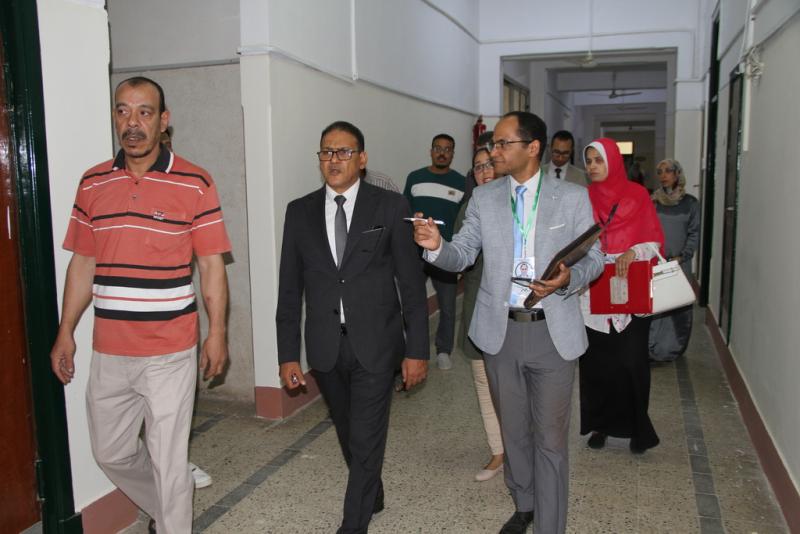
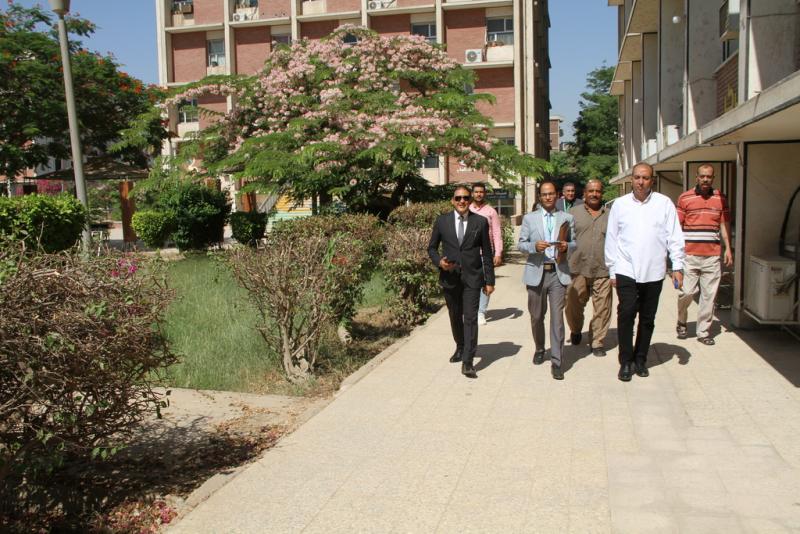
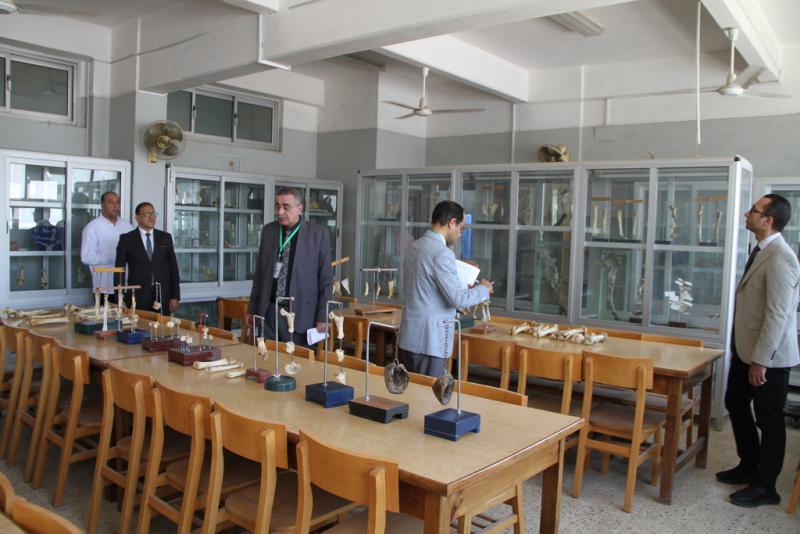
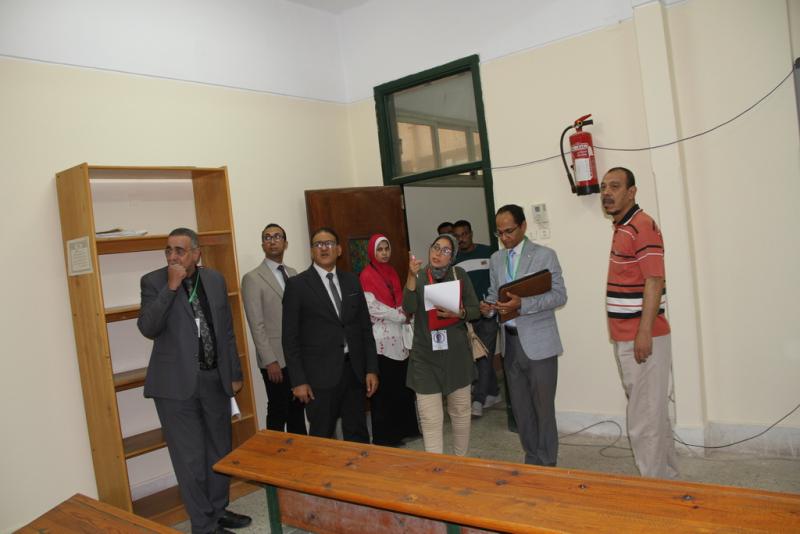
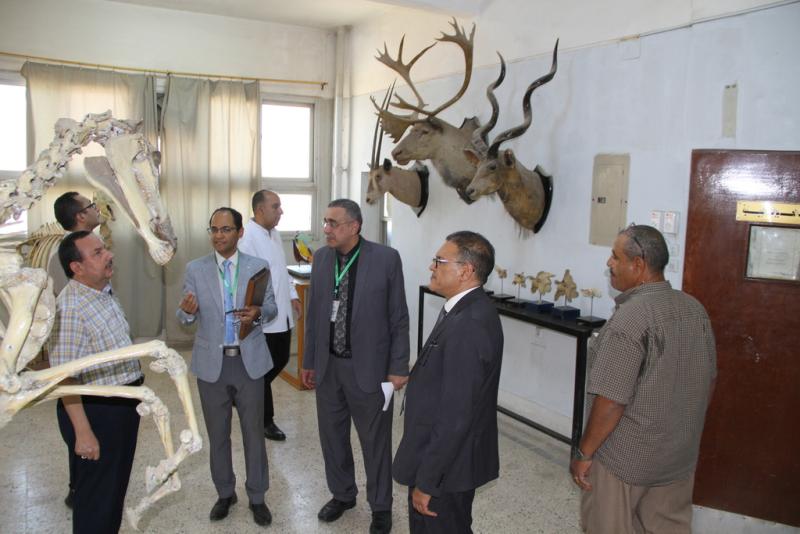
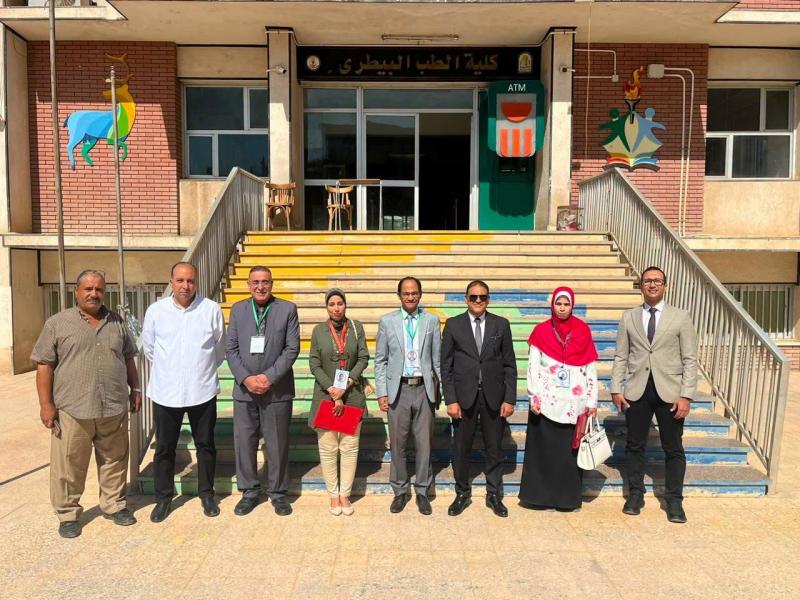
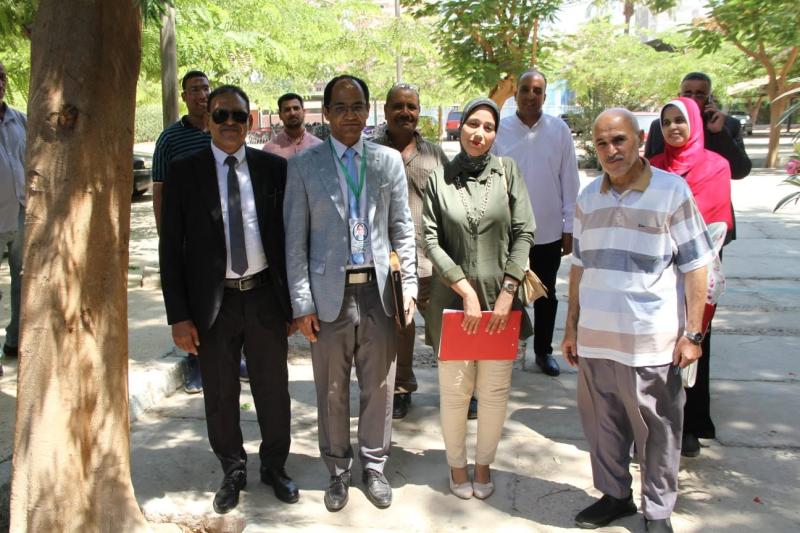
استقبلت كلية الطب البيطري أعضاء لجنة الزيارة الميدانية حيث كان فى استقبالها الاستاذ الدكتور / إيناس احمد عبد الحافظ، عميد كلية الطب البيطري، والدكتورة مديحة درويش، العميد السابق لكلية الطب البيطري ةالاستاذ الدكتور / محمود رشدى وكيل الكلية لشئون خدمة المجتمع وتنمية البيئة والاستاذ محمود منير امين الكلية

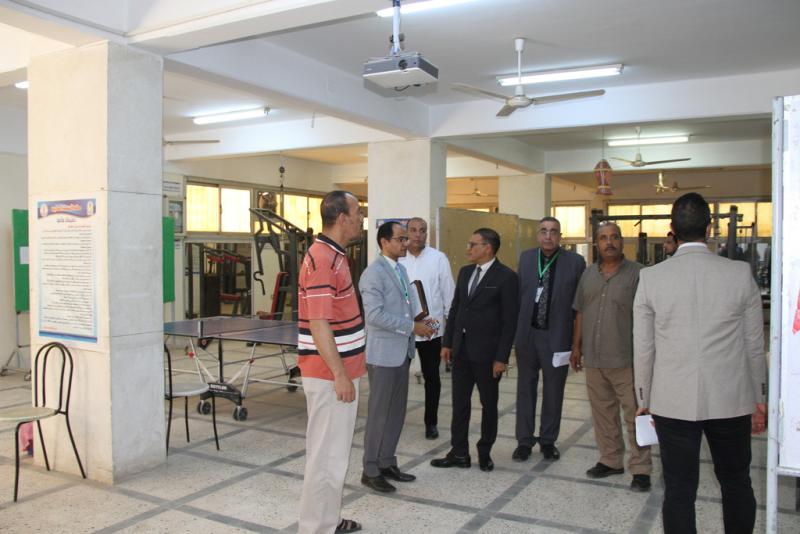
حيث استهدفت الزيارات متابعة تطبيق الممارسات البيئية والاستدامة داخل القاعات الدراسية، والمكاتب الإدارية، والكافتيريات، ودورات المياه، والمخازن، إلى جانب رصد مستوى العناية بالمسطحات الخضراء، ومؤشرات النقل، وآليات فرز المخلفات وإعادة تدويرها، بما يدعم توجه الجامعة نحو توفير بيئة جامعية مستدامة.

وابرز النقاط الايجابية من هذه الزيارت :- 

تعزيز الالتزام المؤسسي بمعايير الاستدامة في إطار استراتيجيتها الشاملة لترسيخ ثقافة الاستدامة البيئية، اختتمت جامعة أسيوط سلسلة جولاتها الميدانية الدورية لشهر يوليو (والتي استمرت في الفترة من 12 إلى 15 يوليو). وتستهدف هذه الجولات تقييم ومتابعة مدى تطبيق الممارسات البيئية الرشيدة في كافة الكليات والمعاهد التابعة لها. تأتي هذه الجهود برعاية كريمة من الدكتور أحمد المنشاوي، رئيس الجامعة، وبإشراف مباشر من الدكتور محمد أحمد عدوي، نائب رئيس الجامعة لشؤون خدمة المجتمع وتنمية البيئة، وبمتابعة ميدانية من الدكتور محمد مصطفى حمد، المنسق العام للجنة الممارسات البيئية والاستدامة.

الرؤية القيادية ودعم التنمية المستدامة من جانبه، أكد الدكتور أحمد المنشاوي على أن الجامعة تتحرك وفق رؤية استراتيجية واضحة تهدف إلى دمج مفاهيم الاستدامة في المنظومة التعليمية والإدارية. وأوضح أن هذه المبادرات لا تقتصر على ترشيد استهلاك الموارد والحد من الهدر فحسب، بل تمتد لتشمل الارتقاء الشامل بجودة البيئة التعليمية، ودعم توجهات الدولة المصرية نحو تحقيق أهداف التنمية المستدامة الشاملة؛ معتبراً أن الجولات الميدانية هي أداة رقابية وتوجيهية أساسية لقياس الأداء وتحفيز التطوير المستمر.

الأطر التنفيذية ومؤشرات الوعي البيئي وعلى صعيد الآليات التنفيذية، أشار الدكتور محمد عدوي إلى أن عمل اللجنة يرتكز على محاور رئيسية تشمل: مراقبة الامتثال للمعايير البيئية، والتحقق من تطبيق اشتراطات السلامة والصحة المهنية، وصون البنية التحتية لضمان بيئة عمل وتعلم آمنة ومستدامة. كما أشاد بحالة التفاعل الإيجابي والتعاون الملموس الذي أبدته القطاعات المختلفة أثناء الزيارات، وهو ما يُعد مؤشراً قوياً على تنامي الوعي المؤسسي والتزام منسوبي الجامعة بالتحول نحو الحوكمة البيئية.

1
Subscribe to