


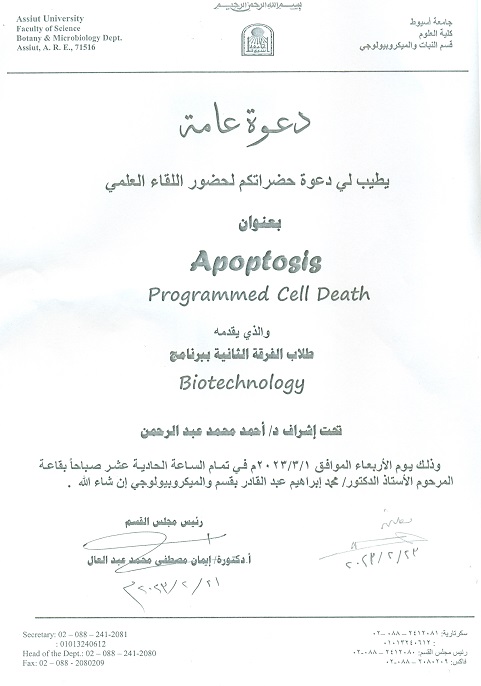


Condolences
Announcement

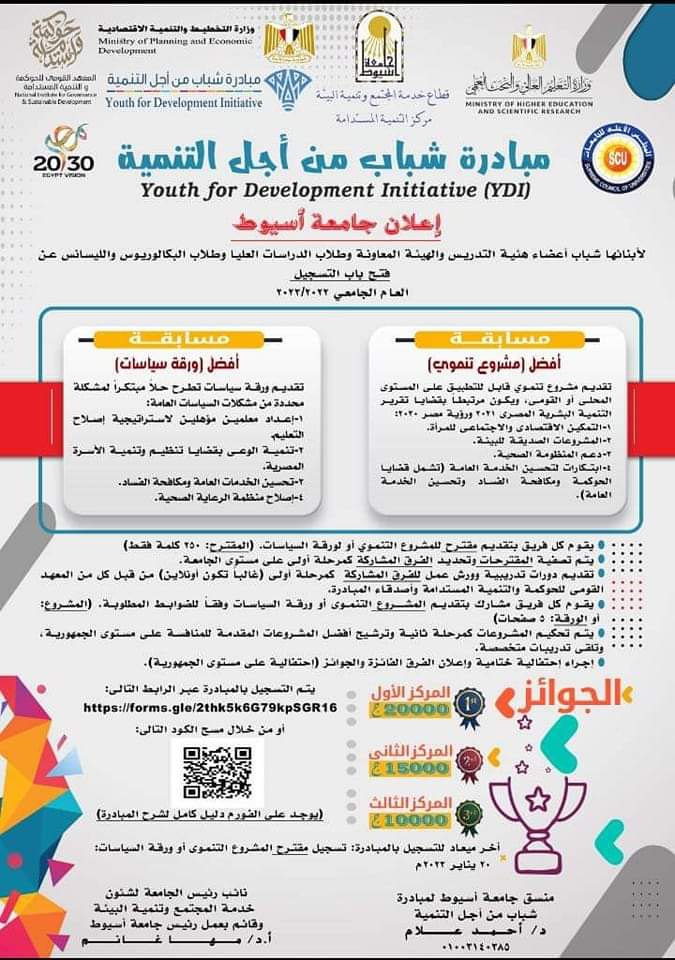
Announcement

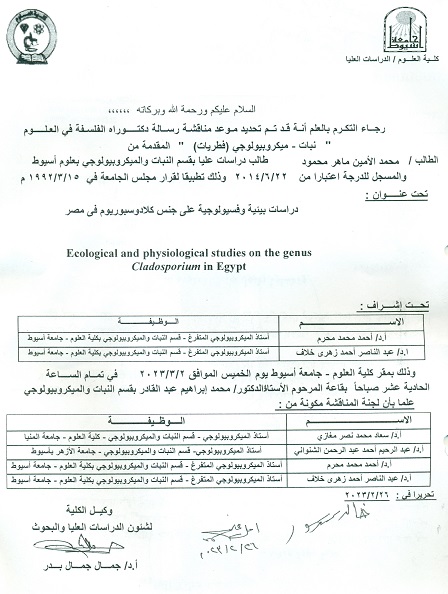
Condolences


Condolences

Palladium nanocrystals-embedded covalent organic framework as an efficient catalyst for Heck cross-coupling reaction
Research Abstract
Nanoparticles, such as noble metal nanoparticles and covalent organic frameworks (COFs), advance heterogeneous catalysis. Three COFs were synthesized via the solvothermal method using tricarboxylic acids (tricarboxylic benzene (2,4,6-tri-p-carboxyphenylpyridine (H3L2), 4,4′,4''-tri carboxyl triphenylamine (H3L1), and trimesic acid (H3BTC)) and 1,3,5-triazine-2,4,6-triamine moieties. The synthesized COFs were potentially used as supports for the in-situ growth of palladium nanocrystals (Pd NCs), offering a particle size of 1–5 nm. X-ray diffraction (XRD), Fourier transforms infrared (FT-IR), transmission electron microscopy (TEM), high-resolution TEM (HR-TEM), nitrogen adsorption-desorption isotherms, thermogravimetric analysis (TGA), and X-ray photoelectron spectroscopy (XPS) characterized the materials. Using Heck cross-coupling reaction, Pd NCs@COFs were used as catalysts to synthesize different organic molecules via carbon-carbon (C–C) formation. They exhibit complete conversion (100%) for vinyl derivatives and aryl halides (Bromo- and Chloro-derivatives) with good stability. Pd NCs@COFs maintain high catalytic activity over four consecutive cycles.
Research Date
Research Department
Research Journal
Microporous and Mesoporous Materials
Research Member
Research Pages
111961
Research Publisher
Elsevier
Research Vol
339
Research Year
2022
ZIF-67 and Cobalt-based@heteroatom–doped carbon nanomaterials for hydrogen production and dyes removal via adsorption and catalytic degradation
Research Abstract
Metal-organic frameworks (MOFs) are promising catalysts for producing clean energy and environmental-based applications. This paper reported one-pot encapsulation of guest molecules, e.g., thiourea (TU) and D-Glucose-6-phosphate disodium salt dihydrate (G6P-Na2), into zeolitic imidazolate frameworks (ZIF-67), denoted as S@ZIF-67 and P@ZIF-67, respectively. The organic guest molecules offered the synthesis of cobalt-based materials (e.g., Co3O4, CoP, and CoS), embedded heteroatoms (P, N, and S) via carbonization. The materials were tested for hydrogen generation via sodium borohydride (NaBH4) hydrolysis. ZIF-67, S@ZIF-67, and P@ZIF-67 displayed maximum hydrogen generation rates (HGRmax) of 27,273, 24,000, and 60,000 mLH2 gcat−1 min−1, respectively, using 20 mg of the catalyst and 0.2 wt.% of NaBH4 at 60 °C. The materials were also investigated as potential catalysts for the adsorption and catalytic degradation of water pollutants such as organic dyes, e.g., methyl orange (MO) and Congo red (CR), with degradation efficiency of 100% and 99% in a short time (30–60 min).
Research Date
Research Department
Research Journal
Journal of Environmental Chemical Engineering
Research Member
Research Publisher
ELSEVER
Research Rank
Q1
Research Vol
10
Research Website
https://www.sciencedirect.com/science/article/pii/S2213343722017213
Research Year
2022
Bayes Inference for the Weibull-Geometric Distribution based on Progressive Hybrid Censored Data
Research Abstract
: The challenge of estimating the parameters of the Weibull-Geometric distribution using progressively type-I hybrid censored data is addressed in this study. For this, the maximum likelihood and Bayes methods of estimation are applied. The Bayes estimates are calculated using the Markov Chain Monte Carlo (MCMC) method. Through a Monte Carlo simulation investigation, the Bayes estimates of the parameters under two alternative loss functions are investigated and compared to their corresponding maximum likelihood estimates. For illustration, a practical set of data is used.
Research Date
Research Department
Research Journal
Inf. Sci. Lett.
Research Member
Research Pages
1351-1357
Research Publisher
Inf. Sci. Lett.
Research Vol
11
Research Year
2022
Apocynin abrogates methotrexate-induced nephrotoxicity: role of TLR4/NF-κB-p65/p38-MAPK, IL-6/STAT-3, PPAR-γ, and SIRT1/FOXO3 signaling pathways
Research Abstract
The present study was designed to evaluate the potential renoprotective impacts of apocynin (APC) against nephrotoxicity induced by methotrexate (MTX) administration. To fulfill this aim, rats were allocated into four groups: control; APC (100 mg/kg/day; orally); MTX (20 mg/kg; single intraperitoneal dose at the end of the 5th day of the experiment); and APC +MTX (APC was given orally for 5 days before and 5 days after induction of renal toxicity by MTX). On the 11th day, samples were collected to estimate kidney function biomarkers, oxidative stress, pro-inflammatory cytokines, and other molecular targets. Compared to the MTX control group, treatment with APC significantly decreased urea, creatinine, and KIM-1 levels and improved kidney histological alterations. Furthermore, APC restored oxidant/antioxidant balance, as evidenced by a remarkable alleviation of MDA, GSH, SOD, and MPO levels. Additionally, the iNOS, NO, p-NF-κB-p65, Ace-NF-κB-p65, TLR4, p-p38-MAPK, p-JAK1, and p-STAT-3 expressions were reduced, while the IκBα, PPAR-γ, SIRT1, and FOXO3 expressions were significantly increased. In NRK-52E cells, MTX-induced cytotoxicity was protected by APC in a concentration-dependent manner. In addition, increased expression of p-STAT-3 and p-JAK1/2 levels were reduced in MTX-treated NRK-52E cells by APC. The in vitro experiments revealed that APC-protected MTX-mediated renal tubular epithelial cells were damaged by inhibiting the JAK/STAT3 pathway. Besides, our in vivo and in vitro results were confirmed by predicting computational pharmacology results using molecular docking and network pharmacology analysis. In conclusion, our findings proved that APC could be a good candidate for MTX-induced renal damage due to its strong antioxidative and anti-inflammatory bioactivities.
Research Date
Research Department
Research Journal
Archives of Pharmacal Research
Research Member
Research Publisher
Springer
Research Year
2023